You’ve brought home a pup with a big future. Maybe you see a marsh dog that’ll sit steady in a blind, or a bird dog that’ll lock up on point and make your pulse jump. Before the first retrieve, first track, or first season opener, there’s one job whose importance is often underestimated. Pick a name you can live with in the yard, in the truck, and across a windy field.
A hunting dog’s name isn’t just decoration. It becomes part of your handling system. You’ll use it to get attention, interrupt bad decisions, praise good work, and call your dog back when the situation matters. That means good hunting dog names need to sound clean, carry well, and fit the kind of dog you’re raising.
That’s also why this choice shouldn’t be treated like filling out paperwork. The right name helps you build a lasting bond with your dog, because it becomes one of the first signals your pup learns to trust. The wrong one can feel awkward every single day, even if it sounded clever when the pup was eight weeks old.
Below are ten names that work effectively. Some are classic. Some are sharper and more modern. All of them can suit a serious hunting partner if the name matches the dog, your style, and the kind of work you expect in the field.
1. Hunter
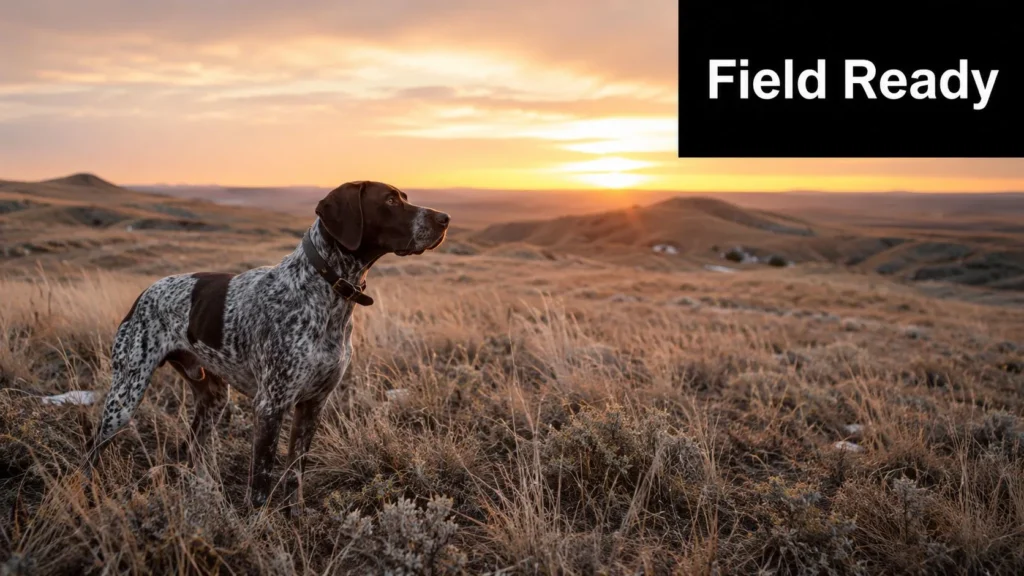
You are in cattails at first light, the dog starts to drift, and you need a name that comes out sharp on the first call. Hunter does that job well. It is direct, familiar, and hard to misread.
That plainness is the selling point and the drawback. Hunter fits almost any working dog, from a duck blind Lab to an upland pointer to a versatile farm dog that gets used all season. It carries the right tone for a serious gun dog, but it is common enough that two dogs may answer if you hunt with a regular group.
Why it works in real training
Hunter has strong, clean consonants. That matters more than people think. In yard work and field work, names that sound crisp are easier to repeat the same way every time, and consistency is what helps a pup learn fast.
The name also pairs well with standard obedience and handling commands. “Hunter, here,” “Hunter, heel,” and “Hunter, sit” all have a clear rhythm. You do need to stay disciplined with it, though. A literal name can tempt owners to use it too casually, and that muddies the difference between a social cue and a working cue.
I usually recommend Hunter for owners who want function first and style second.
- Best fit: Dogs expected to hunt often and live as true working partners
- Watch for: Name confusion in camps, clubs, or hunting groups where another dog may already be called Hunter
- Smart adjustment: Use Hunter as the field name, then keep your house talk shorter and lighter
- Next step: If you are still choosing the right dog for your home and hunting plans, start with training advice for your new hunting partner
Hunter also has the same plainspoken appeal as a high-performance 4-16×42 scope. It is built around purpose, and that tends to age better than anything clever.
2. Duke
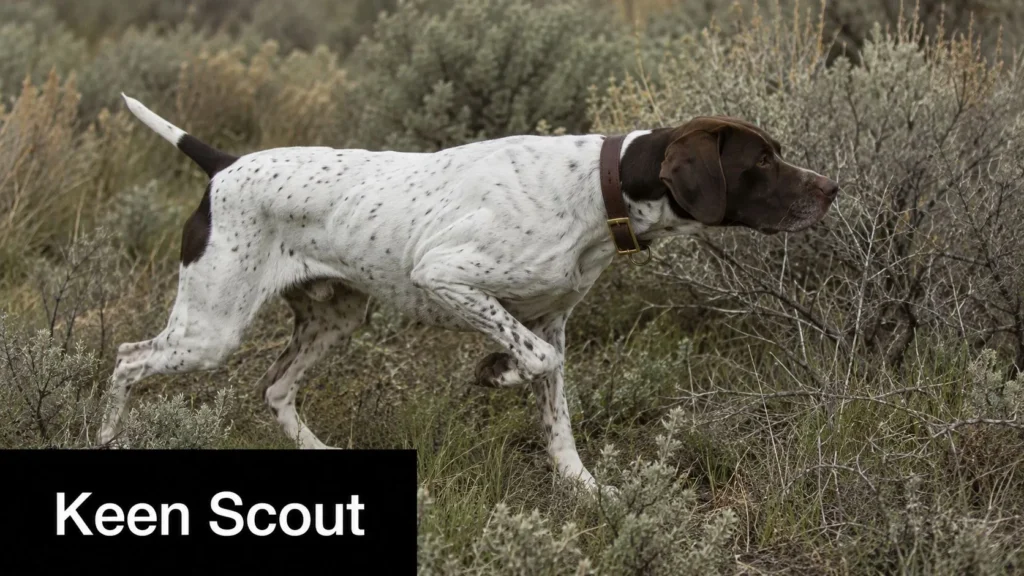
A dog breaks from the truck, checks in without fuss, and settles beside you like he has done the job for years. Duke fits that kind of dog. It carries weight, and that matters more than style points once you start using the name every day in the yard, the blind, and the field.
Duke is also familiar without sounding worn out. You hear it around bird camps and retriever groups because it feels steady and easy to call. That familiarity is both the advantage and the trade-off. Handlers recognize it fast, but if you run with the same crew every weekend, there is a fair chance another dog already owns it.
Best for a dog with steadiness
Duke suits dogs that show composure early. A retriever that marks cleanly, waits without a lot of extra chatter, or a pointer that comes alive around birds but stays manageable in hand can wear this name well.
The sound helps in training. “Duke, sit,” “Duke, kennel,” and “Duke, here” come out clean, with no extra syllables to drag the cue. That is the practical side of naming that gets overlooked. A good hunting dog name should support repetition and timing, not fight them. If you are still building those basics, start with dog training methods that build reliable obedience.
I like Duke for handlers who want a name that carries from home to hunt camp without needing a different persona for each setting.
- Best fit: Retrievers, pointers, and versatile dogs with a calm, self-possessed style
- Watch for: Common-name overlap in clubs, hunt tests, and regular hunting groups
- Training upside: Short, clear sound that pairs well with obedience and kennel commands
- Possible mismatch: Very goofy, high-chaos dogs can grow into it, but the name may feel a step more formal than the dog
If your dog also needs to fit family life as well as field life, it helps to compare temperament with dog breeds that work well around families. Duke is one of the few names that can sound polished in the house and still feel right at first light in the field.
3. Ranger
Ranger sounds like distance. It suggests a dog that can cover ground, hunt with initiative, and still stay connected to the handler. If you’re raising a pup that naturally pushes out, checks objectives, and hunts with reach, this name has the right shape to it.
This is a very good choice for bird dogs that hunt big country. Open prairie, cut grain, big CRP fields, western draws, and long edges all suit the feel of Ranger. It gives the dog a little edge without tipping into cartoon toughness.
Best on dogs with range
Ranger works on a Brittany, a German Shorthaired Pointer, or a setter that likes to move and search. It also fits flushing dogs that quarter hard and cover lots of real estate, though the feel of the name leans more toward dogs that hunt forward.
What I like about Ranger is that it has authority without sounding harsh. You can call it sharply, or you can say it in a softer tone and still be understood.
- Strong point: It sounds good at distance.
- Potential drawback: Three-dimensional dogs need handling discipline. A big name can tempt owners to tolerate too much independence.
- Field use: “Ranger, here” and “Ranger, easy” both come off cleanly.
If you choose this one, stay honest about the dog in front of you. A close-working retriever that never leaves your boot tops may wear Ranger awkwardly. The best names reinforce the dog’s natural style instead of fighting it.
For handlers building steadiness and recall from the start, dog training basics that emphasize consistency pair well with a name like Ranger. It gives you a solid platform, but your timing and standards still do the core work.
4. Beau
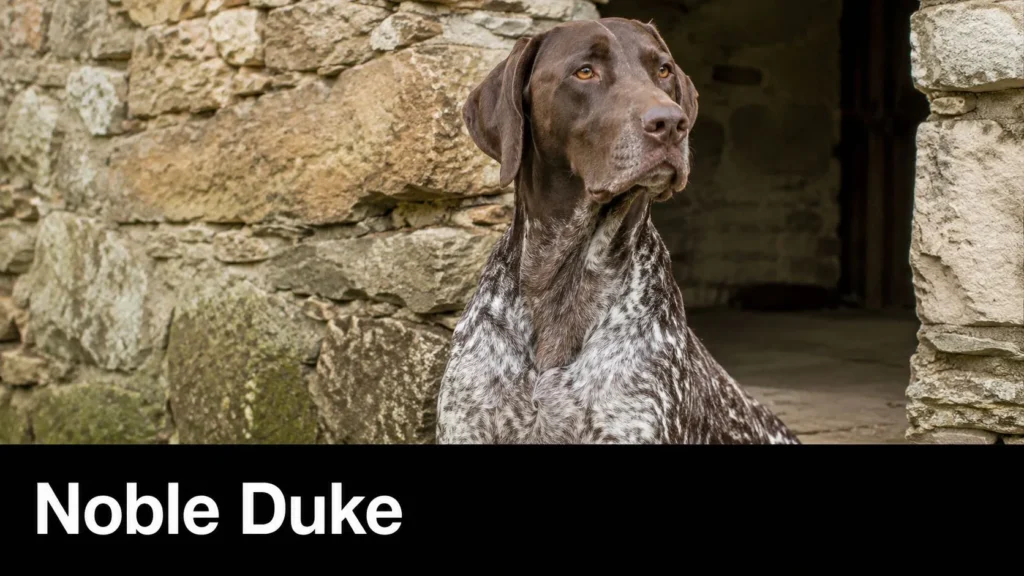
Beau is a different kind of hunting dog name. It isn’t about speed or toughness first. It’s about style. Some dogs hunt with a kind of polish that deserves a name with a little class to it, and Beau lands there nicely.
This one suits setters, pointers, and well-bred retrievers that have both field talent and presence. If your dog turns heads at the club, in the truck bed, or standing on a tailgate after a long morning, Beau has the right feel.
Where Beau shines
Beau works best when the dog has some elegance to go with drive. It sounds right on a dog with a handsome head, smooth movement, and the kind of manners that make people notice before they even see the dog work.
That said, don’t mistake refined for delicate. A dog named Beau still needs grit. The point of the name is that the dog can do hard work and look good doing it.
Some of the best hunting dogs carry themselves like athletes, not brawlers. Beau fits that kind of dog.
The risk with Beau is owner mismatch, not dog mismatch. If you like rough-edged names, this one may always feel a little too polished on your tongue. But for hunters who appreciate form and function together, it’s one of the strongest picks in this whole list.
- Best fit: Pointers, setters, and stylish retrievers.
- Works well for: Dogs with strong natural manners or a refined look.
- Not ideal if: You want a hard-driving, blunt-sounding call name.
Beau is a name you grow into. A very young pup might not look like one yet. A finished dog often does.
5. Copper
Copper is warm, traditional, and easy to like. It carries some color association, sure, but the appeal goes beyond coat shade. This is one of those names that feels at home in a duck blind, on a rabbit trail, or riding a fence line.
It fits red and reddish-brown dogs naturally, including Irish Setters, Redbone types, and many mixed hunting dogs with warm coats. But even beyond color, Copper has an approachable sound that balances work and personality.
A practical old-school name
Not every good hunting dog name needs to sound hard. Copper proves that. It’s friendly without being soft, and strong without trying too hard.
That makes it useful for the dog that hunts seriously but lives close to the family. A dog named Copper can retrieve a mallard at daylight and still be the one kids look for that evening.
There’s another advantage. It doesn’t sound like many common obedience cues. That lowers the chance of accidental confusion if your timing is good and your command system stays consistent.
- Best fit: Red-coated dogs or dogs with a steady, approachable nature.
- Why owners keep it: It ages well. Copper sounds good on a pup and on an old veteran.
- Field feel: Better for the dependable worker than the flashy speedster.
If your dog is bold, stylish, and a little dramatic, another name on this list may fit better. But if you want a name with roots, warmth, and zero gimmick, Copper is hard to beat.
6. Scout
Scout is a sharp hunting name, but it comes with a real caution. As a concept, it fits perfectly. A dog that finds birds, locates cover, and hunts with awareness absolutely feels like a Scout. In actual training, though, you need to think harder before settling on it.
That’s because phonetic overlap matters more than many new owners expect. A good name should be easy to separate from commands, especially once excitement, wind, and distance enter the picture.
Good idea, but test it first
A naming gap shows up here. One underserved angle in hunting dog naming is command-name collision analysis. A Reddit naming discussion points to a broader problem by highlighting that 72% of new hunting dog owners report naming conflicts, with names such as Scout or Boots interfering with sit and stay commands (discussion around hunting dog naming conflicts).
That doesn’t mean Scout is bad. It means Scout needs a test drive.
Say these out loud before you commit:
- Recall sequence: “Scout, here.”
- Stop sequence: “Scout, sit.”
- Praise sequence: “Good Scout.”
- Correction tone: “Scout, no.”
If those all come out clearly in your voice, you’re probably fine. If “Scout, sit” starts to blur when you say it fast, pick another name. This is one of those practical trade-offs that matters more in the field than on paper.
Don’t choose a name just because it sounds right in your head. Choose one that stays distinct when you’re breathing hard and your dog is running hot.
Scout is still a very good name for a dog with natural search instincts. Just make sure your handling language leaves room for it.
7. Trigger
Trigger has speed in it. It sounds quick, responsive, and a little intense. For the right dog, that’s exactly the point. This name suits a hunting partner that reacts fast, turns fast, and seems wired to act the moment a situation changes.
It tends to fit upland dogs, small-game dogs, and any dog with a lot of snap in its movement. If the pup is always first out of the kennel, first to the bumper, and first to notice motion, Trigger might fit naturally.
Fast names can shape expectations
At this stage, owners need some honesty. A name like Trigger can subtly influence how you handle the dog. You may start expecting speed all the time, even when the dog needs patience, steadiness, or a slower approach to cover.
That doesn’t make the name a mistake. It just means your training has to balance the energy the name suggests. Trigger should still learn to wait on the release, hold the line, and settle when nothing’s happening.
- Best fit: Fast-reacting, high-drive dogs.
- Risk: Owners may reward frantic behavior because it “matches” the name.
- Better with: A calm handling style that gives the dog contrast.
I like Trigger most on dogs that are naturally quick but mentally biddable. If the dog is already hectic, this name can amplify the story you tell yourself about that dog. Sometimes a steadier name helps the handler as much as it helps the dog.
8. Blaze
Blaze is one of the better modern hunting dog names because it can point to two things at once. It can describe obvious markings, especially a bright facial blaze, and it can describe work style. A dog that attacks cover, drives hard, and hunts hot can wear Blaze well.
This one has a younger, faster feel than names like Duke or Copper. It’s a good fit for handlers who like a dog with spark and don’t mind a little attitude, provided the dog is still manageable.
Best on visible, energetic dogs
Blaze is easy to remember, easy to shout, and easy for other people to remember after one introduction. That matters if you train with groups, travel, or hunt around buddies who’ll be calling your dog by name now and then.
It also works well on dogs with obvious white or contrasting markings. In those cases, the name feels earned rather than assigned.
A vivid name works best when the dog gives you a vivid reason to use it.
The trade-off is obvious. Blaze can sound like a lot of dog. If you’ve got a calm, methodical retriever that excels because nothing rattles it, the name may feel faster than the dog itself. But on a competitive field-trial type, a hard-charging pointer, or a young dog with visible fire, Blaze has real appeal.
- Best fit: Marked dogs, athletic dogs, and high-energy workers.
- Less ideal for: Quiet, low-drama temperaments.
- Training note: Pair the name with calm praise, not constant hype.
That combination matters. A fired-up dog usually doesn’t need more ignition. It needs control.
9. Bullet
Bullet is a bold name, and it only works when the dog can carry it. If the pup is explosive off the line, rips through cover, and closes on retrieves with obvious urgency, Bullet makes sense. If not, it can feel like a costume.
This is one of the more forceful options on the list. It suggests speed, precision, and directness. Handlers who run hard-charging bird dogs often like names in this lane because they match the dog’s style and the pace of the work.
Keep the dog under the name
Here’s the practical issue. A name like Bullet can tempt the owner to celebrate raw speed before control is in place. That’s a common mistake with young hunting dogs. Fast is useful only when the dog stays connected, hunts for you, and can take direction cleanly.
Bullet is at its best on a dog that’s both quick and trainable. A Brittany with fast feet and a good brain. A pointer that runs, but doesn’t blow through birds. A retriever that attacks marks without coming unraveled.
- Best fit: High-energy dogs with real precision.
- Main caution: Don’t let the name become the training plan.
- Good field use: Short, crisp calls and upbeat praise.
I’d avoid Bullet if your own handling style tends toward too much excitement. In that setup, dog and handler can feed off each other in the wrong way. If you’re calm and consistent, the name can be a strong fit for a dynamic dog.
10. Blue
Blue is short, clean, and useful. That’s a strong combination in a hunting dog name. It doesn’t try too hard, and because it’s only one syllable, it comes out quickly in real field use.
This one naturally fits Weimaraners, blue-coated heelers, and any gray or steel-colored dog. But the reason Blue lasts isn’t just color. It’s because the name is easy to say in any tone, from quiet praise to a sharper recall.
Why simple still wins
Among all the names on this list, Blue may be the easiest to live with every day. It works in the yard, in the house, in the truck, and across distance. It also tends to stay distinct from many common commands, which is part of what makes simple names so dependable.
There’s a cultural side to it too. Hunting traditions have always made room for plain, descriptive names. Not every dog needs a title. Some of the best ones get a name that fits the coat, the eye, or the feel of the dog and then go on to earn the rest.
- Best fit: Gray, blue, or silver-coated dogs.
- Strength: Fast, uncomplicated delivery.
- Possible drawback: It may feel too plain if you want something more individual.
That’s the trade-off. Blue won’t impress anyone with originality. It will, however, hold up after years of use. And with dog names, durability counts for a lot.
Top 10 Hunting Dog Names Comparison
| Name | Tone / Connotation | Training / Calling Ease | Ideal Use Cases | Distinctiveness | Key Advantages |
|---|---|---|---|---|---|
| Hunter | Functional, traditional | Very easy (one syllable, crisp) | General hunting across breeds and work styles | Low (very common) | Clearly communicates role; simple for commands |
| Duke | Noble, formal | Easy (single syllable, strong finish) | Retrievers, show/competition, formal field settings | Medium (common in classics) | Projects confidence and pedigree; good in competitions |
| Ranger | Rugged, authoritative | Good (two syllables, commanding) | Wide-range hunters, long-distance trackers, guides | Medium | Conveys endurance, independence and territory coverage |
| Beau | Elegant, refined | Very easy (one syllable) | Show-quality pointers/setters, hunters valuing form | Medium | Sophisticated, multilingual-friendly; complements pedigrees |
| Copper | Warm, traditional | Good (two syllables) | Red/reddish-brown coated hounds and setters | Low–Medium (color-limited) | Visually descriptive and approachable; nostalgic appeal |
| Scout | Alert, functional | Very easy (one syllable, distinct) | Tracking, pointing, search-focused hunting dogs | Medium (popular modern choice) | Emphasizes detection and independence; versatile |
| Trigger | Action-oriented, edgy | Good (two syllables, energetic) | High-energy, quick-reaction breeds in fast-paced hunts | High (distinctive) | Memorable; signals speed and quick responsiveness |
| Blaze | Energetic, descriptive | Very easy (one syllable) | Marked or high-intensity hunting dogs, competitive work | Medium–High | Reflects visible markings or speed; dynamic and memorable |
| Bullet | Fast, powerful | Good (two syllables, sharp) | Competitive fast-working breeds and trials | High (distinctive but potentially controversial) | Conveys speed, precision and competitive edge |
| Blue | Simple, descriptive | Very easy (one syllable) | Gray/blue-coated breeds (Weimaraner, Heelers), ranch dogs | Medium (color-specific) | Clear visual association; easy to call and remember |
Making the Call for Your Final Choice
The best hunting dog names do more than sound good on a pedigree page or in a text thread with your buddies. They have to work when your dog is amped up, when the wind is wrong, when birds are moving, and when you need one clean response instead of three repeated calls. That’s where a name stops being decoration and starts becoming part of your system.
If you want the safest route, lean toward names that are short, easy to say, and clear from your usual commands. The practical value of that approach shows up in one of the few hard naming data points that connects to field use. The American Kennel Club says over 32% of flushing dogs receive names derived from hunting tools or actions, with Bolt and Arrow highlighted as functional names, and the same AKC naming roundup also notes a faster average recall response in field trials for those names than for non-hunting names (AKC list of hunting dog names). You don’t need to copy those exact names to learn from the pattern. Clear, active names tend to make practical sense.
Breed type also nudges naming style more than many owners realize. Pointing dogs account for 54% of the most popular hunting dog types, ahead of versatile dogs at 34%, retrievers at 19%, and spaniels at 10%, according to an Outdoor Life naming post built from outdoor-life survey context (Outdoor Life dog naming post). That helps explain why names tied to alertness, range, and drive keep showing up again and again. A lot of hunters are naming dogs for the work they expect those dogs to do.
There’s still room for personality. A dog can carry a classic like Duke, a literal choice like Hunter, or something colorful like Blaze and be named well. The key is fit. Fit with the dog, fit with your voice, and fit with the kind of hunting life you’re building.
If you’re stuck between two names, test both out loud in real sequences. Call them from across the yard. Pair them with sit, heel, here, kennel, and no. Use a normal tone, then a louder one. The awkward name usually exposes itself fast.
Choose the one you won’t get tired of saying. Choose the one your dog can hear clearly. Then start using it with consistency and purpose. That’s how a name becomes part of a real partnership, not just a label on paper.
If you enjoy practical, readable guides like this one, visit maxijournal.com for more approachable writing across pets, sports, health, science, technology, travel, entertainment, and beyond. It’s also a good place to explore fresh commentary or learn more about contributing your own work.
Discover more from Maxi Journal
Subscribe to get the latest posts sent to your email.