Navigating the world of cinema beyond the blockbuster circuit can be a challenge. Finding thoughtful, well-written independent film reviews often means sifting through countless sites, unsure of which voices to trust. This curated guide is designed to solve that problem, presenting a definitive roundup of the best platforms dedicated to indie film criticism. We’ve gathered the essential destinations for discovering your next favorite movie, from festival darlings to hidden gems.
This listicle cuts straight to the point. Instead of generic overviews, you will find a practical breakdown of what makes each source unique. We’ll explore established industry voices like IndieWire and Film Comment alongside passionate, niche publications such as Little White Lies and Film Threat. For each entry, you’ll get:
- A concise summary of the platform’s focus and style.
- Direct links to their review sections.
- Screenshots to give you a feel for the user experience.
Our goal is to equip you with a reliable toolkit for sourcing quality independent film reviews. Whether you’re a dedicated cinephile hunting for in-depth analysis or a casual viewer looking for a trustworthy recommendation, this resource will connect you with the critics and publications that champion the films made outside the studio system. We will also briefly cover how you can contribute your own reviews and what to look for in a great critique. Let’s explore the best places to find your next cinematic obsession.
1. Entertainment – Maxi Journal
For cinephiles seeking thoughtful criticism beyond the mainstream echo chamber, Maxi Journal’s Entertainment hub presents a compelling and curated destination. This section of the independent web magazine functions as a centralized collection of the outlet’s film and streaming reviews, feature pieces, and cultural commentary. Its primary strength lies in its distinctive editorial voice, offering a professional, curator-driven perspective that consistently highlights overlooked gems and situates new releases within broader societal conversations.
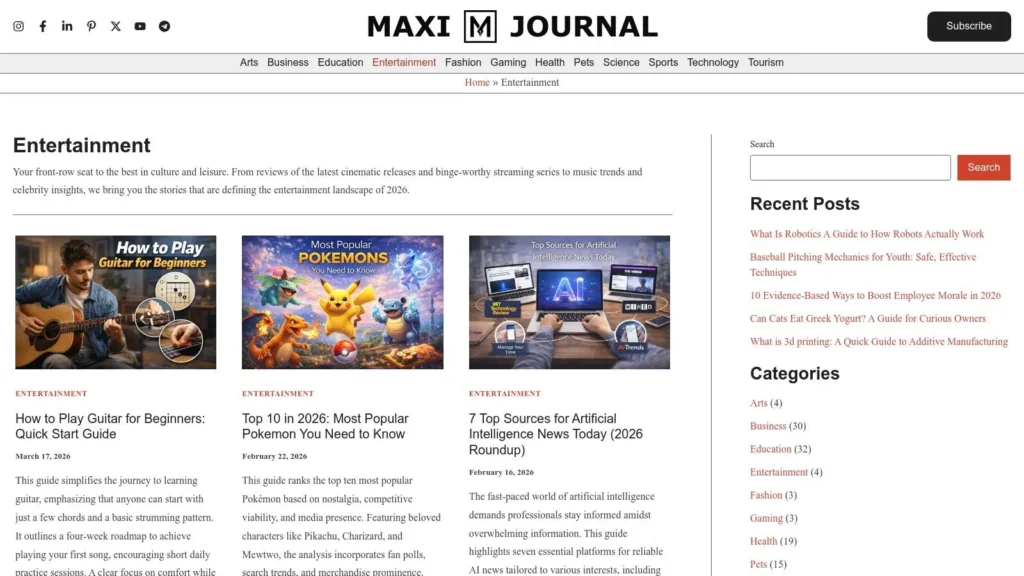
Unlike platforms dedicated solely to aggregation or user scores, Maxi Journal provides opinionated guidance for curious viewers who value depth over hype. The reviews are concise yet substantive, making it an excellent resource for discovering quality independent film reviews without sifting through endless promotional material. This approach is ideal for readers who want to understand not just if a film is good, but why it matters right now.
Key Strengths and Standout Features
Maxi Journal’s daily publishing schedule across multiple disciplines-from science and tech to arts and health-infuses its entertainment coverage with a unique, cross-disciplinary sensibility. This allows its writers to frame films within larger trends, connecting a movie’s themes to advancements in technology, shifts in social norms, or developments in the art world. This contextual depth is a significant differentiator from single-focus entertainment sites.
- Curated Discovery: The platform excels at surfacing new and indie releases that might otherwise be missed. The editorial team prioritizes substance and artistic merit, providing a reliable filter for quality.
- Contextual Analysis: Reviews often go beyond simple plot summaries or ratings. They explore how a film fits into cultural conversations, its director’s body of work, or the evolution of its genre.
- Independent Voice: As part of an independent publication, the entertainment section is free from the influence of major studios, resulting in authentic and direct criticism.
- Fresh Content Rhythm: The site’s daily publishing cadence ensures a steady stream of fresh reviews and timely commentary, keeping readers current with the most relevant releases.
Practical Tips for Readers and Writers
To get the most from the platform, use the /category/entertainment/ page as your primary landing spot. It aggregates all relevant content, making it easy to browse recent reviews and features. For those interested in contributing their own voice, the site has a clear pathway for submissions; you can find more information in their guide on how to publish articles online.
| Feature Analysis | User Benefit |
|---|---|
| Centralized Entertainment Hub | Eliminates the need to search multiple sections for reviews. |
| Cross-Disciplinary Framing | Provides a richer, more intellectual understanding of a film’s impact. |
| Selective Curation | Saves time by pre-vetting films and focusing on noteworthy releases. |
| No Ticketing/Streaming Integration | Keeps the focus purely on critical analysis and discovery, free of commercial clutter. |
While its coverage is more selective than that of a major trade publication, Maxi Journal’s commitment to quality and context makes it a first-rate choice for discerning viewers searching for intelligent and readable independent film reviews.
Website: https://maxijournal.com/category/entertainment/
2. IndieWire
For those who follow the festival circuit and awards season, IndieWire is an indispensable resource. What started as a daily email newsletter in 1996 has grown into a major U.S. media outlet known for its timely and influential independent film reviews. The site occupies a unique space, covering independent and arthouse cinema with the same urgency often reserved for mainstream blockbusters, making it a key player in shaping industry buzz.
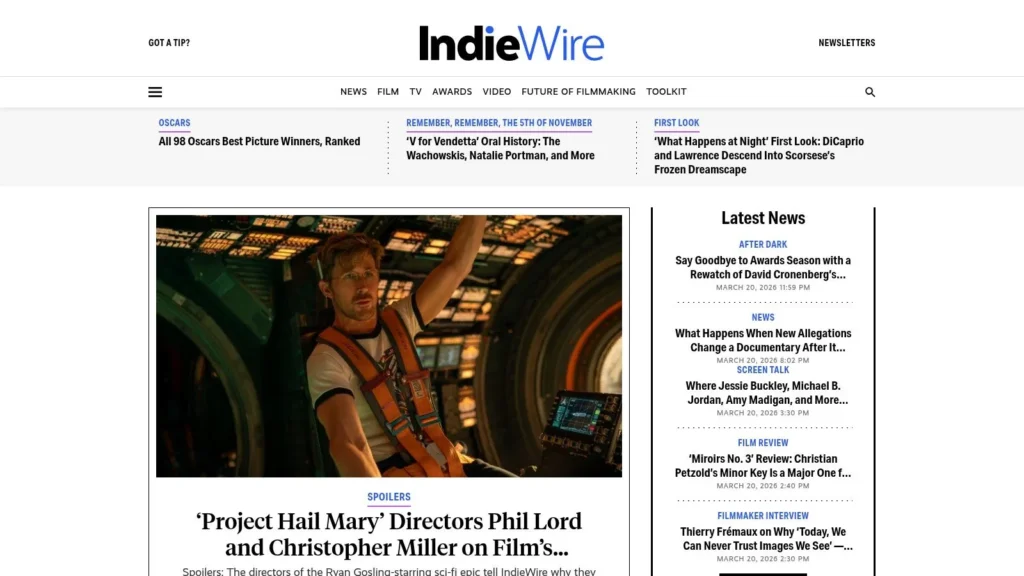
IndieWire’s strength lies in its extensive and rapid-fire festival coverage. When major events like Sundance, Cannes, TIFF, and SXSW are happening, its team of respected critics publishes reviews almost immediately after a film’s premiere. This makes it the go-to platform for first-look analysis of the year’s most anticipated indie titles. The reviews are tracked by Metacritic, adding a layer of recognized authority to their critiques.
Navigating the Platform
The website is free to access but is ad-supported, which can sometimes lead to a busy user experience. To get the most out of IndieWire without the distractions, consider these practical tips:
- Subscribe to the ‘In Review’ Newsletter: This free newsletter aggregates all the latest film reviews directly into your inbox, providing a clean, focused reading experience.
- Use Reader Mode: Most modern web browsers have a “Reader Mode” function that strips away ads and sidebars, presenting the article text in a simple format. This is ideal for reading longer-form reviews.
- Filter by Critic: If you find a critic whose taste aligns with yours (e.g., David Ehrlich, Kate Erbland), you can often search the site for their name to find a curated list of their work.
Distinguishing Features
While many outlets cover independent film, IndieWire’s industry-facing perspective sets it apart. It doesn’t just review films; it contextualizes them within the market, awards races, and ongoing industry conversations. This approach is evident in its long-running Critics Polls and in-depth analysis pieces that sit alongside standard reviews. The site’s model has also inspired conversations about the role of criticism, blending traditional review formats with a speed that sometimes mirrors the citizen journalism that you can learn more about here.
| Feature | Description | Best For |
|---|---|---|
| Festival Dispatches | Immediate reviews from Sundance, Cannes, TIFF, etc. | Following the buzz on new indie releases. |
| ‘In Review’ Newsletter | A curated email roundup of recent film reviews. | A clean, ad-free way to stay updated. |
| Critics Polls | Annual surveys of top critics to determine the year’s best films. | Discovering critically acclaimed hidden gems. |
Pros & Cons
- Pro: News-adjacent reviews provide immediate context for new releases and festival premieres.
- Pro: A highly recognized brand in the U.S. film industry and cinephile circles.
- Con: The website’s editorial focus has broadened, now including significant coverage of mainstream TV and film.
- Con: The on-site experience can be heavy with advertisements.
Website: https://www.indiewire.com
3. Film Threat
For filmmakers and audiences dedicated to the grittier, ground-level side of cinema, Film Threat is a long-standing champion. Founded in 1985, this U.S.-based outlet has maintained a rebellious, uncompromising spirit, focusing on the independent film reviews that mainstream publications often ignore. It provides a vital platform for micro-budget features, experimental shorts, and festival darlings that exist far outside the studio system.

Film Threat’s core value lies in its open-door policy for creators and its high-volume review output covering VOD and festival releases. Unlike more selective outlets, it actively courts submissions from unknown filmmakers, making it a true discovery engine for viewers seeking raw, unfiltered stories. The site’s reviews are candid and direct, reflecting its punk-rock ethos.
Navigating the Platform
The website is ad-supported and its design can feel busy, but its content is a goldmine for indie enthusiasts. Here are some tips for making the most of Film Threat:
- Bookmark the ‘Reviews’ Section: The most direct way to access new content is by going straight to the reviews tab, which is frequently updated with the latest indie and documentary critiques.
- Explore ‘Award This!’: This is Film Threat’s annual awards event. Browsing its nominees and winners is an excellent way to discover standout indie films from the past year that you may have missed.
- For Filmmakers – Read the Submission Guidelines: If you’re a creator looking for a review, the site offers a transparent submission process with both free and paid “Fast Pass” options for guaranteed consideration timelines.
Distinguishing Features
Film Threat’s most unique quality is its dual function as both a review publication and a service platform for emerging filmmakers. It demystifies the process of getting press by offering a clear pipeline for submissions. This grassroots approach feels similar to the do-it-yourself spirit you might find if you decide to learn how to start a blog to share your own passions. The site also runs its own events and actively promotes the films it champions.
| Feature | Description | Best For |
|---|---|---|
| Open Submissions | A clear pipeline for filmmakers to submit films for review consideration. | Emerging creators seeking press coverage. |
| ‘Fast Pass’ Review | An optional paid service for expedited review consideration. | Filmmakers on a tight promotional deadline. |
| ‘Award This!’ Event | An annual awards show celebrating daring and overlooked independent films. | Discovering the best under-the-radar cinema. |
Pros & Cons
- Pro: Strong focus on micro-budget, short, and truly independent films.
- Pro: Offers a clear and welcoming submission process for filmmakers.
- Con: Paid review options may raise questions about impartiality, though the site states it doesn’t guarantee positive reviews.
- Con: The website’s user interface is dense with ads and can feel cluttered.
Website: https://filmthreat.com
4. The Film Stage
For cinephiles seeking a curated and thoughtful approach to cinema, The Film Stage offers a refreshing alternative to the high-volume noise of larger media outlets. Founded in 2008, this U.S.-based publication champions arthouse, international, and independent film reviews with a distinctly passionate voice. Its editorial focus is less on breaking news and more on considered criticism, making it a trusted source for discovering films that might otherwise be overlooked.
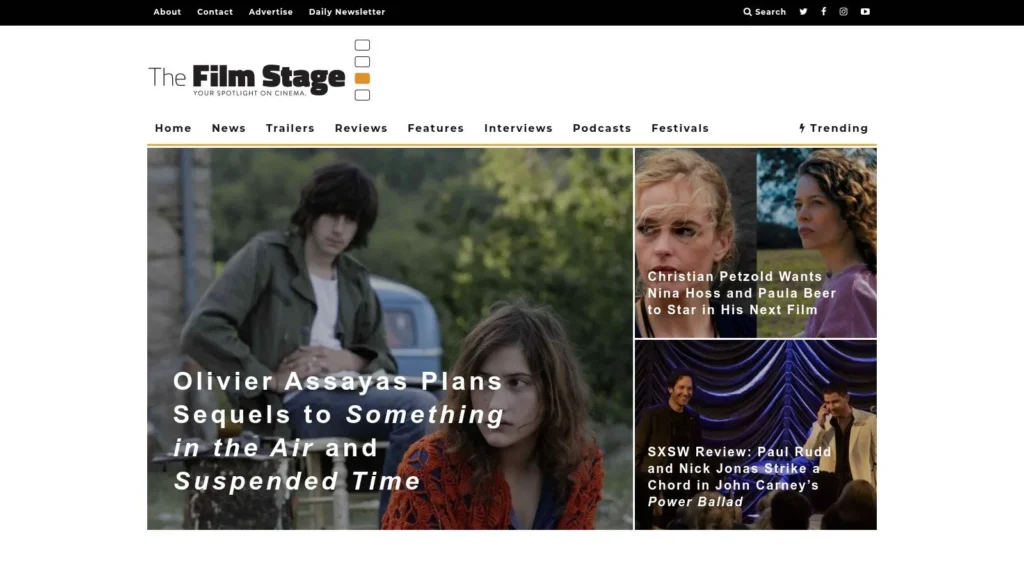
The Film Stage shines with its consistent and insightful festival coverage from events like Sundance, Cannes, and TIFF, often providing early reviews for significant indie breakouts. Beyond premieres, the site excels at connecting with its audience through engaging podcasts featuring filmmakers and critics, offering deeper context that goes beyond a simple star rating. This blend of timely reviews and evergreen discussions creates a rich resource for anyone passionate about the art of film.
Navigating the Platform
The website is free to access and presents a clean, reader-friendly design that prioritizes content over advertisements. To make the most of its curated offerings, try these strategies:
- Follow the ‘Festivals’ Section: During major festival seasons, this dedicated section becomes a hub for all related reviews, interviews, and news, making it easy to track the most talked-about titles.
- Listen to The Film Stage Show: The site’s primary podcast is an excellent way to get in-depth analysis. It often covers new releases, director retrospectives, and broader industry topics.
- Check Weekly Features: Look for recurring articles like “The Best Movies Now Playing” for a curated guide to what’s worth watching in theaters and on streaming services.
Distinguishing Features
What sets The Film Stage apart is its clear, taste-driven editorial direction. The smaller, dedicated team provides a consistent critical perspective, helping readers discover films that align with a specific arthouse sensibility. Instead of trying to cover everything, the publication selects films it deems artistically important, resulting in a more focused and less overwhelming discovery experience. This curatorial strength is its greatest asset, building a community of readers who trust its recommendations.
| Feature | Description | Best For |
|---|---|---|
| Curated Festival Coverage | Selective, in-depth reviews from major international film festivals. | Discovering festival breakouts with a strong critical endorsement. |
| Podcast Network | In-depth discussions with filmmakers, critics, and industry figures. | Gaining deeper context on films and the creative process. |
| Weekly Recommendations | Features like ‘The Best Movies Now Playing’ and ‘New to Streaming’. | Finding high-quality, critic-approved films to watch right now. |
Pros & Cons
- Pro: Taste-driven editorial helps surface smaller, artistically significant films.
- Pro: A strong mix of reviews, interviews, and podcast content provides a well-rounded perspective.
- Con: As a smaller team, its coverage can be more selective compared to larger outlets.
- Con: The volume of new content is lower, reflecting its curated, quality-over-quantity approach.
Website: https://thefilmstage.com
5. Film Comment
For readers who believe film criticism is an art form in itself, Film Comment offers a premier U.S. venue for serious, intellectual engagement with cinema. Published by Film at Lincoln Center, it stands apart from news-driven outlets by prioritizing thoughtful, lasting analysis. Its focus is squarely on international art-house, experimental, and independent film reviews, making it a destination for those who want to think deeply about movies long after the credits roll.
The publication’s strength is its scholarly yet accessible tone. Rather than rushing to cover every new release, its critics take the time to craft long-form essays and detailed festival dossiers that contextualize films within broader artistic and cultural movements. This institutional backing by Film at Lincoln Center gives it unparalleled access and a curatorial perspective, particularly during events like the New York Film Festival.
Navigating the Platform
The Film Comment website is clean, free to access, and designed for a focused reading experience. To get the most from its deep well of criticism, consider these approaches:
- Subscribe to the ‘Film Comment Letter’: This essential weekly newsletter delivers original criticism, interviews, and festival reports directly to your inbox, offering a curated dose of the site’s best content.
- Explore the Digital Archives: The site hosts an extensive archive of past magazine issues. Use the search function to find essays on classic independent films or trace a director’s career through decades of critical reception.
- Listen to the Podcast: The Film Comment Podcast provides a conversational extension of the publication’s editorial voice, featuring lively discussions with critics and filmmakers that add another layer to your understanding of the films covered.
Distinguishing Features
While many sites offer reviews, Film Comment provides criticism that endures. Its essays are often cited in academic papers and repertory screening notes, a testament to their intellectual rigor and lasting value. The editorial cadence, which favors depth over breadth, means that when the publication does cover a film, it is with significant intention and insight. This makes it a vital resource for understanding a film’s place in the canon of cinema.
| Feature | Description | Best For |
|---|---|---|
| Film Comment Letter | A free weekly newsletter with original, high-quality criticism. | Staying current with thoughtful, long-form film analysis. |
| Festival Dossiers | In-depth collections of reviews and essays from major festivals. | Deep dives into the year’s most important new art-house films. |
| Digital Archives | Access to a rich history of critical writing from past issues. | Researching classic independent cinema or a filmmaker’s history. |
Pros & Cons
- Pro: An authoritative and respected voice in art-house and independent film criticism.
- Pro: Strong editorial curation produces long-form analysis that remains relevant for years.
- Con: The volume of reviews is lower than newsier outlets; not every indie film is covered.
- Con: Its deliberate editorial pace means coverage is not always immediate upon a film’s release.
Website: https://www.filmcomment.com
6. Little White Lies
For cinephiles who believe film criticism should be as artful as cinema itself, Little White Lies is a premier destination. This UK-based independent film magazine, with its distinctive visual style and thoughtful writing, has cultivated a global following. It champions independent film reviews not just as consumer guidance but as a form of creative expression, making each print issue a collectible and its website a hub for considered analysis.
The platform’s most notable feature is its unique tripartite review system, which evaluates films on Anticipation, Enjoyment, and In Retrospect. This method provides a more complete picture of a film’s impact, from pre-release hype to lasting impression. The magazine offers deep-dive festival coverage, long-form interviews with auteurs, and a clear passion for international and arthouse cinema, making it an excellent resource for discovering films outside the mainstream.
Navigating the Platform
Little White Lies offers its content through a free-to-read website, print subscriptions, and digital editions. Here’s how to make the most of its offerings:
- Understand the Tripartite Score: Pay attention to the three-part rating (Anticipation, Enjoyment, In Retrospect). A high “In Retrospect” score, for instance, often signals a film with lasting thematic depth worth revisiting.
- Explore Digital Subscriptions: If you’re outside the UK, digital access through platforms like Zinio, Readly, or Apple News+ is the most cost-effective way to read the beautifully designed magazine issues without dealing with international shipping.
- Join Club LWLies: For dedicated fans, the membership program offers perks like exclusive newsletters, community access, and discounts, creating a closer connection to the publication and fellow film lovers.
Distinguishing Features
What truly separates Little White Lies is its commitment to design and a specific editorial voice. Each print issue is designed around a single film, featuring a bespoke cover illustration and content that thematically ties back to the movie. This approach elevates the magazine from a simple review aggregator to a piece of art. Its reviews often read like thoughtful essays, situating a film within a director’s broader body of work and the larger cinematic conversation.
| Feature | Description | Best For |
|---|---|---|
| Tripartite Reviews | A unique scoring system rating Anticipation, Enjoyment, and In Retrospect. | Gaining a nuanced understanding of a film’s impact. |
| Club LWLies | A paid membership with community perks and exclusive content. | Dedicated readers seeking a deeper engagement. |
| Collectible Print Issues | Thematically designed print magazines with striking cover art. | Film enthusiasts who appreciate print media and design. |
Pros & Cons
- Pro: Distinctive editorial voice and striking visual design that celebrate auteur and indie cinema.
- Pro: Excellent for discovering international and arthouse titles often overlooked elsewhere.
- Con: Print subscription logistics can be complex for readers outside the UK.
- Con: Full access to the community and certain premium content requires a paid membership.
Website: https://lwlies.com
7. The Playlist
For those who want to stay current with the festival circuit and awards season, The Playlist is a highly reliable source for independent film reviews. This U.S.-based outlet has carved out a niche by blending timely critiques with broader industry context, covering indie and prestige cinema with a focus on what’s generating buzz. Its content often bridges the gap between arthouse appreciation and market analysis, making it a great resource for understanding how an indie film fits into the bigger picture.
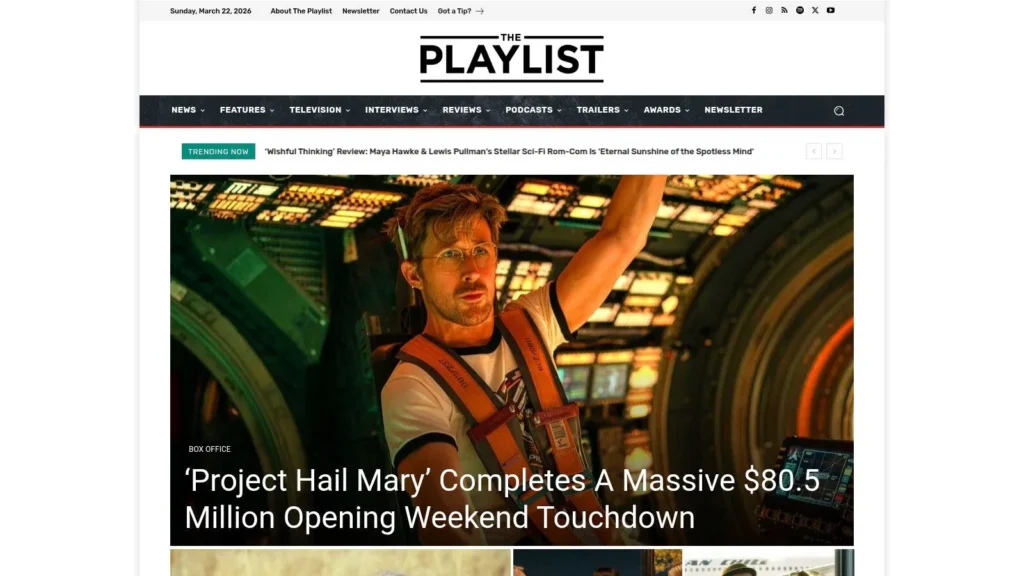
The Playlist’s core value comes from its consistent and timely festival coverage from events like Sundance, SXSW, and Venice. Its team publishes reviews, interviews, and news dispatches that give readers a well-rounded view of a film’s journey from premiere to potential distribution. The site is completely free to access and supports itself with on-site ads.
Navigating the Platform
The website presents a mix of reviews, news, and features, which can be a lot to sort through. Here are some tips for a more focused experience:
- Bookmark the Reviews Section: The Playlist has a dedicated “Reviews” tab in its main navigation menu. This is the quickest way to filter out news and other content to see only film critiques.
- Follow Their Podcasts: The site produces several podcasts, including “The Playlist Podcast” and “BeReel,” which offer in-depth discussions and audio reviews that complement the written content.
- Use Festival Tags: Reviews from festivals are often tagged (e.g., “Sundance 2024”). Using the site’s search function for these tags can help you explore all the films reviewed from a specific event.
Distinguishing Features
While many sites cover festivals, The Playlist excels at contextualizing its reviews with related content. A review of a breakout indie film is often followed by an interview with its director or an analysis of its awards potential. This multi-faceted approach helps readers understand not just whether a film is good, but why it matters in the current film landscape. The frequent updates and active podcast network provide multiple ways to engage with their coverage.
| Feature | Description | Best For |
|---|---|---|
| Festival Dispatches | Timely reviews and news from major film festivals. | Staying current with the latest indie breakouts. |
| Active Podcast Lineup | Multiple podcasts offering audio reviews and discussions. | Deeper audio dives into new film releases. |
| Contextual Coverage | Blends reviews with interviews, news, and awards analysis. | Understanding a film’s industry significance. |
Pros & Cons
- Pro: Reliable and timely reviews of new independent films, especially from festivals.
- Pro: Strong mix of reviews, interviews, and news provides excellent context.
- Con: The editorial focus includes mainstream film and TV, so it isn’t exclusively an indie platform.
- Con: Broad coverage means it may not offer as many deep dives into niche or experimental subgenres.
Website: https://theplaylist.net
Top 7 Indie Film Review Sites Comparison
| Publication | Implementation complexity | Resource requirements | Expected outcomes | Ideal use cases | Key advantages |
|---|---|---|---|---|---|
| Entertainment – Maxi Journal | Low — easy to browse, curator-driven hub | Low for readers; editorially staffed (independent) | Curated indie/streaming discovery with cultural context | Curious viewers seeking depth over hype and overlooked titles | Concise, cross-disciplinary criticism; regular updates; independent voice |
| IndieWire | Moderate — newsy layout, ad density may require newsletters | Low for readers; strong critic staff and festival resources | Timely festival/release coverage and awards context | Industry tracking, awards season monitoring, festival follow-up | Recognizable brand, comprehensive festival presence, Metacritic-tracked reviews |
| Film Threat | Moderate — submission system with paid fast-track options | Low for readers; filmmakers can use paid expedited services | High-volume indie and micro-budget exposure, guaranteed turnaround options | Ultra-low-budget filmmakers and niche indie promotion | Very indie-focused, clear submission pipeline, promotional packages |
| The Film Stage | Low — curated site with regular festival updates and podcasts | Low resource needs; smaller editorial team, selective coverage | Taste-driven discovery of arthouse and festival breakouts | Readers seeking curated recommendations, interviews, and podcasts | Curated critic picks, balanced festival and evergreen content |
| Film Comment | Moderate — long-form, archive-oriented consumption | Higher time investment for readers; institutional support (Film at Lincoln Center) | Authoritative, in-depth criticism and lasting analysis | Readers wanting serious scholarship and deep art-house criticism | Institutional credibility, long-form essays, festival dossiers and podcasts |
| Little White Lies | Moderate — strong visual design, print+digital distribution | Paid print subscriptions for some perks; digital editions available | Distinctive, collectible criticism and international arthouse visibility | Readers valuing design, collectible print issues, and festival features | Unique three-part scoring, striking design, strong festival/interview coverage |
| The Playlist | Low — frequent posts and clear festival tags | Low for readers; active editorial/podcast teams | Steady, buzzy festival coverage and market/awards framing | Staying current on festival breakouts and market trends | Reliable posting cadence, awards/box-office context, active podcast lineup |
Final Thoughts
Navigating the world of independent film reviews can feel like searching for a hidden gem in a vast cinematic landscape. We’ve explored a curated selection of platforms, from the industry-focused analysis of IndieWire and The Playlist to the rebellious, often unfiltered spirit of Film Threat. Each source offers a distinct lens through which to view and understand the art of independent cinema.
The goal was to provide more than just a list; it was to equip you with a framework for finding criticism that resonates with your personal taste. Whether you appreciate the high-brow, academic approach of Film Comment or the beautifully designed, thematic issues of Little White Lies, the right voice is out there waiting to guide your next movie night. This collection demonstrates that the quality of independent film reviews is not monolithic; it’s a vibrant, diverse conversation happening across many different venues.
Key Takeaways and Your Next Steps
Reflecting on the tools we’ve covered, several core ideas stand out. The most effective way to engage with independent film reviews is to diversify your sources. Relying on a single publication can create an echo chamber, limiting your exposure to different perspectives and genres.
Here are some actionable next steps to put these insights into practice:
- For the Aspiring Critic: If you’re looking to get your own voice heard, start by studying the submission guidelines for publications like Film Threat or smaller blogs. Notice their tone, the structure of their reviews, and the types of films they cover. This targeted approach is far more effective than sending unsolicited, generic pitches.
- For the Discerning Viewer: Don’t just read the star rating. Take a moment to read the first and last paragraphs of a review to grasp the critic’s core argument. Consider creating a personal “review panel” by bookmarking 3-4 of the publications we discussed, such as The Film Stage for daily news and Little White Lies for deeper, thematic dives.
- For the Festival Follower: Platforms like IndieWire and The Playlist are indispensable during festival season (Sundance, Cannes, TIFF). Follow their coverage to get early buzz on breakout hits and discover under-the-radar films before they secure distribution.
Choosing the right platform depends entirely on your goal. Are you seeking a quick “watch or skip” verdict? Or do you want a thoughtful essay that places a film in a larger cultural context? Understanding your own needs is the first step toward finding reviews you can trust.
Expert Insight: The best critics don’t just tell you if a film is good; they explain why it works (or doesn’t) by connecting its themes, performances, and directorial choices to a broader artistic conversation. Look for reviewers who challenge your perspective, even if you don’t always agree with their final assessment.
Ultimately, engaging with independent film reviews is about more than just finding something to watch. It’s about deepening your appreciation for filmmaking as an art form, discovering new storytellers, and joining a global community of people who are passionate about movies that dare to be different. The journey into independent cinema is a rewarding one, and with these resources, you are well-prepared to explore its every corner.
Ready to discover even more fresh takes on film, music, and culture? maxijournal.com offers a platform for emerging voices and provides approachable commentary on the arts you care about. Explore our curated content at maxijournal.com to find your next favorite independent film review.
Discover more from Maxi Journal
Subscribe to get the latest posts sent to your email.