Tired of starting your day feeling stiff, bloated, or wiped out by midmorning, even when breakfast looks “healthy” on paper? That’s the gap most breakfast advice misses. It gives you ingredients, but not a system. A bowl of oats can support an anti inflammatory diet breakfast, but not if it turns into a sugar-heavy meal that leaves you hungry an hour later. A smoothie can work, but not if it’s basically fruit with no staying power.
That matters because an anti-inflammatory diet isn’t one rigid meal plan. Harvard’s Nutrition Source describes it as a flexible eating pattern centered on fruits, vegetables, unsaturated fats, minimally refined whole grains, tea, coffee, herbs, spices, and oily fish, with Mediterranean and DASH-style eating as familiar examples of the same approach (Harvard Nutrition Source on anti-inflammatory eating patterns). In practical terms, breakfast is one of the easiest places to build that pattern with oats, berries, nuts, seeds, yogurt, olive oil, eggs, greens, and avocado.
The smarter question isn’t just “What’s anti-inflammatory?” It’s “What can I eat at 7 a.m. that helps with satiety, steadier energy, and consistency?” If you want a useful starting point, discover olive oil anti-inflammatory benefits and then put those principles to work in actual breakfasts you’ll make more than once.
1. Turmeric Golden Milk Smoothie Bowl
A turmeric bowl sounds like a café breakfast, but it works best at home when you build it for balance instead of color. The mistake I see most often is treating it like a dessert bowl. Too much banana, too much sweetener, not enough fat or protein.
Use unsweetened milk or fortified soy milk as the base, then blend in frozen mango or pineapple, a small piece of banana for texture, turmeric, ginger, and a pinch of black pepper. Pour it into a bowl and finish with berries, pumpkin seeds, walnuts, and unsweetened coconut.
How to Make It Hold You
Warm the milk slightly before blending if turmeric tends to taste chalky to you. It softens the flavor and helps the spices disperse better. Keep the fruit portion moderate and lean on toppings that add crunch and staying power.
Practical rule: If your smoothie bowl is mostly blended fruit, it may look wholesome but still eat like a fast-carb breakfast. Add seeds, nuts, or yogurt to make it work harder.
Smart swaps help here:
- Need more protein: Add plain Greek yogurt or a scoop of unsweetened protein powder.
- Avoiding dairy: Use soy milk or coconut milk, then add hemp hearts or almond butter.
- Want less sweetness: Use cauliflower rice or zucchini in the blend. The spices cover the flavor well.
This bowl fits the anti-inflammatory pattern because it leans on whole plant foods, spices, and healthy fats instead of refined cereal or flavored yogurt. The broader dietary model matters. Harvard Health emphasizes minimizing added sugar and ultra-processed foods while prioritizing whole grains, fiber, healthy fats, and protein for an anti-inflammatory way of eating (Harvard Health quick-start anti-inflammation guide).
Meal prep is easy. Make a small turmeric-ginger paste ahead, keep frozen fruit portions in containers, and store toppings in jars. In the morning, you blend and assemble in minutes.
2. Wild Salmon and Avocado Toast
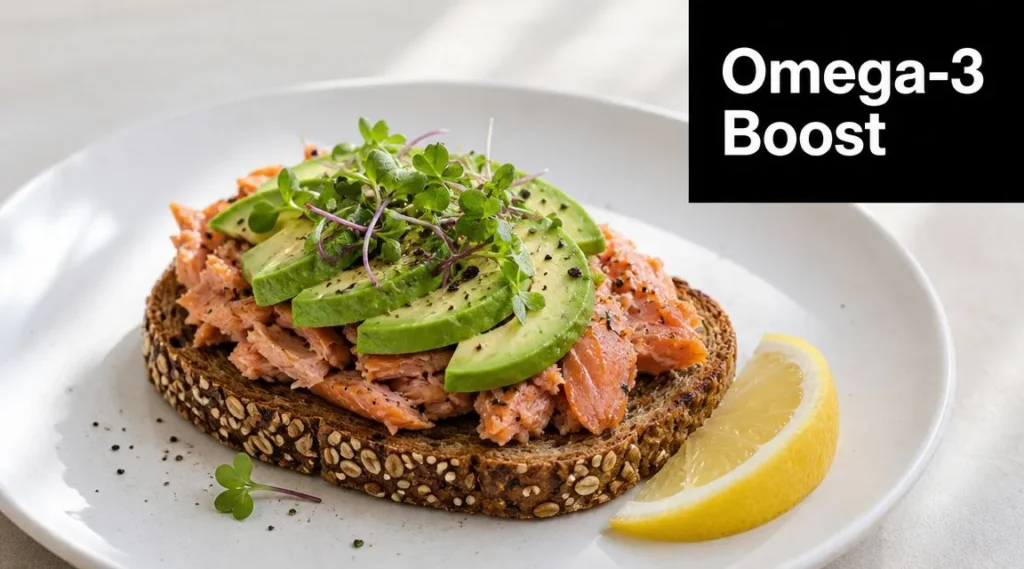
If you want a savory anti inflammatory diet breakfast that keeps you full, start here. Salmon and avocado toast solves a common breakfast problem. It gives you protein, fat, fiber, and texture without relying on sweetness.
Toast a slice of sturdy whole-grain or sprouted bread. Mash avocado with lemon juice, a little salt, and dill. Top with flaked cooked salmon, sliced cucumber or radish, and optional capers or microgreens.
Best Version and Best Shortcut
Cook the salmon the night before, or use plain leftover baked salmon from dinner. That’s often better than trying to build this from smoked salmon every time, especially if you want more control over salt and portion size. Choose a bread with visible grains and enough structure to hold the toppings.
For busy mornings:
- Night-before prep: Cook salmon, mash avocado with lemon just before serving, and wash greens ahead.
- Low-effort finish: Add dill, black pepper, and a squeeze of lemon.
- Extra protein move: Top with a soft-boiled egg, or browse more high-protein breakfast ideas.
This breakfast lines up cleanly with anti-inflammatory guidance because oily fish and unsaturated fats are central building blocks in that pattern. If you shop fish often, it’s worth reviewing farm raised versus wild fish explained so you can pick what fits your budget and preferences.
The trade-off is cost. Salmon isn’t your cheapest weekday breakfast. My practical answer is to treat this as a two-or-three-times-a-week anchor meal, not an everyday obligation. Sardines on toast, canned wild salmon, or leftover trout can do the same job when you need a less expensive version.
3. Berry and Green Tea Antioxidant Parfait
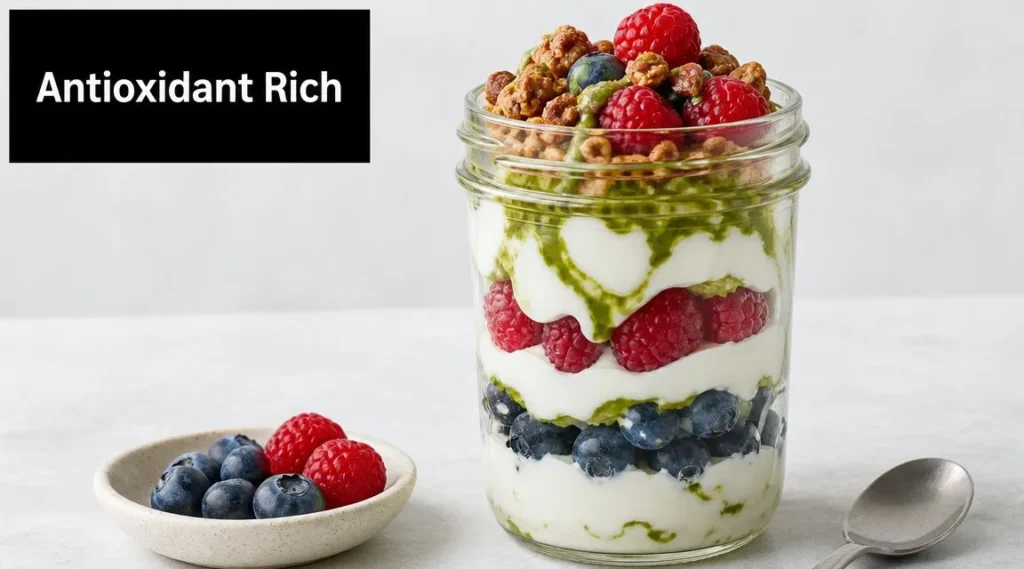
Need a breakfast that feels light but still holds you through the morning? This parfait works best when you build it like a system, not a dessert cup.
Start with plain Greek yogurt or skyr. Layer in mixed berries, chopped walnuts, and chia or ground flax. Finish with a small spoonful of low-sugar granola for crunch, not a full cereal serving. Brew green tea strong, let it cool, then toss a few spoonfuls with the berries or stir a little into the yogurt for a subtle, slightly earthy flavor.
The anti-inflammatory logic is straightforward. Berries and green tea bring polyphenols. Walnuts and seeds add unsaturated fats and fiber. Yogurt or skyr adds protein, which helps slow the meal down and makes the parfait act more like breakfast than a snack.
This is also one of the easiest recipes to get wrong.
Many store-bought parfaits rely on sweetened yogurt, fruit puree, and big handfuls of granola. That combination can push sugar up fast and leave protein too low to be satisfying. A better version keeps the base plain, uses fruit for sweetness, and treats granola as a topping instead of the foundation.
A good anti-inflammatory parfait balances protein, fiber, and polyphenol-rich ingredients in one jar.
A few practical swaps make it easier to repeat through the week:
- No dairy: Use unsweetened soy yogurt.
- Need more staying power: Add hemp hearts or extra walnuts.
- Prefer less crunch: Use toasted oats instead of granola.
- Using frozen berries: Thaw and drain them first so the layers do not get watery.
For meal prep, portion the yogurt into jars, keep berries washed and ready, and store the granola or seed mix separately. If I am setting up breakfasts for several workdays, that last step matters. It preserves texture and keeps the parfait from turning soft by day two.
The main trade-off is fullness. If you go too light on protein or add too much fruit and granola, this can eat like a snack. The fix is simple. Use a generous yogurt base, keep the crunchy topping modest, and include nuts or seeds every time.
4. Chia Seed and Coconut Pudding Breakfast
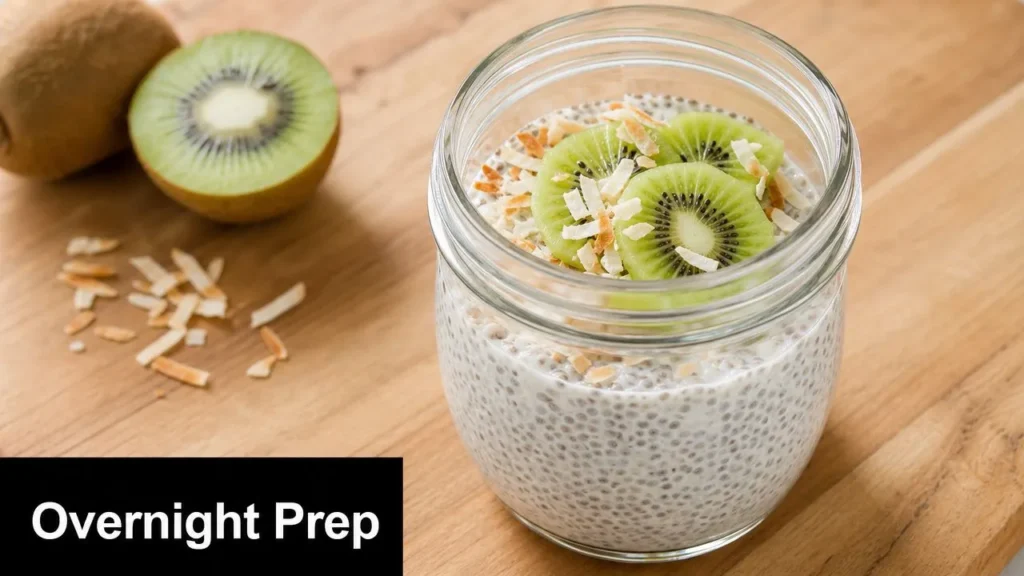
This is the breakfast I recommend for people who skip mornings because they “never have time.” Chia pudding is less about cooking and more about setting yourself up the night before.
Stir chia seeds into unsweetened coconut milk, soy milk, or a mix of milk and yogurt. Add cinnamon, vanilla, and a pinch of salt. Refrigerate overnight, then top with kiwi, berries, almonds, or hemp hearts in the morning.
The Main Trade-Off
Chia pudding is convenient, but it isn’t automatically satisfying. If it’s just chia, coconut milk, and fruit, some people will be hungry fast. You fix that by adding protein and keeping sweetness in check.
Try one of these upgrades:
- For better fullness: Mix in Greek yogurt or skyr.
- For a plant-based version: Use soy milk and top with pumpkin seeds.
- For easier digestion: Start with a smaller portion if you’re not used to high-fiber breakfasts.
Whole grains are often highlighted in anti-inflammatory eating, but fiber-rich seeds matter too because they help turn breakfast into a slower, steadier meal. This option works especially well for people who don’t want a hot breakfast yet still need something more substantial than toast.
I also like it as a base system. Make a neutral batch on Sunday, then change the topping profile through the week. Berries and walnuts one day, pear and cinnamon the next, mango and lime another morning. That keeps the habit from going stale without forcing you to learn new recipes.
5. Ginger and Lemon Detox Oatmeal
Can a bowl of oatmeal function like a better anti-inflammatory breakfast, not just a healthy-looking one? Yes, if you build it with enough flavor, fiber, and staying power.
Start with rolled or steel-cut oats cooked in water plus milk, or use unsweetened soy milk if you want more protein. Stir in freshly grated ginger during the last few minutes so it keeps its bite. Finish the bowl with lemon zest, a small squeeze of lemon juice, berries, and chopped walnuts. If you need this breakfast to carry you to lunch, add plain Greek yogurt or skyr on top.
The reason this works is practical. Oats give you a steady base, ginger adds warmth and sharpness without sugar, lemon brightens a dish that can otherwise taste flat, and walnuts help slow the meal down. That combination turns a plain bowl into a system you can repeat.
The Main Trade-Off
Oatmeal has a healthy reputation, but it is easy to build it poorly. Sweetened packets, too much dried fruit, or a heavy pour of maple syrup can push breakfast toward a blood-sugar spike followed by an energy dip. On the other hand, a bowl made with plain oats, berries, nuts, and a protein boost tends to feel much steadier.
I often see one of two problems. The bowl is too sweet, or it is too small.
Use these upgrades based on what your morning needs:
- For faster weekday prep: Batch-cook steel-cut oats, portion them, and reheat with a splash of water or milk.
- For better flavor: Simmer sliced or grated ginger with the oats, then add lemon at the end so it stays fresh and bright.
- For more fullness: Stir in ground flax, add walnuts, and serve with yogurt or soy milk.
- For a gentler bowl: Use rolled oats instead of steel-cut if your digestion does better with a softer texture.
This breakfast also handles substitutions well. No berries? Use chopped pear and cinnamon. No walnuts? Pumpkin seeds work. If you want a savory side to round out the meal, a few leftover vegetables can help, including the anti-inflammatory benefits of asparagus.
The bigger point is consistency. Ginger and lemon oatmeal is not useful because it sounds clean or trendy. It is useful because it is cheap, repeatable, easy to prep ahead, and simple to adjust for appetite, protein needs, and season.
6. Leafy Green Vegetable Egg Scramble
A savory egg scramble is one of the fastest ways to build a breakfast that feels like real food. It also answers a question that sweet breakfasts often don’t. Will this keep you steady through the morning?
Sauté spinach, kale, or arugula in olive oil with garlic and a little onion. Add beaten eggs, scramble gently, and finish with herbs. Serve it alone, on whole-grain toast, or with a side of roasted sweet potato if you want more substance.
Why Savory Often Works Better
Many anti-inflammatory breakfasts look healthy but still skew sweet. That’s where people run into trouble. Fruit-heavy smoothies, oat bowls with too little protein, and blended breakfasts with no chewing can leave satiety on the weak side.
Savory breakfasts have an edge. They make it easier to combine protein, greens, fiber, and fat without leaning on sugar. That fits the practical takeaway from anti-inflammatory guidance that prioritizes minimizing added sugar and refined grains while building meals around whole foods, protein, and healthy fats.
A scramble also makes leftovers useful:
- Use what’s in the fridge: Mushrooms, asparagus tips, zucchini, herbs, and leftover roasted vegetables all work.
- Cook smarter: Sauté the vegetables first so the eggs stay tender instead of watery.
- Finish well: A drizzle of extra virgin olive oil at the end improves both flavor and richness.
If asparagus is in season, these benefits of asparagus make it an easy addition to the pan.
The best version of this breakfast isn’t complicated. It’s the one you can repeat. Keep eggs, greens, olive oil, and one aromatic like garlic or onion in the house, and you’re always close to a solid anti inflammatory diet breakfast.
7. Acai and Pomegranate Power Bowl
Acai bowls have a reputation problem. Some are excellent. Some are basically sorbet with toppings. If you want this breakfast to support an anti-inflammatory pattern, you need to control the blend.
Use unsweetened frozen acai pulp and blend it briefly with a small amount of milk or plain yogurt. Keep the texture thick. Top with pomegranate arils, sliced berries, pumpkin seeds, almonds, and a modest sprinkle of granola.
How to Keep the Bowl From Becoming Dessert
The fix is straightforward. Don’t overload the base with juice, sweetened packets, honey, or multiple high-sugar fruits all at once. Build contrast instead of sweetness.
A balanced bowl usually includes:
- A thick unsweetened base: Acai plus milk or yogurt.
- Crunch with substance: Nuts and seeds, not just granola.
- Fruit as accent: Pomegranate and berries work better than a pile of banana and syrup.
This breakfast works best after activity, on warmer mornings, or for people who won’t eat eggs or oatmeal. I wouldn’t call it the top choice for everyone with blood sugar concerns, but it can fit well when you add protein and keep the sweeteners out.
Pomegranate, berries, nuts, and seeds all fit comfortably inside the anti-inflammatory food pattern that emphasizes plant foods rich in fiber, antioxidants, phytochemicals, and healthy fats. The bowl is visually appealing, but that isn’t the main objective. Its primary purpose is making a cold breakfast that still has structure and enough substance to carry you into the day.
8. Bone Broth and Vegetable Savory Breakfast Porridge
For people who don’t feel their best on sweet breakfasts, savory porridge can be a game changer. It’s warm, grounding, and easy to adapt if you want something gentler than toast or yogurt first thing in the morning.
Cook quinoa or millet in broth instead of water, then fold in sautéed mushrooms, cauliflower rice, scallions, or spinach. Finish with olive oil, black pepper, and a soft egg if you want more protein. The result lands somewhere between congee, risotto, and breakfast grains.
Here’s a visual if you want a savory morning option in motion.
Who This Breakfast Helps Most
This is excellent for cold mornings, post-travel resets, or anyone burned out on sweet breakfasts. It’s also a practical way to use grains identified in anti-inflammatory eating patterns without defaulting to oatmeal every day.
A large NHANES-based study found that breakfast regularity and dietary inflammatory load were independently associated with depression risk. Compared with participants reporting breakfast in both recalls, reporting breakfast in only one recall had an adjusted odds ratio of 1.54 for depression, and skipping breakfast was associated with higher dietary inflammatory index exposure (NHANES-based study on breakfast regularity, dietary inflammatory load, and depression risk). That doesn’t mean porridge is magic. It does reinforce a practical point. A breakfast you’ll eat consistently matters, and savory options often make consistency easier for people who dislike sweet foods.
A good breakfast doesn’t need to be trendy. It needs to be repeatable, satisfying, and built from foods your body handles well.
For prep, cook the grain ahead and keep vegetables chopped. In the morning, reheat with broth, stir, and top. It feels substantial without being heavy, which is rare in breakfast food.
8 Anti-Inflammatory Breakfasts Comparison
A comparison table sounds useful, but here it repeats what you already read. The more practical question is simpler. Which breakfast system fits your actual morning well enough that you will make it again next week?
Use the eight options above as a shortlist, not a scorecard. Start by matching the breakfast to the constraint that usually breaks your routine. If time is tight, choose a make-ahead option such as chia pudding or the berry and green tea parfait. If you stay full longer with savory meals, start with the egg scramble, salmon toast, or savory porridge. If your appetite is low early in the day, the smoothie bowl is often easier to tolerate than a heavier plate.
Cost matters too. Oatmeal, eggs, greens, chia, and frozen berries usually give the best return for everyday use. Salmon, acai, and bone broth can be useful additions, but they do not need to be daily staples to support an anti-inflammatory pattern. I often recommend building around two lower-cost breakfasts for weekdays and saving the higher-cost options for one or two mornings when you want more variety.
Preparation style matters as much as ingredients. Some people do best with cold, ready-to-eat breakfasts they can grab in two minutes. Others feel better with a warm meal that slows them down and improves satiety. Both can work. The better choice is the one you can repeat without relying on extra motivation.
A simple way to decide is to keep three questions in mind:
- Can I make this in the time I have?
- Does it keep me full for at least a few hours?
- Can I stock the ingredients without waste or extra friction?
If the answer is yes, that breakfast belongs in your rotation. If not, it may be healthy on paper and still be the wrong fit for your morning.
Make Your Mornings Work for You
Integrating an anti inflammatory diet breakfast into your routine doesn’t have to be complicated. What matters most is repeating a pattern that’s built from whole foods, feels satisfying, and fits your real mornings. If breakfast depends on perfect motivation, a full kitchen, and extra time, it won’t last.
The easiest shift is to stop thinking in terms of individual “superfoods” and start thinking in breakfast systems. Every strong option on this list has the same basic structure. It includes a quality carbohydrate source such as oats, whole-grain toast, quinoa, or fruit. It also includes protein, healthy fat, and at least one ingredient that adds fiber, color, or plant compounds, such as berries, greens, seeds, herbs, avocado, or olive oil.
That’s also where the biggest trade-offs show up. Sweet breakfasts are convenient and familiar, but they can miss on satiety if they’re mostly fruit, blended ingredients, or refined toppings. Savory breakfasts often do a better job with fullness and blood sugar stability, especially when they combine eggs, fish, greens, whole grains, and olive oil. Neither style is automatically better. The better breakfast is the one that keeps added sugar low, avoids ultra-processed shortcuts, and leaves you feeling steady rather than hungry and foggy.
If you’re just starting, don’t try all eight ideas at once. Pick one cold option and one savory option. A practical pairing might be chia pudding for rushed mornings and an egg scramble or savory porridge for days when you want something hot. That gives you flexibility without making breakfast another decision-heavy part of the day.
Weekend prep helps more than willpower. Wash berries, portion smoothie ingredients, cook a batch of grains, hard-boil eggs, chop greens, and keep toppings like walnuts, pumpkin seeds, and flaxseed in clear jars where you’ll use them. If salmon toast is too expensive for daily rotation, save it for a few mornings a week and rely on oats, eggs, yogurt, and grains as your core.
Consistency beats novelty here. You’re not chasing a perfect breakfast. You’re building a morning routine that supports lower inflammatory load, steadier energy, and a more balanced way of eating overall. Start with one recipe this week, repeat it enough to make it easy, then add another. That’s how healthy breakfasts stop being ideas and start becoming habits.
If you like practical health writing that skips hype and gets to what works, visit maxijournal.com. You’ll find approachable articles across health, science, technology, sports, arts, travel, business, education, pets, entertainment, fashion, and more, plus a home for readers and contributors who want fresh, clear, independent publishing.
Discover more from Maxi Journal
Subscribe to get the latest posts sent to your email.