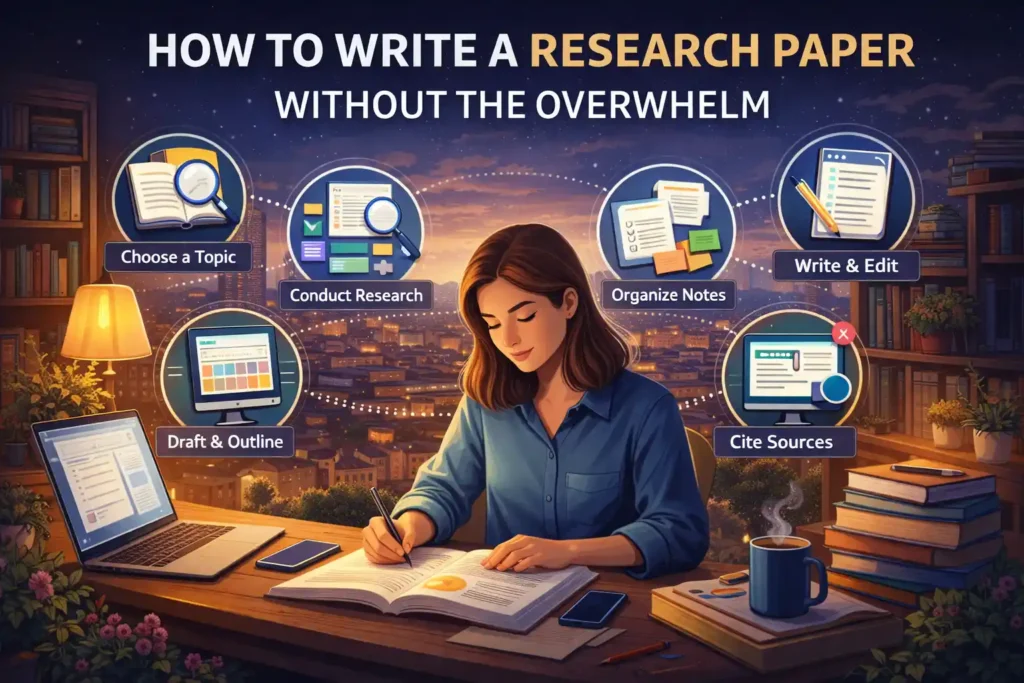
Find Your Next Intellectual Adventure
Why do so many lists of interesting topics to read about circle the same obvious themes, yet skip the forces that shape how people learn, work, create, and participate? That gap matters. A topic becomes worth your time not just because it’s trendy, but because it reveals how culture, technology, and everyday decisions are changing underneath familiar headlines.
For the maxijournal.com audience, that distinction is especially useful. Readers here don’t just want another roundup of generic curiosities. They want subjects that connect science to creativity, business to ethics, travel to responsibility, and personal interests to broader shifts in society. Potential contributors need the same thing. A strong editorial idea doesn’t start with a category label. It starts with tension, momentum, and a reason this topic belongs in public conversation now.
The list below is built with that standard in mind. Some topics are obvious on the surface, like AI, remote work, or online learning. Others become more compelling when you look past the cliché version and ask harder questions about access, quality, sustainability, and power. That’s where better reading begins, and where better writing often starts too.
If you’re searching for interesting topics to read about in 2026, treat this as more than a reading list. Treat it as an editorial map. Each entry points to a subject maxijournal can approach from multiple angles, whether you’re reading for insight, brainstorming a pitch, or looking for a fresh way into a crowded theme.
1. The Rise of AI in Creative Industries
AI in the arts is interesting because it forces two debates to happen at once. One is practical: how creators use tools such as ChatGPT, DALL·E, and music-generation platforms to speed up ideation, drafting, editing, and production. The other is philosophical: what people still mean by originality when software can imitate styles, generate variations, and lower technical barriers.
That tension makes the topic larger than product news. An independent musician using AI mastering software isn’t just adopting a new tool. They’re changing the cost, pace, and authorship model of making music. A novelist experimenting with AI-assisted outlining isn’t only saving time. They’re making editorial choices about voice, ownership, and what should remain irreducibly human.

Why this belongs on your list
The strongest reading in this area doesn’t ask whether AI will “replace creativity.” That’s too shallow. Better work asks who benefits when production becomes easier, who gets displaced when synthetic output floods the market, and how creative identity changes when the first draft might come from a machine prompt.
If you want a useful primer before diving into creator-specific debates, maxijournal’s guide to what machine learning is gives the technical foundation that many arts discussions assume but rarely explain.
Practical rule: Read creators discussing workflow, then read lawyers and critics discussing rights. The gap between those conversations is where the most revealing stories usually are.
Real examples are easy to find in everyday practice. Small bands use AI tools for rough demos. Visual artists use generative systems for concept art and mood boards. Writers use large language models to test structure, not just prose. That mix of utility and unease is exactly why this remains one of the most interesting topics to read about.
2. Emerging Technologies Shaping Remote Work Culture
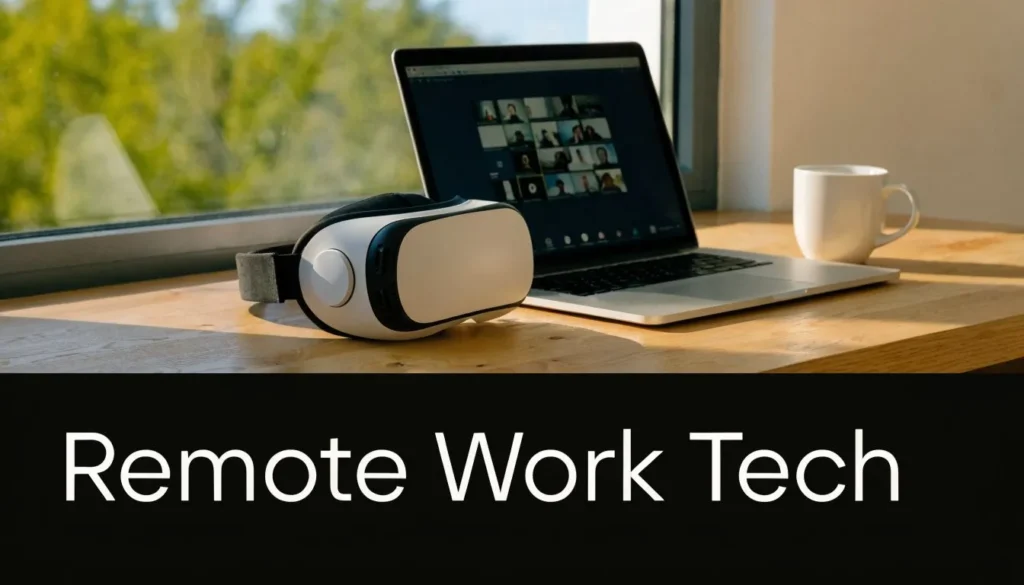
What determines whether remote work feels productive or chaotic. The answer is rarely one app. It is the underlying system teams use to share identity, coordinate decisions, secure access, and keep information consistent across tools.
That is why this topic belongs in a serious reading list for maxijournal readers and contributors. It sits at the intersection of business operations, digital culture, workplace design, and personal wellbeing. For an editorial publication with a broad scope, remote work technology is not a narrow productivity trend. It is a reliable lens for understanding how institutions now function.
One useful signal comes from the market for data integration tools. Grand View Research states that the global data integration market was valued at USD 15.24 billion in 2024 and projects continued growth through 2030, driven by cloud adoption and the need to connect fragmented business systems (Grand View Research data integration market analysis). The remote-work implication is straightforward. Distributed teams rely on project management platforms, CRM systems, analytics dashboards, file storage, and communication software working from the same underlying record. When those systems drift apart, teams stop arguing about strategy and start arguing about which version of the record is current.
Where the real tension sits
Coverage of remote work technology often centers on visible products such as Notion AI, Monday.com, Gather, and Spatial. That angle is easy to package, but it misses the harder editorial question. Do new tools reduce coordination costs, or do they add another layer of interfaces, permissions, and notifications that workers must manage before real work begins?
The strongest articles in this category examine failure points. Duplicate records distort reporting. Poor permission design slows decisions. Weak security practices turn home networks and personal devices into organizational risk. AI scheduling and project management systems can improve coordination, but they can also normalize constant monitoring if companies treat presence data as a proxy for performance.
This topic also creates room for smarter service journalism. Readers interested in healthier digital work habits may also benefit from practical guidance on mental health self-care tips for daily stress management, because remote-work culture is shaped as much by attention and boundaries as by software procurement.
For contributors, this section offers several strong editorial directions:
- Systems reporting: Examine how companies connect communication, documentation, and analytics tools without creating conflicting records.
- Security analysis: Assess how freelancers and small firms handle access control, device security, and zero-trust policies outside a traditional office.
- Workplace culture essays: Analyze whether AI coordination tools improve accountability or expand managerial surveillance.
- Interface criticism: Compare virtual office platforms with conventional chat and video tools based on actual workflow outcomes, not novelty.
The non-obvious reason to read about remote work technology is this. The tools matter, but the governance matters more. Teams rarely fail because they lack software. They fail because their rules for visibility, ownership, and decision-making were never designed for distance.
3. Mental Health and Wellness in the Digital Age
This topic deserves more nuance than the usual “screens are bad” framing. Digital life doesn’t affect everyone equally, and the most useful reading asks who gets support, who falls through the cracks, and which forms of digital care fit the communities using them.
One overlooked angle is underserved students. According to the material summarized at Science.gov on underserved student populations, mental health challenges in low-income and marginalized student groups are frequently under-addressed, even as they shape participation in education, creativity, and career development. That’s a stronger editorial starting point than generic commentary about wellness apps.

Better questions than screen-time panic
The interesting version of this topic isn’t whether meditation apps exist. It is whether digital wellness tools reduce isolation, whether teletherapy feels culturally relevant, and whether institutions design support systems for people with uneven access, stigma concerns, or language barriers.
That makes room for richer stories:
- Campus life: How universities build digital wellness policies that don’t feel punitive.
- Consumer health: How people use Calm, Headspace, or wearable stress tracking without mistaking self-monitoring for treatment.
- Gaming and community: How social play can support mood for some users while overexposure worsens anxiety for others.
For readers who want the practical side, maxijournal’s mental health self-care tips fits naturally beside broader reporting on digital wellbeing.
Some of the best mental health journalism doesn’t center apps. It centers design, access, and whether support reaches people before a crisis does.
4. Sustainable Fashion and Ethical Consumption
Fashion becomes interesting when you stop treating it as taste alone. Clothes are also logistics, labor, materials science, branding, resale economics, and personal ethics. That’s why sustainable fashion has staying power as a reading topic. It asks readers to connect what they wear to how products are sourced, marketed, and discarded.
Brands such as Patagonia, Veja, and Allbirds keep appearing in these conversations because they offer visible models of transparency or materials experimentation. Resale platforms like Depop and Vestiaire Collective add another layer. They turn consumption into circulation, which changes how buyers think about ownership, durability, and value over time.
What makes this topic editorially strong
The lazy version of this subject is a shopping guide. The better version asks harder questions. What counts as sustainability when a company still depends on constant product launches? How should readers judge a brand’s environmental language when supply-chain visibility is partial? Why do some consumers trust resale more than corporate claims?
Those questions work well for maxijournal because they connect fashion to business and culture, not just style.
A strong contributor could explore:
- Materials and innovation: Mushroom leather, recycled fibers, and low-impact dyeing.
- Consumer behavior: Why secondhand shopping appeals to both budget-minded and eco-conscious readers.
- Brand scrutiny: How to read labels, certifications, and sustainability pages without taking them at face value.
This remains one of the most interesting topics to read about because it meets people where they live. Everyone gets dressed. Not everyone has stopped to think about the systems behind that routine.
5. The Booming Independent Gaming Scene
Indie games hold attention because they often take risks larger studios avoid. They can be stranger, more intimate, more mechanically experimental, and more personal in tone. A title like Hades, Hollow Knight, Among Us, or Stardew Valley doesn’t just succeed because it’s cheaper to make than a blockbuster. It succeeds because it proves audiences still reward clarity of vision.
That makes the indie scene fertile ground for reading and writing. The business side is compelling. So is the creative side. Funding, storefront visibility, community building, streaming culture, and early-access trust all shape whether a game finds its audience.
Why readers keep coming back to this beat
Independent gaming is one of the clearest places to watch culture form in public. Developers post progress on Discord. Players test unfinished builds. Streamers influence discovery. Fans produce memes, mods, and theories that extend the life of a game beyond launch.
For contributors, that opens multiple angles:
- Design criticism: Why roguelikes, cozy games, and narrative experiments keep attracting loyal communities.
- Platform analysis: How Steam and itch.io shape discovery differently.
- Creator economy reporting: How solo developers balance artistic independence with the pressure to market constantly.
A useful reading habit here is to follow both developers and critics. Developers reveal constraints. Critics reveal patterns. Together they show why the indie scene remains one of the most interesting topics to read about for anyone who cares about games, art, or digital communities.
6. Adventure Travel and Sustainable Tourism Trends
Travel content often collapses into aspiration. The better version deals with consequences. Adventure travel is worth reading about because it sits at the intersection of personal transformation and local impact. A trip can expand a visitor’s worldview while straining housing, ecosystems, labor markets, and public infrastructure in the destination itself.
That tension is why sustainable tourism matters. It shifts the reader’s question from “Where should I go next?” to “What kind of presence will I have when I get there?” Destinations known for ecotourism, volunteer programs, or slower travel attract interest partly because travelers are trying to reconcile exploration with responsibility.
The undercovered access angle
A deeper editorial approach also asks who gets to participate in travel culture and remote opportunity in the first place. The GHL Foundation page discussing underserved communities highlights a digital access barrier that mainstream trend coverage often ignores. If people lack reliable internet, they don’t just miss entertainment or convenience. They can also miss educational resources, remote work pathways, and the travel planning knowledge that more connected readers take for granted.
That perspective improves travel writing because it widens the frame. Sustainable tourism isn’t only about carbon, hotels, or etiquette. It’s also about information access, local benefit, and whether global mobility conversations exclude the people most affected by digital inequality.
For practical travel guidance, maxijournal’s piece on how to travel sustainably is the natural companion read.
Travel writing gets better when it treats destinations as lived places, not backdrops.
7. Music Genre Evolution and Independent Artist Success Stories
Music is one of the best subjects for readers who want to watch cultural change happen in real time. Genres don’t stay in their lanes anymore. Pop borrows from hyperpop, rap, indie rock, Afrobeats, electronic production, and regional scenes with a speed that would’ve looked unusual in earlier eras. That blending makes genre labels less stable, but it also creates more room for artists to define their own sound.
Independent artists sit at the center of that change. Bedroom production, social media discovery, direct fan communication, and affordable software have made it easier to release polished work without waiting for traditional gatekeepers. That doesn’t remove the difficulty. It changes where the difficulty sits. Promotion, community building, and consistency now matter alongside songwriting and performance.
Why this remains a strong editorial lane
Readers don’t stay interested in music because of charts alone. They stay interested because music reveals shifts in identity, technology, taste formation, and audience behavior. Billie Eilish’s early bedroom-produced image resonated because it challenged assumptions about where “big” music has to come from. Viral short-form clips keep changing which sounds travel fastest and which artists can convert attention into a sustainable career.
A sharp article in this area might focus on:
- Genre blending: Why listeners now treat playlists, not categories, as the default mode of discovery.
- Independent careers: How artists use Bandcamp, YouTube, TikTok, merch, and live sessions together.
- Production culture: Why home studios have become creative headquarters rather than temporary stepping stones.
This is one of the richest interesting topics to read about because it connects art, business, internet culture, and identity formation without needing to force the overlap.
8. The Future of Sports Analytics and Performance Technology
Sports analytics matters because it changed the way people watch, coach, and argue. The public conversation used to focus mostly on results and instinct. Now even casual fans encounter shot charts, expected-value thinking, biomechanical breakdowns, and wearable data. That shift makes sports a useful doorway into broader questions about data literacy.
There is also a long historical arc behind the appeal. The history of statistics overview explains that modern statistics emerged as a rigorous discipline in the late nineteenth and early twentieth centuries, after much older traditions of state record-keeping and enumeration. That background gives sports analytics a deeper intellectual context. What looks like a contemporary obsession with metrics is really a new application of an older analytical habit.
A visual example helps frame the modern side of the topic.
Where this gets interesting beyond pro leagues
The strongest writing doesn’t stop at elite teams. It asks how tools once reserved for professionals become accessible to amateurs. Smartwatches, motion analysis apps, connected cameras, and affordable sensors have brought performance feedback into everyday training. A runner can review pacing trends. A tennis player can analyze mechanics. A youth coach can use video to teach positioning more clearly.
Data is useful in sports when it sharpens judgment. It’s harmful when people mistake measurement for understanding.
That distinction gives contributors room to write critically, not just enthusiastically. Analytics can improve preparation, but it can also produce false confidence when the underlying data is thin or badly interpreted.
9. Pet Tech Innovation and Animal Wellness
Pet technology becomes more interesting the moment you stop treating it as a novelty market. A smart collar, feeder, camera, or tele-vet platform isn’t just a gadget. It’s an attempt to translate care into monitoring, alerts, and routine decisions. That raises useful questions about what technology can improve for animals and what merely reassures owners.
Products such as Whistle, Fi, smart feeders, and remote consultation services show how quickly pet care is becoming data-driven. Owners can track activity, location, feeding schedules, and behavior patterns. For some households, that creates earlier awareness of changes in routine. For others, it risks turning ordinary variation into a stream of anxious notifications.
The better way to read this category
Good coverage in this space should ask whether a device improves animal welfare or only creates the appearance of precision. A collar that helps recover a lost dog serves a clear purpose. A behavior-tracking platform is more complicated. Data can prompt helpful conversations with a veterinarian, but it doesn’t replace clinical judgment or knowledge of an individual animal’s temperament.
That gives this topic range:
- Health and monitoring: What owners should expect from wearable pet devices.
- Behavior and enrichment: How interactive toys and cameras affect stimulation and separation routines.
- Privacy and platforms: What happens to pet health and location data after it’s collected.
For maxijournal, this category works because it combines health, technology, consumer decision-making, and everyday life. Readers don’t need to be tech enthusiasts to care about a better standard of care for animals they live with.
10. Online Learning Revolution and Educational Accessibility
What turns an online course into a real path to opportunity rather than a well-produced archive of lessons?
That question makes this category worth reading closely. Online education is often framed as a scale story, with platforms such as Coursera, Codecademy, Duolingo, and MasterClass reaching large global audiences. Reach matters, but it is only one variable. Educational value depends on whether learners can stay connected, understand the credential, afford the time, and get enough structure to finish.
One useful signal comes from the infrastructure around digital learning. Grand View Research reports that the global data marketplace market was valued at $1.49 billion in 2024 and is projected to reach $5.73 billion by 2030. That matters because education platforms increasingly depend on shared data systems for personalization, skills mapping, credential verification, content licensing, and product decisions. Online learning now operates as a service model shaped by data architecture as much as by teaching quality.
Accessibility belongs at the center of the conversation because the main constraints are rarely technical alone. A course can be available in theory and still remain out of reach in practice if it assumes constant broadband access, high English fluency, stable work schedules, or strong self-direction. The gap between availability and completion is where the most interesting reporting lives.
For maxijournal, this topic deserves a place on the list for two reasons. It serves readers who want to understand how education is changing, and it gives potential contributors a wide editorial lane that connects technology, labor markets, social mobility, product design, and public trust.
Strong coverage in this category should examine:
- Alternative credentials: Whether certificates, bootcamps, and micro-credentials carry weight with employers or mainly signal participation.
- Learning design: Why accountability, peer interaction, and feedback often matter as much as the lesson content itself.
- Access barriers: How language, disability support, device limits, and low-bandwidth conditions shape who can benefit.
- Platform incentives: How subscription models, completion metrics, and data collection affect what gets taught and how success is defined.
The best articles on online learning do more than celebrate convenience. They explain which systems widen access, which ones only widen exposure, and why that distinction matters for readers and contributors alike.
Top 10 Reading Topics: Trends & Impact
| Topic | Implementation complexity | Resource requirements | Expected outcomes | Ideal use cases | Key advantages |
|---|---|---|---|---|---|
| The Rise of AI in Creative Industries | Medium, integrating AI tools and workflows | Moderate, cloud compute, software, datasets, licensing | Faster content creation, new hybrid art forms, legal/ethical debates | Concept art, music production, AI-assisted writing, prototyping | Democratizes tools, accelerates workflows, expands creative possibilities |
| Emerging Technologies Shaping Remote Work Culture | High, integrates VR, blockchain, security systems | High, VR hardware, secure infra, training, enterprise software | Improved collaboration and productivity, new security/privacy risks | Distributed teams, hybrid offices, global recruitment | Greater flexibility, cost savings, automation-enabled efficiency |
| Mental Health and Wellness in the Digital Age | Low–Medium, app/telehealth deployment and moderation | Low–Moderate, apps, telehealth providers, research investment | Increased access to care, mixed effectiveness, privacy concerns | Digital wellness programs, teletherapy, preventive support | Accessibility, early intervention, reduced stigma |
| Sustainable Fashion and Ethical Consumption | Medium, supply-chain changes and certification processes | Medium–High, sustainable materials, audits, higher production costs | Reduced environmental impact, stronger brand trust, price premiums | Ethical brands, resale markets, conscious consumerism | Environmental benefits, fair labor support, product longevity |
| The Booming Independent Gaming Scene | Low–Medium, accessible dev tools but complex distribution | Low–Moderate, game engines, small teams, modest marketing budgets | Innovative, experimental games, community-driven success, financial risk | Indie developers, niche titles, early-access community builds | Creative freedom, low entry barrier, strong community engagement |
| Adventure Travel and Sustainable Tourism Trends | Low–Medium, planning, certification and local coordination | Medium, logistics, local partnerships, sustainability investments | Authentic experiences, local economic benefits, overtourism risks | Eco-tourism, digital nomads, volunteer and slow travel | Cultural immersion, sustainable impact, meaningful experiences |
| Music Genre Evolution and Independent Artist Success Stories | Low, home studios and distribution platforms are accessible | Low–Moderate, recording gear, distribution fees, social promotion | Broader reach, DIY careers, discoverability challenges | Independent artists, genre-blending projects, viral marketing | Artist control, global distribution, diverse revenue streams |
| The Future of Sports Analytics and Performance Technology | High, advanced data systems and biomechanical tools | High, wearables, analytics platforms, specialist staff | Enhanced performance, injury prevention, data privacy issues | Professional teams, elite athletes, performance programs | Data-driven optimization, competitive advantage, injury reduction |
| Pet Tech Innovation and Animal Wellness | Low–Medium, device integration and telehealth workflows | Low–Moderate, wearables, smart devices, subscription services | Early issue detection, improved care convenience, not a full replacement for vets | Pet owners, busy households, health-monitoring scenarios | Better monitoring, improved nutrition/engagement, telehealth access |
| Online Learning Revolution and Educational Accessibility | Medium, platform development and personalization tech | Moderate, LMS, content creators, instructional design | Wider access to education, variable quality, shifting credential norms | Career upskilling, lifelong learners, remote students | Affordability, flexibility, rapid skill acquisition |
From Reader to Writer: Your Next Step
A strong list of interesting topics to read about should do more than fill your queue. It should sharpen your judgment about what deserves attention and why. The ten subjects above matter because each one carries a deeper question beneath the headline. AI in the arts is really about authorship and labor. Remote work technology is really about infrastructure and trust. Sustainable fashion is really about supply chains and accountability. Online learning is really about whether access translates into meaningful participation.
That’s the editorial standard maxijournal.com is well positioned to serve. The publication’s range is a strength, but only if that breadth is handled with intent. Science, technology, health, sports, business, arts, tourism, fashion, pets, entertainment, education, and games don’t sit in separate boxes anymore. Readers experience them as overlapping parts of one culture. The most compelling pitches understand that overlap and work inside it.
Potential contributors should take that seriously. A publishable idea usually isn’t “write about AI” or “cover travel trends.” It’s narrower and more specific. It finds the pressure point. Maybe it’s how AI changes creative identity for small artists rather than enterprise studios. Maybe it’s how indie games create community without massive budgets. Maybe it’s how pet tech reshapes what owners think responsible care looks like. The specificity is what turns a broad category into a memorable article.
There’s also room for disagreement. In fact, disagreement often produces the strongest work. If you think sustainable tourism language is too soft, that’s a story. If you think wellness apps are oversold, that’s a story. If you believe genre labels still matter in music despite algorithmic playlist culture, that’s a story too. Readers don’t need endless affirmation. They need clear thinking, grounded reasoning, and ideas that respect their intelligence.
The best editorial ecosystems aren’t built by chasing whatever is loudest. They’re built by consistently identifying the topics where curiosity meets consequence. That’s what makes a reading list useful, and it’s what makes a publication worth returning to. If one of these subjects sparked a question, challenged an assumption, or opened a new line of thought, you’re already at the start of the next piece.
If you’re looking for a home for thoughtful, cross-disciplinary writing, maxijournal.com is built for exactly that kind of contribution. Read widely across the site, study the tone and categories, and turn your strongest idea into a focused pitch or draft that adds something readers won’t get from a generic roundup.
Discover more from Maxi Journal
Subscribe to get the latest posts sent to your email.