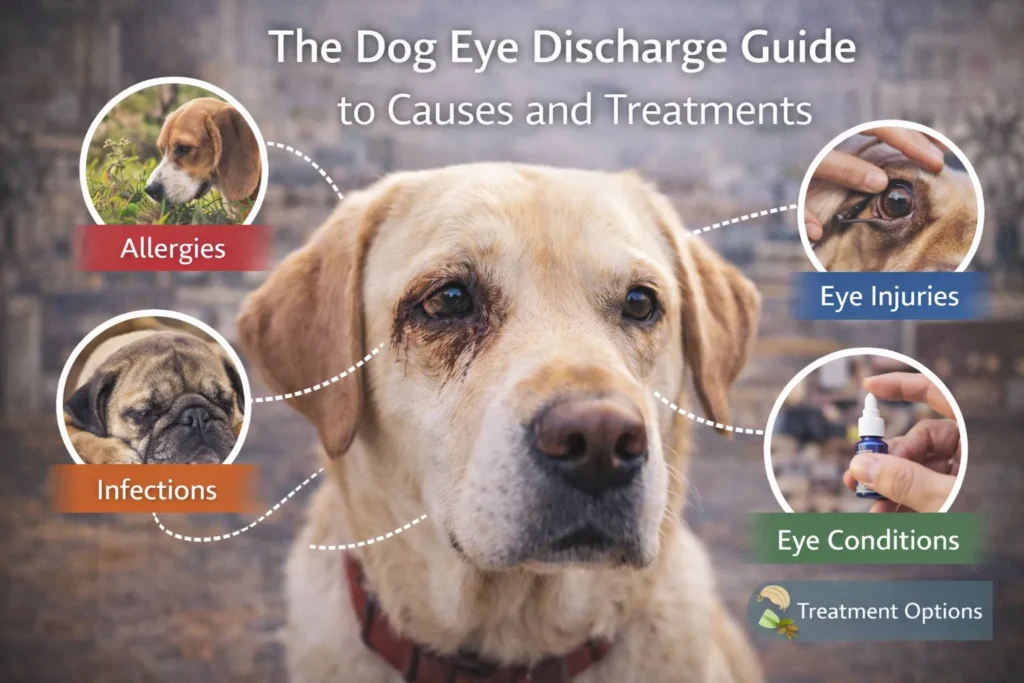
Give 1 milligram of plain diphenhydramine per pound of body weight, usually 2 to 3 times daily at 8 to 12 hour intervals, but check with your veterinarian before the first dose and make sure the product contains only diphenhydramine. A lot of owners focus on the math first, but the bigger safety step is buying the right Benadryl formula.
If you’re reading this because your dog has itchy skin, a swollen face after a sting, or seems miserable after a car ride, you’re probably standing in the medicine aisle or staring at a bottle in your cabinet. That’s where mistakes happen. The label matters just as much as the dose.
Benadryl can be useful in dogs when a veterinarian says it fits the problem. It can also be the wrong choice, the wrong product, or the wrong timing. The safest way to think about how much benadryl for dog is this: first confirm the product, then calculate the dose, then monitor your dog closely.
Is Benadryl Safe for Your Dog?
For many dogs, Benadryl can be used safely with veterinary approval. That said, safe use depends on more than body weight. The reason you’re reaching for it matters, your dog’s medical history matters, and the exact product in your hand matters.
A common real-life example is a dog that gets a bee sting and develops mild facial swelling or hives. In situations like that, a veterinarian may tell you to use diphenhydramine. But if your dog is having trouble breathing, collapses, or looks suddenly weak, that isn’t a Benadryl-at-home situation. That needs urgent veterinary care.
What Benadryl can and can’t do
Benadryl is often used for mild allergic signs, some motion sickness, and sometimes as part of a plan for mild situational anxiety. It is not a cure-all for itching, coughing, skin infections, ear problems, or severe allergic emergencies.
Benadryl can help with symptoms, but it doesn’t diagnose the cause. A rash could be allergies, or it could be something completely different.
That’s the part owners often don’t get warned about. If your dog is scratching nonstop, shaking the head, or has red eyes, the symptom alone doesn’t tell you the diagnosis. For cat owners dealing with a similar question, this cat Benadryl guide is a useful reminder that human medications always need species-specific caution.
A safer way to think about it
Before giving any dose, ask yourself:
- Is this mild or urgent: Mild itching or a sting reaction is very different from breathing trouble.
- Does my dog have other health issues: Eye disease, breathing problems, seizure history, and other conditions can change the risk.
- Am I treating the right problem: Benadryl may reduce symptoms, but it won’t fix infections, parasites, or many chronic skin issues.
If you’re ever torn between “wait and see” and “call the vet,” call the vet. That’s usually the better move.
Choose the Right Benadryl Product
The most dangerous mistake isn’t usually giving slightly too little. It’s giving the wrong Benadryl product entirely.
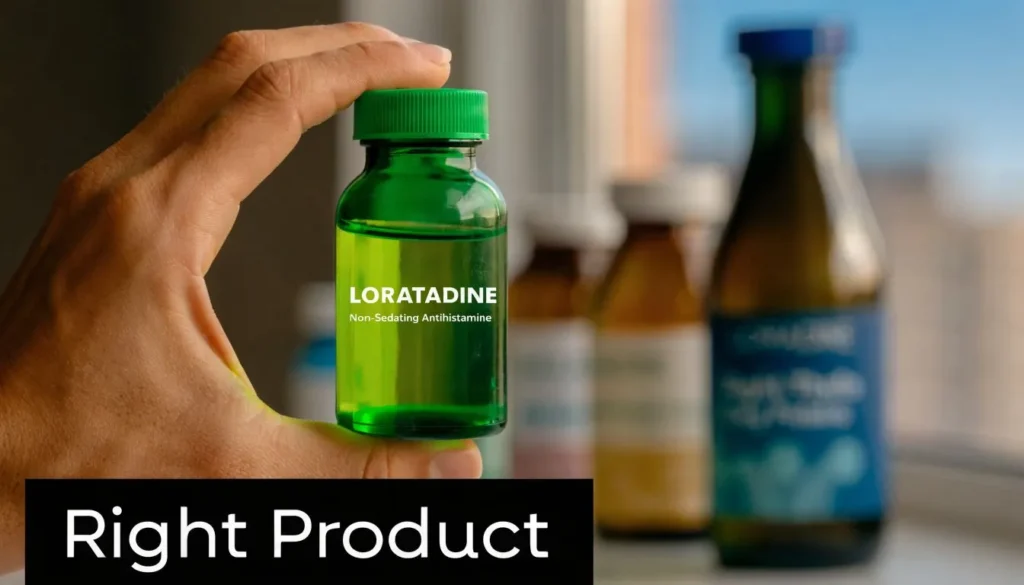
Many people assume anything with “Benadryl” on the box is fine for dogs. It isn’t. According to veterinary guidance on Benadryl product safety, only plain diphenhydramine formulations should be used for dogs, and many combination products contain acetaminophen (Tylenol) or phenylephrine, which can cause serious harm or death.
The label check that matters most
Turn the package over and read the active ingredients. You want to see diphenhydramine and nothing extra.
Avoid products that add:
- Acetaminophen: This is a major red flag for dogs.
- Phenylephrine: Decongestants are not safe to casually give to dogs.
- Multiple symptom ingredients: “Cold and flu,” “sinus,” and “severe allergy” formulas are where problems often hide.
If the label looks busy, skip it.
Practical rule: If the front of the box promises relief for more than one kind of problem, stop and read the ingredient panel before you even think about dose.
Tablets, capsules, or liquid
For many medium and large dogs, plain tablets are the simplest option because the strength is easy to work with. A standard tablet often contains 25 milligrams of diphenhydramine.
For dogs under 25 pounds, veterinary guidance commonly points owners toward children’s liquid Benadryl at 12.5 milligrams per 5 milliliters because it allows finer dosing and avoids trying to split tablets into rough fractions. That can make life much easier when you’re dosing a very small dog and trying not to guess.
What works better in practice
In day-to-day use, the safest buying approach is simple:
- Pick plain diphenhydramine only
- Double-check the active ingredient panel
- Use liquid for small dogs when your veterinarian agrees
- Call your vet if you’re unsure about a store-brand generic
Brand name versus generic isn’t the key issue. The ingredient list is.
Calculate the Correct Benadryl Dose by Weight
Once you’ve confirmed the bottle contains only diphenhydramine, the dosing math is straightforward. The standard rule is 1 milligram per pound of body weight, given 2 to 3 times daily. The Chewy veterinary dosing guide for dogs also notes the Merck Veterinary Manual clinical range of 2 to 4 milligrams per kilogram, or about 0.9 to 1.8 milligrams per pound.
Tablet dosing
If you’re using standard 25 mg tablets, match the milligrams to your dog’s weight.
Examples:
- A 25-pound dog gets one 25 mg tablet per dose.
- A 50-pound dog gets two 25 mg tablets per dose.
That simple 1 mg per pound rule is why owners hear it so often. It keeps the math practical.
Liquid dosing
Children’s liquid Benadryl commonly contains 12.5 mg per 5 mL, which equals 2.5 mg per mL. To calculate the liquid dose, divide your dog’s weight in pounds by 2.5.
Example:
- A 10-pound dog needs about 4 mL per dose.
This is often the cleaner option for toy breeds because you can measure the dose more accurately than trying to cut a tablet into tiny pieces.
Benadryl dosing chart for dogs
| Dog’s Weight (lbs) | Dose (Tablets – 25mg) | Dose (Liquid – 12.5mg/5mL) |
|---|---|---|
| 10 | 10 mg | 4 mL |
| 20 | 20 mg | 8 mL |
| 30 | 30 mg | 12 mL |
| 40 | 40 mg | 16 mL |
| 50 | 50 mg | 20 mL |
| 60 | 60 mg | 24 mL |
| 70 | 70 mg | 28 mL |
| 80 | 80 mg | 32 mL |
| 90 | 90 mg | 36 mL |
| 100 | 100 mg | 40 mL |
Three dosing mistakes I see owners make
The first is using the right dose with the wrong product. That’s the biggest risk, and it’s why I put the label check before the math.
The second is rounding too casually for small dogs. With a tiny dog, a little measuring error matters more, so liquid is often easier.
The third is forgetting frequency. This is not something to keep repeating all day. Stay within the schedule your veterinarian recommends.
If your dog falls between chart weights, don’t improvise with combination pills or odd strengths. Ask your veterinarian or pharmacist how to measure plain diphenhydramine safely.
When and How to Administer Benadryl
Benadryl tends to make the most sense when you’re dealing with a mild allergic reaction, mild motion sickness, or a situation where your veterinarian has already said it may help with temporary sedation before travel or noise stress.
If your dog is scratching but also has a bad smell from the ears, shaking the head, or seems painful, don’t assume Benadryl is the fix. Problems like that often need an exam. If that’s what you’re seeing, this guide on why a dog keeps shaking its head can help you think through other common causes.
When it may be appropriate
Benadryl may be used, with veterinary guidance, for:
- Mild allergic flare-ups: Hives, mild swelling, itchy skin.
- Car ride nausea or motion sickness: Some dogs do better when given diphenhydramine ahead of time.
- Situational drowsiness: In some cases, veterinarians use it before a stressful event.
The Kingsdale veterinary guidance states that diphenhydramine may be used preemptively at 1 to 2 mg/lb, 30 to 60 minutes prior for motion sickness or anxiety, while also noting sedation as part of its effect in the central nervous system in dogs. That same source also stresses checking for contraindications and drug interactions before use.
How to give it without a fight
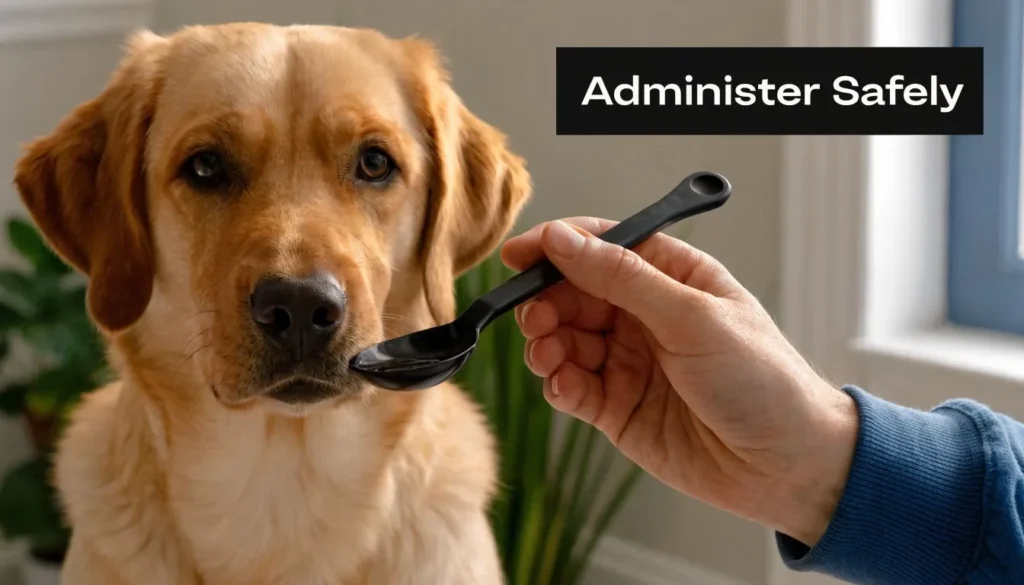
Tablets are easiest when tucked into a small treat or pill pocket. If your veterinarian says food is fine with the medication, that usually makes dosing less stressful for everyone.
Liquid works best with a marked oral syringe. Aim into the cheek pouch, go slowly, and don’t force the whole amount too fast.
This short video shows the kind of calm, controlled approach owners should aim for at home:
When not to rely on it
Don’t use Benadryl as your plan for severe swelling, collapse, breathing trouble, or any rapidly worsening reaction. At that point, time matters more than home treatment.
Risks, Side Effects, and Overdose Signs
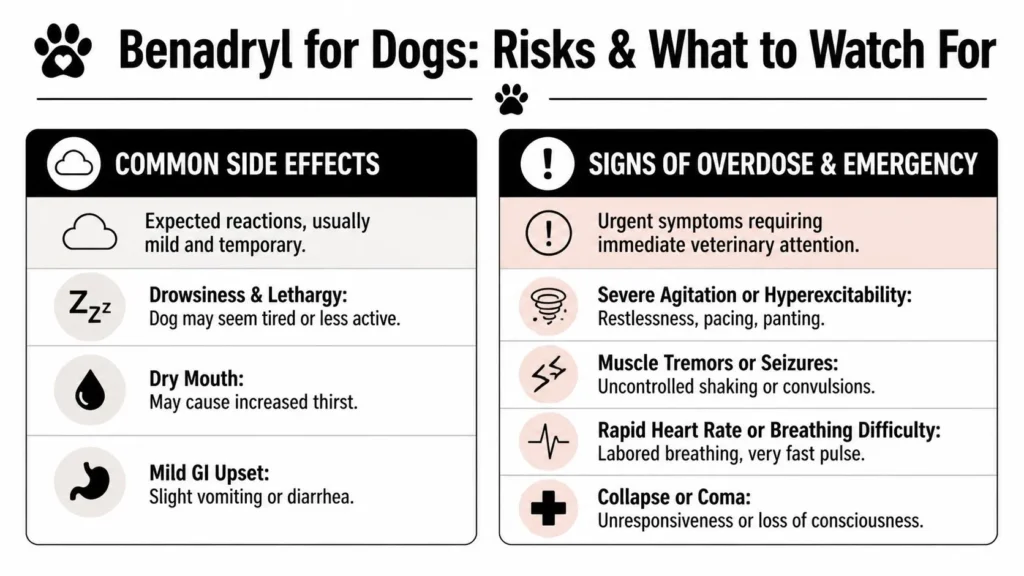
Most dogs that take the correct product at the correct dose don’t have a dramatic reaction. The more typical issue is that they get sleepy, act a little dry-mouthed, or seem slightly off for a while. The problem is that overdose signs can start with behavior changes too, so owners need to know the difference.
Common side effects
Mild side effects are usually temporary and easier to monitor at home. These often include:
- Drowsiness: Your dog may nap more or move slower than usual.
- Dry mouth: Some dogs seem thirstier after a dose.
- Mild stomach upset: Vomiting or diarrhea can happen.
Those effects aren’t pleasant, but they aren’t automatically a crisis if your dog is otherwise stable.
Signs that need urgent veterinary attention
Call a veterinarian right away if you see:
- Severe agitation or hyperexcitability
- Muscle tremors or seizures
- Rapid heart rate or breathing difficulty
- Collapse or unresponsiveness
Those are not “wait and see” signs.
A dog that’s a little sleepy after Benadryl may just be experiencing the expected sedative effect. A dog that becomes frantic, trembly, or hard to rouse needs immediate help.
Safety limits and dogs that need extra caution
The Kingsdale Benadryl safety guidance for dogs states that the maximum daily cap is 3 mg/lb divided into 2 to 3 doses. That same guidance notes that obese or geriatric dogs may need a 25 to 50 percent dose reduction because reduced clearance can raise the risk of accumulation and toxicity. It also lists glaucoma as a contraindication because diphenhydramine may increase intraocular pressure.
That matters in practice because some dogs don’t clear the medication as predictably as a healthy adult dog. Older dogs, overweight dogs, and dogs on other sedating medications deserve a phone call to the vet before the first dose.
If you’re also using calming sprays, essential oils, or diffusers at home, be careful about layering unproven remedies on top of medication. Some owners don’t realize that household products can create their own safety issues. This overview of whether lavender is toxic to dogs is worth a look if that’s part of your setup.
Always Consult Your Veterinarian First
You check the label, do the math, and still hesitate before giving the tablet. That pause is useful. Benadryl can be reasonable for some dogs, but the decision should start with your veterinarian, not the dosing chart.
The first question is not only how much to give. It is whether Benadryl is the right drug for the problem in front of you. A dog with itching may have allergies, but fleas, a skin infection, ear disease, or a reaction that needs faster treatment can look similar at home. A dog with a swollen face, repeated vomiting, trouble breathing, or sudden collapse needs urgent veterinary care, not home dosing advice.
Your vet also helps with the part owners cannot safely guess. They can confirm that you bought the correct Benadryl product, plain diphenhydramine only, and not a cold-and-flu formula with added ingredients that can be dangerous for dogs. In practice, that product check prevents more trouble than the dose calculation itself.
Some dogs also need a different plan even when the product is correct. Puppies, seniors, dogs with glaucoma, dogs with heart disease, and dogs taking other sedating or interacting medications deserve a quick call before the first dose. That is how you catch the quiet risks before they become an emergency.
Use articles like this to prepare good questions and to double-check the bottle in your hand. Use your veterinarian to decide whether Benadryl belongs in your dog’s treatment plan at all.
Frequently Asked Questions About Benadryl for Dogs
Can I give my dog Benadryl to help them sleep during travel?
Sometimes veterinarians use diphenhydramine before travel because of its sedating effect, but sleepiness isn’t the same as reduced anxiety. Some dogs also have the opposite reaction and become more restless. If travel is the issue, ask your vet whether Benadryl fits your dog’s situation before relying on it.
Is Benadryl cream safe to put on my dog’s skin?
I don’t recommend making that assumption on your own. Dogs lick topical products, and skin problems often need a diagnosis before treatment. If the issue is localized itching, redness, or a rash, ask your veterinarian what form of treatment makes sense rather than reaching for a human cream.
How long does Benadryl take to work in dogs?
It doesn’t work instantly. Give it time, and watch your dog rather than redosing too early. If your dog is getting worse instead of better, stop treating it like a simple home-care problem and contact your veterinarian.
If you want more plain-English pet guides, health explainers, and practical articles written for everyday readers, visit maxijournal.com. It’s a broad independent magazine that covers pets along with science, health, travel, arts, entertainment, and more.
Discover more from Maxi Journal
Subscribe to get the latest posts sent to your email.