What kind of Cycladic trip do you want from Naxos: a string of beach stops, or an island that gives you coast, villages, food traditions, ancient sites, and working craft in the same week?
Naxos rewards travelers who plan for range. The island is large enough that your day can start with a swim, shift inland to a marble village or a cheese producer, and end back on the waterfront for sunset. That variety is a key advantage here, and it is why Naxos suits travelers who want more than a resort routine.
A good Naxos itinerary balances the obvious sights with the places that explain how the island operates. Kastro and the Portara deserve their place on any first visit. So do the quieter experiences that many beach-first guides skim past, including old quarry areas, mountain settlements, winery stops, and village food made with local milk, potatoes, citron, and olive oil.
That mix also affects the practical side of the trip.
If you stay only around Chora and the southwest beaches, Naxos feels easy and familiar. If you want the island at its best, set aside time for the interior and decide early whether you will rent a car, use buses selectively, or join a few organized excursions. The coast is straightforward. The cultural side takes a little more planning, and it pays off.
This guide focuses on both. You will still get the headline stops, but the goal is a more rounded version of Naxos, one that includes its sculptural heritage, religious and Venetian history, village life, and food traditions alongside the beaches people come for first.
1. Explore the Venetian Castle (Kastro) of Naxos Town
Want a quick way to understand why Naxos feels different from a beach-only Cycladic stop? Start in Kastro. The old Venetian quarter shows how the island’s history still sits inside daily life, with homes, small courtyards, churches, and museum spaces folded into the same maze of lanes.
Kastro is best explored on foot without a rigid route. The streets are narrow, the paving can be slick in worn spots, and the grades are steeper than they first look from the harbor. Early morning is the easiest time for photos and walking comfort. Late afternoon is better if you want softer light and a livelier atmosphere once cafés start filling again.
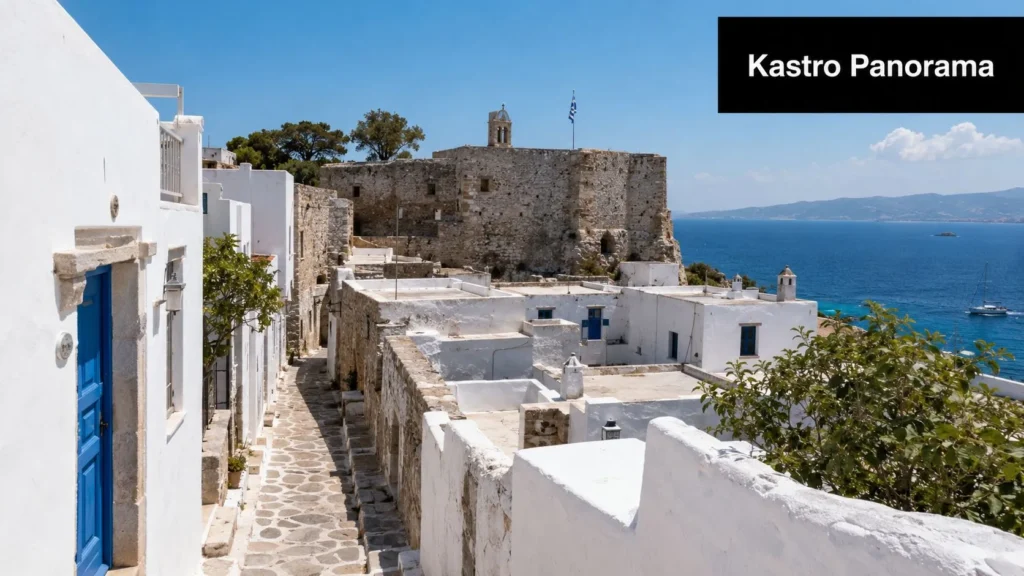
How to make Kastro worth your time
Give it at least 60 to 90 minutes. Less than that usually turns into a rushed uphill walk, one viewpoint, and a retreat back to the waterfront. Kastro rewards travelers who slow down enough to notice the shifts between aristocratic Venetian architecture, Orthodox churches, and the everyday rhythm of Chora around them. It also gives useful context for the rest of the island, especially if you plan to spend later days visiting mountain villages, old quarry areas, and producers keeping older crafts and food traditions alive.
The Archaeological Museum adds substance if you want more than atmosphere. Its setting inside a former historic school building suits the district well, and even a short visit helps connect the old town to the island’s longer story of trade, worship, and stonework.
A practical approach:
- Go before the heat builds: Midday sun makes the climb feel harder than it is.
- Wear shoes with grip: Smooth stone and steps can be awkward in flat sandals.
- Take the side alleys: The quieter corners are usually more memorable than the main passage.
- Combine it with a museum, coffee, or lunch: Kastro works best as part of a half-day in Naxos Town, not as a rushed photo stop.
One trade-off is timing. If you visit during the busiest evening hours, the quarter feels more animated, but it also loses some of its older, quieter character. If you go early, you get more space and a better sense of the place itself, but fewer open shops and less energy. I usually prefer an early pass for the walk, then return later only if I want dinner nearby.
Practical rule: If you only have one hour in Kastro, choose one loop, stop at a viewpoint, and spend the rest of the time noticing details. Doors, coats of arms, chapels, stone passages, and small sea glimpses tell you more than trying to cover every lane.
2. Visit the Temple of Apollo (Portara Monument)
What makes Portara more than a standard sunset stop? Context. This solitary marble doorway is the surviving entrance of an unfinished ancient temple, and seeing it early in your trip helps frame the rest of Naxos. You start to notice how much of the island’s identity is tied to stone, craft, and long continuity, not just beaches and tavernas.
The setting does part of the work. Portara sits on the islet of Palatia at the edge of the harbor, so the approach is easy, but the monument still feels exposed and dramatic once you step onto the causeway. From close up, the scale is clearer than it looks in photos, especially when you watch people pass through the opening and realize how massive the marble blocks are.
Sunset draws the biggest crowd for good reason. The light is warm, the harbor glows, and the silhouette is one of the classic Cycladic views. The trade-off is simple. Expect company, phones in the air, and less room to linger at leisure. Early morning is better for anyone who wants cleaner photos, cooler temperatures, and a calmer read on the site itself.
Go with a small plan. Bring water, wear shoes with grip, and do not expect shade. The walk out is short, but the wind and reflected heat off the stone can make it feel harsher than it looks from town.
I usually recommend pairing Portara with one cultural stop rather than treating it as a standalone photo errand. Visit it after exploring Chora, or use it as a visual prelude before heading inland on another day to the marble quarries and village workshops that explain where Naxos’ long stone tradition comes from. For travelers who collect iconic coastlines across the Mediterranean, this view belongs in any mental shortlist of beautiful beaches and seaside settings around the world, even though Portara’s pull is history more than swimming.
If you only go once, choose the time based on your priority. Choose evening for atmosphere. Choose morning for space.
3. Relax on Agios Georgios Beach
Agios Georgios is the beach that proves convenience doesn’t always mean compromise. Because it’s right by town, some travelers assume it’s only a fallback. In practice, it’s one of the most useful beaches on the island, especially on a short stay.
You can swim without turning beach time into a logistics exercise. That’s the advantage here. If you’re based in Chora, you can walk over for a morning dip, head back for lunch or a shower, and return later for sunset without losing half a day in transit.
Why this beach works so well
The beach has a social, easygoing feel. You’ll see families, couples, solo travelers, and locals mixing naturally. That makes it a good first beach in Naxos because you don’t need to plan much to enjoy it.
For travelers comparing island coastlines, broader inspiration on standout shorelines can be found in this guide to the most beautiful beaches in the world, but Agios Georgios earns its place for practicality rather than spectacle alone.
Use it when:
- You arrive late: It gives you a proper beach session without a car.
- Wind changes your plan: Town access makes it easier to pivot.
- You want low-friction swimming: No long drive, no complicated setup.
- You prefer sunset dinner nearby: The beach-to-taverna transition is easy.
The trade-off is simple. If you want a remote, undeveloped feeling, this isn’t that. If you want a dependable beach that fits around real travel days, it’s one of the smartest choices on the island.
4. Discover Marble Quarries and Sculptural Heritage
Many Naxos itineraries remain too shallow. People photograph ancient marble and then move on without asking where the material came from or how it shaped the island. If you care about craft, history, or the island’s environment, the marble story is one of the most distinctive things to pursue here.
Naxos has long been associated with marble, and you feel that legacy not just in ruins but in the island’s aesthetic language. Stone villages, carved details, sculpture workshops, and quarry areas all connect back to it. This is one of the experiences that separates Naxos from a generic Cycladic beach itinerary.
A visual introduction helps before you go deeper:
What works better than a casual stop
The biggest mistake is treating marble heritage as a roadside photo opportunity. You’ll get far more from it if you pair a quarry area or marble-related stop with a village known for craftspeople, then spend time in a studio or shop where someone is still working in stone.
A good day here usually includes three pieces:
- A natural setting stop: To understand the raw material and terrain.
- A workshop visit: To see how the tradition survives in practice.
- A village walk: To notice how stone is used in everyday architecture.
If you have a car, this is easier to shape on your own. If you don’t, ask locally which village studios are realistically reachable that day. Naxos is large enough that “nearby” on a map can still mean awkward timing on the ground.
Buy directly from artisans if something speaks to you. On an island full of souvenir temptations, carved marble is one of the purchases that can feel rooted in place.
5. Hike to Apiranthos Village and Mountain Villages
Want to see the version of Naxos that beach-only itineraries miss? Go inland for a walking day centered on Apiranthos and one or two smaller mountain villages, and the island starts to make more sense.
Apiranthos is the obvious anchor because it feels different from the coast in both architecture and pace. The village is built in stone, the lanes are tighter, and the mountain setting gives the day a more grounded, lived-in feel than the resort strip. If you care about culture as much as scenery, this is one of the strongest additions to a Naxos itinerary.
The trade-off is simple. Inland village days take more planning than a beach stop. Distances on Naxos can look manageable on a map, but road curves, bus timing, and heat slow everything down. If you have a car, combine Apiranthos with a short walk and a second village stop. If you do not, keep the plan narrower and allow extra time so the day does not turn into a transport exercise.
Apiranthos works best as part of a cultural route, not just a lunch stop. Walk first, then sit down to eat, then give yourself time for the quieter details: stone alleys, old houses, small shops, and the mountain views that open up once you step away from the main stretch. That slower rhythm is what makes inland Naxos memorable.
If you usually seek out places that still feel local rather than heavily packaged, this guide to hidden European destinations with real character matches the kind of traveler who tends to enjoy mountain Naxos.
The best village day leaves room for one unplanned turn, one long lunch, and one conversation you could not have had in Chora.
A practical hiking day here usually goes better if you:
- Start early: Morning light is better, and exposed stretches feel much easier before the heat builds.
- Carry enough water: Village stops do not mean shade on the trail.
- Use an offline map or ask locally: Old footpaths and road connections are not always obvious on the ground.
- Wear proper shoes: Stone paths can be polished, uneven, and slippery in places.
- Keep the route realistic: One good walk and one village meal usually beats trying to cover half the island in a day.
Chalki, Filoti, and smaller inland settlements are good alternatives if Apiranthos feels too obvious or too far for your schedule. I would choose Apiranthos for stronger mountain character, Chalki for an easier village wander, and Filoti if you want a more lived-in local feel with less of a day-trip sheen. That mix of walking, food, architecture, and everyday village life is what gives Naxos more depth than a standard Cycladic beach holiday.
6. Swim and Snorkel at Plaka Beach
Want a beach on Naxos that still leaves room to breathe after you’ve spent time in villages, quarries, and old streets? Plaka is one of the best choices. It gives you a long sandy coast, clear water, and enough space to shape the day around your own pace instead of a fixed beach setup.
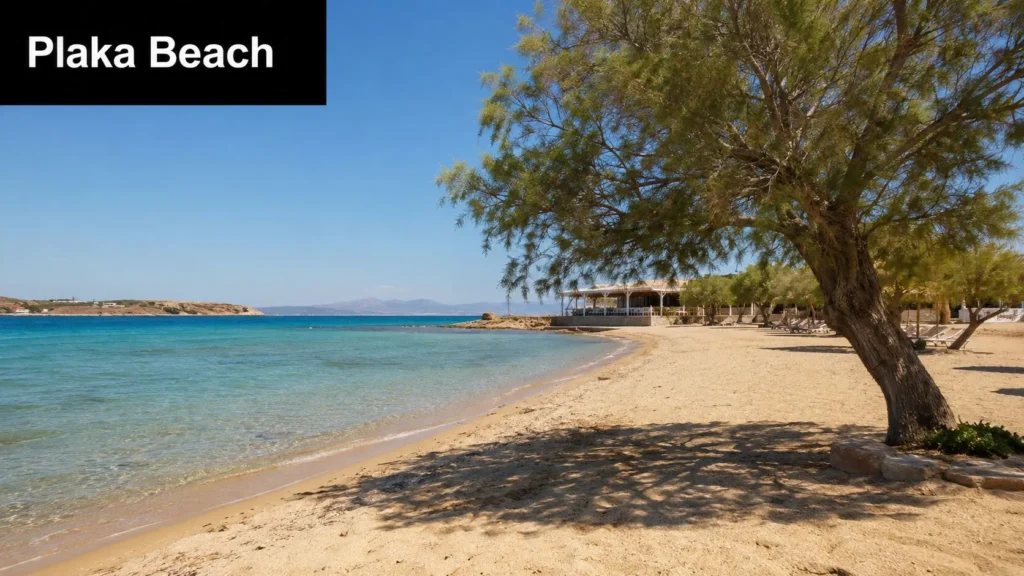
Plaka works best for travelers who want more than a quick swim. Go here if you want a proper half-day or full-day beach stop, with time to walk, swim, and settle into a quieter stretch away from the busiest entrances. The practical advantage is flexibility. You can stay near sunbeds and tavernas or keep walking until the beach feels much less organized and far more open.
Snorkeling here is decent, but it helps to set expectations correctly. Plaka is stronger as a swimming beach than as a standout snorkel site. Water clarity is often good, especially in calmer conditions, but the seabed is mostly sandy, so you come for relaxed viewing rather than dramatic marine life or rocky formations. If snorkeling is the main goal, bring your own mask and fins and aim for the edges or any rockier patches you can reach safely.
A few decisions make the day better. Wind matters. On breezy days, the water can lose some of that clear, easy-going feel, and swimming becomes less appealing for inexperienced swimmers. Shade also matters. Parts of Plaka are lightly serviced once you move away from the main access points, so bring water, sun protection, and anything you will want for several hours rather than assuming you can buy everything nearby.
Transport is the main trade-off. With a car, Plaka is easy to combine with a slow coastal day. Without one, it still works, but timing matters more, and the beach feels less convenient than Agios Georgios for a spontaneous dip. I would choose Plaka when the beach itself is the plan, not when I only want an hour by the water.
That longer, slower format is exactly why Plaka fits a broader Naxos itinerary so well. After a morning in mountain villages or a visit tied to the island’s craft traditions, an afternoon here gives you the classic Cycladic beach experience without reducing Naxos to beaches alone.
7. Experience Wine Tasting and Local Winery Tours
Want a break from beaches that still feels rooted in Naxos itself? Spend an afternoon with the island’s vineyards, then tie that tasting to the farms, villages, and table traditions that make Naxos more than a summer swim stop.
Wine works best here as part of a wider inland day. Pair a winery visit with time in the mountain villages, a stop connected to marble heritage, or a long lunch built around local cheese and seasonal dishes. That combination gives you a fuller picture of the island’s working culture, not just its postcard side.
Make it part of a food day
A winery visit can be memorable on its own, but it usually lands better with context. Ask what is grown nearby, what changes in the dry season, and which bottles locals drink with Naxian cheeses, roasted meats, or village mezze. Those conversations are often more useful than a formal tasting vocabulary lesson.
A few practical choices make a big difference:
- Book ahead in summer: Smaller wineries may only host tastings at set times, and some are not staffed for casual drop-ins.
- Keep the schedule light: One winery and one substantial village stop is enough for a satisfying half day.
- Arrange transport before you start tasting: The inland roads are manageable, but this is a poor day to make last-minute driving decisions.
- Buy a bottle only if you can store it properly: A hot car all afternoon is not ideal for wine.
- Ask about pairings with local products: Wine makes more sense on Naxos when you taste it against the island’s cheese, olives, and cooked dishes.
There is a real trade-off here. If your priority is maximizing sea time, a winery afternoon will feel slower and less visually dramatic than the coast. If you want an itinerary with range, it is one of the easiest ways to add depth without committing to a long hike or a full archaeological day.
I would choose wine tasting on Naxos for the same reason I would visit a quarry or dairy here. It shows how the island produces things, not just how it entertains visitors. That is usually what separates a pleasant holiday from a trip you remember clearly months later.
8. Visit Traditional Villages and Cheese-Making Facilities
If you want the most distinctly local food experience on Naxos, start with cheese. Beach tavernas are enjoyable, but village dairy culture gets you closer to the island’s working identity. Here, pastoral traditions stop being brochure language and become visible in meals, shops, and producer visits.
Cheese-related stops also work well for travelers who want substance without a hard hike. You still get inland scenery and village atmosphere, but the day centers on taste, conversation, and tradition rather than physical effort alone.
What to prioritize
Look for facilities, cooperatives, or village producers where someone can explain process, not just sell product. Even a short explanation changes the visit. You understand what you’re tasting and why dairy matters so much here.
A stronger Naxos itinerary also asks which experiences still feel local rather than tourist-standard. Existing coverage often mentions items like Kitron tasting and seasonal events, but doesn’t always separate rooted experiences from generic tourist filler, as discussed in this analysis of what feels genuinely distinctive on Naxos.
Try this approach:
- Combine cheese with a village lunch: You’ll taste products in context.
- Bring an insulated bag if you’re moving on quickly: It makes purchases easier.
- Ask what locals buy: That’s often more useful than asking for the “best” cheese.
- Visit earlier in the day when possible: Producers are often easier to catch before afternoon slowdowns.
This experience won’t suit travelers chasing polished luxury. It suits people who’d rather understand a place through what it makes and eats.
9. Explore Beaches and Water Sports (Kitesurfing and Windsurfing)
Naxos has enough beach variety that water sports don’t need to dominate your whole trip, but if wind is part of why you came, the island delivers. The key is choosing whether you want to participate, watch, or combine a sporty beach with a calmer swimming stop later in the day.
That’s important because not every beach mood matches every traveler. A wind sports beach can feel exciting and photogenic, but if what you want is lazy swimming with little setup, you’ll be happier elsewhere.
Pick your beach by purpose
Separate beaches in your planning by function. One for wind and lessons. One for straightforward swimming. One for long, relaxed lounging. That simple distinction saves a lot of disappointment.
If you’re booking lessons or spending extended time outdoors with children, basic preparation matters more than people think. This guide to sun safety for beach-loving families is a useful refresher before a full day on exposed sand.
A few ground rules help:
- Book lessons with established centers: Equipment quality and instruction matter.
- Don’t set up beside active sports zones if you want a calm swim: Pick your section carefully.
- Respect the wind: Conditions that look fun from shore can feel different in the water.
- Leave room for recovery: A lesson plus a long inland drive in the same heat-heavy day can be too much.
For many travelers, the smartest move is one lesson or one viewing session, not building the whole itinerary around it.
10. Day Trip to Sacred Isle of Delos and Nearby Islands
A day trip off Naxos makes sense only if you’ve already given the island enough time. If your stay is short, stay on Naxos. It has more than enough range. But if you have several days and want a major archaeological contrast, Delos is the most compelling add-on.
The appeal is obvious for history-minded travelers. Delos gives you a site of major significance in the Cyclades, and it works especially well after you’ve already seen the Portara because your trip starts to form a wider ancient-world thread rather than isolated stops.
When an off-island day is worth it
Choose Delos if archaeology is a core reason you’re in Greece. Choose another easy island day only if you specifically want contrast in atmosphere. Don’t book an island-hopping excursion just because it feels efficient. Packed transport days can flatten the experience.
If you’re still shaping a wider trip through the region, this broader list of top travel destinations in Europe can help place Naxos and nearby islands into a smarter multi-stop route.
Delos is best for travelers who enjoy ruins in heat and open terrain. If that already sounds tiring, don’t force it because the site is famous.
Bring water, a hat, and patience for ferry timing. This is a worthwhile day for the right traveler, but it isn’t a “rest day.” It’s a history day.
Top 10 Naxos Activities Comparison
| Attraction | Implementation complexity | Resource requirements | Expected outcomes | Ideal use cases | Key advantages |
|---|---|---|---|---|---|
| Explore the Venetian Castle (Kastro) of Naxos Town | Low, casual walking with some stairs | Comfortable shoes, water, 2–3 hours | Immersive historical atmosphere, panoramic photos | Cultural sightseeing, photography, short heritage visits | Authentic medieval streets, museum, close to port |
| Visit the Temple of Apollo (Portara Monument) | Very low, short walk on causeway | Sun protection, water, 30–45 minutes | Iconic photography, dramatic sunset views, basic archaeology | Sunrise/sunset photography, quick historical stop | Monumental marble gateway, free access, scenic views |
| Relax on Agios Georgios Beach | Low, beach access from town | Beach gear, optional rental or parking, 2–4 hours | Swimming, family-friendly relaxation, dining | Families, casual swimmers, social beach days | Highly accessible, amenities, lifeguards, water sports options |
| Discover Marble Quarries and Sculptural Heritage | Medium, guided tours and site visits advised | Transport, sturdy footwear, guide booking, full day | Educational craft insight, artisan purchases, commissioning | Arts/culture enthusiasts, students, collectors | Hands-on marble craft, support local artisans, unique souvenirs |
| Hike to Apiranthos Village and Mountain Villages | Medium, variable trail difficulty and navigation | Good hiking shoes, water, maps/guide, half–full day | Authentic village life, panoramic views, exercise | Hikers, slow-travelers, cultural immersion seekers | Preserved architecture, quiet villages, local interactions |
| Swim and Snorkel at Plaka Beach | Low–Medium, requires transport from town | Car/transfer, snorkeling gear, half–full day | Tranquil beach experience, good snorkeling visibility | Snorkelers, peaceful beachgoers, nature lovers | Less crowded, natural shade, rich marine life |
| Experience Wine Tasting and Local Winery Tours | Medium, advance booking recommended | Transport or tour, booking, designated driver, 3–4 hours | Tasting local wines, education on terroir, purchases | Food and wine lovers, small groups, scenic outings | Personalized tastings, native varieties, scenic vineyards |
| Visit Traditional Villages and Cheese-Making Facilities | Medium, appointments often required | Transport, booking, cooler for purchases, 2–3 hours | Tasting artisanal cheeses, learning production, supporting farmers | Gastronomy tourists, food writers, cultural visitors | Authentic production methods, direct farmer support, tastings |
| Explore Beaches and Water Sports (Kitesurfing & Windsurfing) | Medium–High, lessons and safety briefings needed | Lessons/equipment rental, booking, safety gear, 2–4 hours/session | Skill development, adrenaline activities, community access | Active travelers, wind sports enthusiasts, multi-day learners | World-class wind conditions, professional instruction, varied spots |
| Day Trip to Sacred Isle of Delos and Nearby Islands | Medium, ferry logistics and full-day planning | Ferry ticket, sun protection, guide option, full day | In-depth archaeological learning, UNESCO site visit | History buffs, archaeology students, island-hopping itineraries | UNESCO heritage site, rich ruins and museum, guided tours available |
Planning Your Perfect Naxos Adventure
Naxos works best when you stop thinking in categories like beach day, culture day, or food day. The island is strongest when those overlap. You can walk medieval streets in the morning, eat in a mountain village at lunch, swim in the afternoon, and end at the Portara for sunset. Few Cycladic islands give you that range without feeling overbuilt or frantic.
That range is exactly why planning matters. Naxos is big enough that lazy assumptions can waste time. If you stay only around town, you’ll miss the inland identity that gives the island its depth. If you spend every day driving to remote corners, you can miss how enjoyable Chora and the town beaches are when used well. The best itineraries mix one easy day, one beach-forward day, one inland heritage day, and one day that stays flexible for wind, mood, or transport changes.
For many travelers, a smart structure looks like this. Start with Naxos Town, Kastro, and the Portara on arrival. Use Agios Georgios for an easy beach session when you don’t want to organize much. Dedicate another day to Plaka or a wind sports beach. Then give the interior proper time through Apiranthos, Chalki, marble heritage, wine, or cheese-making. That combination shows why Naxos isn’t just another stop on a Cyclades checklist.
Transport is the main practical decision. A car gives you freedom for quarries, villages, and beach-hopping, but it isn’t mandatory for every traveler. If you’re staying near Chora and prioritizing town life, nearby beaches, and selected bus-linked outings, you can still have a strong trip without driving. The trade-off is spontaneity. Car-free travel on Naxos rewards planning and punishes vague intentions.
Season and timing matter too. Famous places like the Portara are best when you think one step beyond the crowd. A second visit at an off-peak hour often beats trying to squeeze every “must-see” into prime time. The same logic applies to beaches and village lunches. Earlier starts usually buy you more comfort, more space, and better choices.
If you’re trying to decide what to cut, cut duplication. You don’t need five similar beaches. You don’t need every inland village in one day. You don’t need a packed excursion schedule just because the ferry network makes it possible. Naxos is better when you let one or two experiences breathe.
The travelers who leave happiest usually do one thing right. They allow Naxos to be both classic and specific. They see the Portara because it matters. Then they go further and spend time with the mountain villages, agricultural traditions, and local producers that make the island memorable after the photos are done. If you want a connected trip, not just a scenic one, that’s the balance to aim for. And if you need data on the go while moving between beaches, villages, and ferry plans, it helps to sort mobile access in advance with RoamFly eSIM options for Greece.
If you enjoy practical travel guides with a wider cultural lens, visit maxijournal.com for more destination coverage, fresh commentary, and approachable articles across travel, arts, culture, and beyond.
Discover more from Maxi Journal
Subscribe to get the latest posts sent to your email.