Can pizza be healthy if you only swap the crust, or does the rest of the pie still decide the outcome? That’s the gap most advice misses. People talk about cauliflower crust, vegan cheese, or “clean” toppings as if one smart ingredient automatically fixes pizza night. It doesn’t.
Healthy pizza ingredients work best when you treat pizza like a build, not a single food. The crust affects fiber and fullness. The sauce changes sodium and added sugar exposure. Cheese shifts moisture, richness, and saturated fat. Toppings can either add vegetables and lean protein or pile on processed meat and excess salt. Portion size still matters, but the ingredient choices absolutely shape whether your pizza feels like a balanced meal or just fast comfort food.
That matters more than many people realize. A peer-reviewed study in Nutrients showed that a nutritionally balanced pizza can be formulated as a single-item meal delivering 600 kcal per serving while keeping nutrients within recommended ranges. In the same study, fiber content ranged widely depending on ingredients, which tells you something useful right away: pizza isn’t automatically unhealthy. The build changes the result.
Public-health guidance points in the same direction. Healthier pizzas consistently lean on whole grains, more vegetables, and less-processed toppings rather than gimmicks or extreme rules, as outlined in World Cancer Research Fund guidance on making pizza healthier.
Here’s the practical blueprint. Start at the crust, work upward, and make each layer pull its weight.
1. Whole Wheat and Ancient Grain Crusts
Want the healthiest pizza upgrade that still tastes like pizza? Start with the base.
Whole wheat and ancient grain crusts do more than add a healthy label. They bring fiber, a more satisfying texture, and a fuller flavor than standard refined crust. They also make the rest of the pizza build work harder, because a sturdier, more flavorful base needs less cheese and fewer heavy toppings to feel complete.
As noted earlier, fiber content can vary a lot depending on how a pizza is built. Crust is one of the clearest places to improve that. In practice, that usually means choosing dough made with whole wheat, spelt, einkorn, or a grain blend instead of a fully refined white-flour base.
Why this crust choice works
A good whole-grain crust helps with fullness and brings a nuttier, more complex flavor. That is the upside.
The trade-off is texture. If the dough is poorly mixed, underproofed, or overloaded with whole-grain flour, it can bake up dense, dry, or tough. That is why many better recipes and pizzerias use a blend instead of 100 percent whole grain. You keep more flavor and fiber while still getting stretch, browning, and a crust that people want to eat.
Sourdough versions can work especially well here. Longer fermentation often improves handling and flavor, which matters because healthy pizza still has to feel satisfying.
Best options to look for
- Whole wheat blends: Usually the most practical choice for home cooks. Easier to stretch and less likely to turn heavy.
- Spelt crust: Slightly sweet, tender, and often easier to digest for some people, though it still contains gluten.
- Einkorn or heritage grain doughs: Good flavor, but they can be more delicate and harder to handle.
- Sourdough whole-grain crusts: Strong option if you want better chew and deeper flavor without relying on extra fat or cheese.
How to get a better result at home
- Use a blend, not just one flour: Start with part whole wheat and part all-purpose flour for a crust that stays light enough to rise well.
- Give the dough more time: A cold rise in the refrigerator improves flavor and usually makes shaping easier.
- Hydrate a little more: Whole-grain flours absorb more water, so stiff dough often leads to a dry crust.
- Preheat fully: A hot stone or steel helps whole-grain dough set quickly and brown before it dries out.
- Keep toppings balanced: This crust handles vegetables, tomato sauce, and moderate cheese well. It gets weighed down fast by too many wet or heavy toppings.
Practical rule: If a whole-grain pizza tastes heavy, the problem is often the dough method, not the grain itself.
For store-bought or restaurant pizza, read past the front-label wording. “Multigrain” does not always mean mostly whole grain. A crust made primarily from refined flour with a small amount of seeds or bran will not give the same result as dough built around whole-grain flour.
This is the strongest starting point for a healthier pizza blueprint because it improves the foundation without turning pizza night into a substitute for something else.
2. Cauliflower and Vegetable-Based Crusts
Cauliflower crust gets sold as a simple “healthy swap,” but that’s too simplistic. Some versions are vegetable-forward and useful. Others are mostly starches, cheese, or binding ingredients that only sound lighter than regular dough.
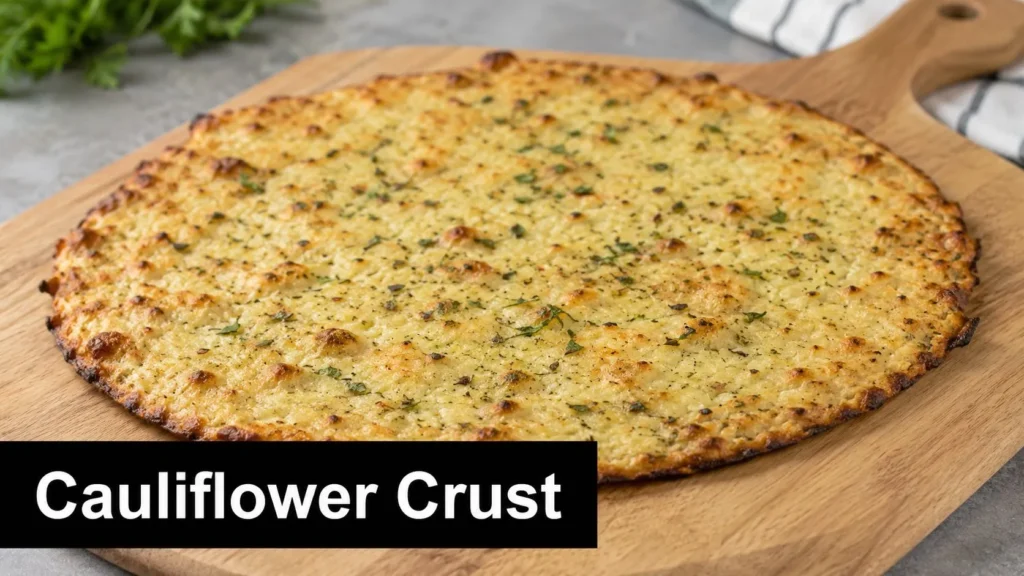
The biggest issue isn’t the idea. It’s moisture. One recipe source notes that excess moisture is the main reason homemade pizzas turn soggy, which is especially relevant for vegetable-based crusts and watery toppings, as discussed in this pizza technique video. If your cauliflower base collapses, that’s usually the reason.
When it helps and when it doesn’t
Cauliflower crust can work well if you want a lighter-feeling pizza or need an alternative to traditional dough. It also gives you a base that pairs nicely with stronger toppings like roasted peppers, olives, basil, or a lighter hand with cheese.
But it’s not automatically “better” than a thin whole-grain crust. Cleveland Clinic’s practical guidance focuses more broadly on whole-grain or thin crust, vegetables, low-fat cheese, and skipping processed meats, while also warning about sodium and saturated fat tradeoffs in toppings and sauces in its healthy pizza advice. That’s the right lens. Judge the whole pizza, not the label on the crust.
A vegetable crust only helps if the rest of the pizza doesn’t turn it into a moisture-heavy, cheese-loaded tray.
Here’s a useful visual if you’re comparing styles at home:
Better cauliflower crust habits
- Dry it aggressively: Pat cauliflower rice very dry before mixing.
- Pre-bake first: Give the crust time to set before adding sauce and toppings.
- Use drier toppings: Mushrooms, spinach, and tomatoes need pre-cooking or draining.
- Keep toppings light: Cauliflower bases usually perform best with less weight on top.
- Line the pan: Parchment makes transfer and browning easier.
Brands like Caulipower, Trader Joe’s, and Simple Mills have made this category more accessible, but the ingredient list still matters. A good cauliflower crust should earn its place through texture and balance, not just marketing.
3. Lean Protein Toppings
Pepperoni and sausage are familiar, but they’re rarely the smartest way to add protein. Lean toppings do a better job of making pizza feel like a meal instead of a salt-heavy snack.
Grilled chicken breast, turkey, and well-seasoned plant proteins all work. They add substance without the grease slick that can make a pizza heavy fast. In practical terms, that means you can build a satisfying pie without relying on processed meats that dominate the flavor.
Best choices for a balanced slice
For a simple, high-protein build, grilled chicken is hard to beat. Keep it seasoned, slice it thin, and distribute it lightly so each bite gets some without creating dry clumps. If you want a broader meal-planning approach, these high-protein breakfast ideas follow the same principle: use protein to anchor the meal, then let the rest of the ingredients add quality and variety.
Plant proteins can work well too, especially tempeh or seasoned tofu crumbles. The trick is to cook them before they hit the pizza. Raw plant proteins tend to taste flat and can release water as they bake.
For a quick nutrition reference on one common topping, PlateBird’s guide to chicken nutrition is useful background when you’re deciding between grilled chicken and processed meat.
What actually tastes good
- Marinate first: Chicken benefits from olive oil, lemon, garlic, and herbs before cooking.
- Cut smaller pieces: Thin strips or bite-size chunks spread more evenly.
- Season plant proteins well: Garlic, oregano, smoked paprika, and black pepper help.
- Add after some moisture control: Cook proteins fully before topping so they don’t leak liquid into the cheese.
Lean protein should support the pizza, not blanket it. Too much chicken can dry out a pie as quickly as too much sausage can overwhelm it.
Real-world examples are easy to find. MOD Pizza and Blaze Pizza commonly offer grilled chicken, and many independent pizzerias will substitute chicken or turkey if you ask. That customization matters. Pizza is one of the easiest meals to improve without making it feel restrictive.
4. Fresh Leafy Greens and Vegetables
Vegetables do more than decorate a pizza. They change its weight, fiber content, moisture, and how satisfying it feels to eat. If you want a healthier pie that still tastes like pizza, this layer deserves planning.
A good vegetable layer also fixes a common problem. Heavy cheese and dense toppings can make one slice feel rich but one-note. Greens, mushrooms, onions, tomatoes, broccoli, asparagus, and roasted garlic bring contrast, texture, and freshness, which makes the whole build taste more balanced.
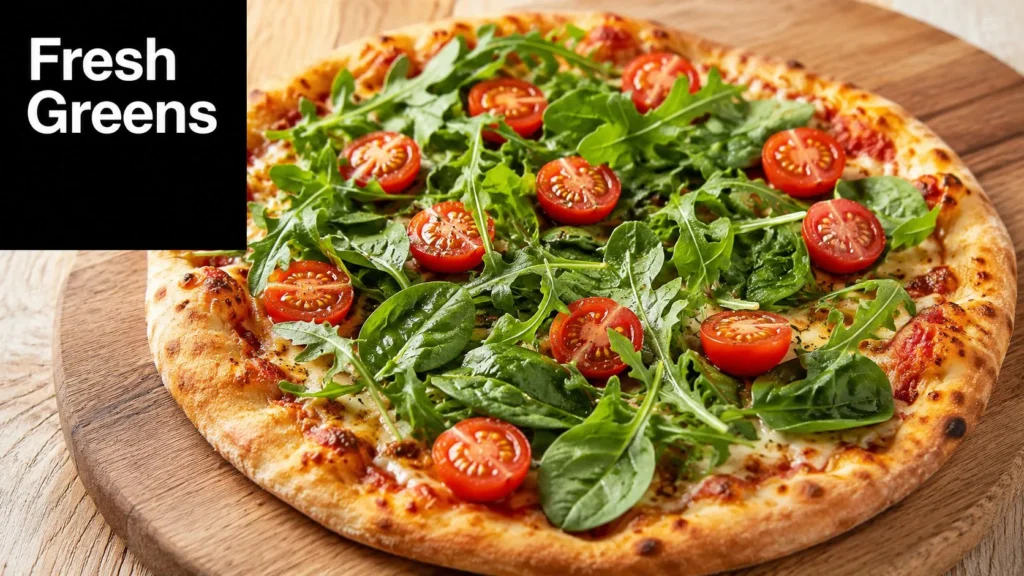
Match the vegetable to the stage of the build
The biggest trade-off is moisture. Some vegetables improve in the oven. Others are better after the bake.
Mushrooms, zucchini, eggplant, and bell peppers usually need a head start. A quick roast or sauté drives off water and concentrates flavor, so the crust stays firmer. Tender greens such as arugula, basil, and baby spinach work better as finishing ingredients because they wilt fast and keep more character outside the oven.
Asparagus is a good example of smart prep making the ingredient work harder. Shave it thin for quick cooking, or slice it small so it softens without turning stringy. If you want more ideas for using it well, this guide to the benefits of asparagus is a practical reference.
Best uses for common pizza vegetables
- Mushrooms: Roast or sauté first. They add savory depth and make a pizza feel meatier without adding processed toppings.
- Onions: Use thin slices or roast them first for sweetness. Raw thick-cut onions often stay sharp and undercooked.
- Bell peppers: Slice thin so they soften fully. Pre-cooking helps if you want a softer texture.
- Broccoli: Chop small and blanch or roast briefly. Large florets can dry out on top while staying tough at the stem.
- Cherry tomatoes: Add near the end or after baking if you want freshness. Long baking can flood the surface.
- Leafy greens: Scatter lightly after baking, or tuck a small amount under the cheese if you want them fully wilted.
One combination I use often is roasted mushrooms and onions under the cheese, then arugula and halved cherry tomatoes after baking. It gives you cooked depth and fresh contrast in the same bite.
Practical topping combinations that work
- Roasted mushrooms + spinach: Hearty, savory, and useful when you want less meat.
- Bell pepper + onion + tomato: Familiar flavor with more color and texture.
- Broccoli + garlic + chili flakes: Strong on thinner crusts that need assertive toppings.
- Arugula + roasted tomato: Peppery and bright, especially on lighter cheese builds.
Vegetable-heavy pizza usually eats more like a meal than a snack. The key is control. Prep the watery vegetables, finish the delicate ones fresh, and build each layer with a purpose instead of piling everything on raw.
5. Olive Oil and Healthy Fats
Healthy pizza doesn’t have to be low-fat. It has to use fat well. That usually means less dependence on processed meat and heavy cheese, and more use of olive oil, olives, nuts, seeds, or avocado in small, purposeful amounts.
Olive oil is especially useful because it carries flavor across the entire pizza. A light drizzle on vegetables before baking helps browning. A small finishing drizzle after baking adds aroma and richness without making the pie greasy.
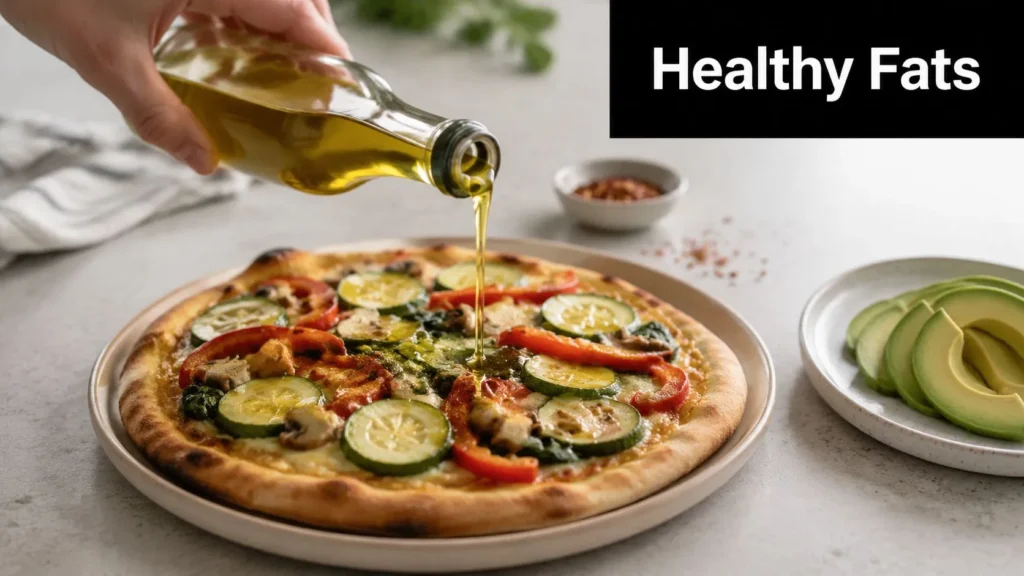
Use fat as a flavor tool
The mistake I see most often is doubling up. People keep a full layer of cheese, add fatty meat, then add oil on top. That doesn’t create a balanced pizza. It creates redundancy.
A better approach is to let one fat source lead. If you’re using fresh mozzarella lightly, a finishing drizzle of extra virgin olive oil makes sense. If you’re using avocado after baking, scale the cheese back. If you’re using nuts or seeds, keep the oil light.
Good pizza fat should make vegetables taste better. If the fat covers them up, it’s too much.
Practical ways to add healthy fats
- Finish, don’t flood: Use a light drizzle rather than coating the whole pie.
- Add avocado last: It’s best fresh, sliced thin, and placed on hot pizza right before serving.
- Pair with vegetable-heavy pies: Healthy fats help round out pizzas built mostly from plants.
- Try seeds sparingly: Hemp seeds can add nuttiness without changing the character of the slice too much.
Mediterranean-style pizzas handle this especially well. Think tomato sauce, roasted vegetables, modest cheese, oregano, and olive oil. You still get indulgence. You just get it from quality and balance rather than excess.
6. Plant-Based and Low-Moisture Mozzarella Alternatives
Cheese is where many healthy pizza plans go sideways. People either use too much regular cheese or assume vegan cheese is automatically the better option. Neither shortcut works every time.
Low-moisture mozzarella, part-skim mozzarella, and fresh mozzarella each solve different problems. Low-moisture mozzarella browns and melts predictably. Fresh mozzarella tastes cleaner and lighter but can waterlog a pizza if you use too much. Part-skim versions can help keep the pizza less rich while still giving you the classic stretch.
Don’t assume plant-based means better
Plant-based cheese can be useful, especially for dairy-free eaters, but it often needs help. Some versions melt poorly, some taste flat, and some add a lot of richness without bringing much nutritional upside. This is why I rarely recommend going all-in on vegan cheese unless you already know the brand performs well.
The stronger move is often a blend. Mix a modest amount of dairy cheese with a plant-based option, or use less cheese overall and let sauce, herbs, and vegetables do more of the work. Brands like Violife, Miyoko’s, and Daiya all behave differently, so testing matters.
Better cheese decisions
- Use less than you think: A lighter layer often tastes better because other ingredients stay visible.
- Drain fresh mozzarella: Pat it dry before topping.
- Blend cheese types: Half dairy and half plant-based often gives better melt and flavor.
- Boost umami elsewhere: Mushrooms, tomato, garlic, and herbs reduce the pressure on cheese to carry the whole pizza.
One of the simplest healthy pizza ingredients strategies is this: change the cheese from the main event to one component. That single shift usually improves texture, balance, and how the pizza sits after you eat it.
7. Fresh Herbs and Spice Seasonings
If you want pizza to taste richer without adding more cheese, meat, or salt, use herbs more aggressively. Fresh basil, oregano, thyme, rosemary, parsley, garlic, and chili flakes make a pizza taste more complete with very little effort.
This is one of the most overlooked upgrades because herbs don’t look dramatic on a nutrition label. But in actual cooking, they’re the difference between a pizza that tastes flat and one that feels restaurant-level.
Fresh for finishing, dried for baking
Dried oregano and thyme hold up well in the oven. Fresh basil and parsley don’t. Put delicate herbs on after baking or in the last moments of cooking so they stay fragrant instead of dark and wilted.
Garlic deserves the same kind of thought. Raw minced garlic can burn and turn bitter on a hot pizza. Roasted garlic or garlic confit gives you sweetness and depth without that harsh edge.
“Use herbs like toppings, not garnish.”
That one shift changes the result. A few leaves of basil scattered at the end look nice. A real handful of basil or arugula, plus oregano baked into the sauce, changes the whole pie.
Flavor combinations worth repeating
- Basil + oregano: Classic for tomato-based pizzas.
- Rosemary + thyme: Stronger and better with roasted vegetables or potato toppings.
- Garlic + parsley: Great for white pizzas or lighter cheese builds.
- Chili flakes + oregano: Useful when you want more punch without processed meat.
Many pizza chains offer dried herb shakers, but better pizzerias and home cooks treat herbs as ingredients, not dusting powder. That’s the mindset to steal.
8. Tomato Sauce with Minimal Added Sugar and Sodium
What ruins a healthy pizza faster than people expect? A sugary, salty sauce spread too thick.
Sauce is the control layer in the whole pizza build. It sets the baseline for acidity, moisture, and seasoning before the cheese and toppings go on. Get this part right, and the rest of the pie is easier to balance.
The best healthy pizza sauces are usually simple. Crushed tomatoes or passata, garlic, a small amount of salt, and a few cooked herbs are enough for a clean tomato flavor. Many jarred sauces drift toward pasta-sauce territory with extra sugar, more sodium, and a looser texture that makes the crust soften before it browns.
What to look for in a healthier pizza sauce
A good pizza sauce should taste bright, not sweet, and thick enough to coat the dough without pooling.
Use this filter when buying or making sauce:
- Choose tomatoes first: Crushed tomatoes, strained tomatoes, or passata give you a better base than heavily seasoned sauce blends.
- Keep added sugar low or absent: Tomatoes already bring natural sweetness, especially after cooking.
- Watch sodium: Start lighter than you think you need because cheese, olives, cured toppings, and even the crust can add more salt later.
- Aim for a thicker texture: A concentrated sauce protects crust texture and gives more tomato flavor per spoonful.
If you make your own sauce, simmer it until it loses that raw, watery edge. If you buy one, turn the jar around and read the ingredient list before reading the front label.
Preparation tips that make a real difference
I usually spread less sauce on a healthy pizza than people expect. Too much sauce makes the center heavy and throws off the crust-to-topping ratio.
A few habits improve the result every time:
- Reduce water content before topping the pizza: Brief simmering gives the sauce better body.
- Season in stages: Add a little salt, taste, then adjust after the pizza bakes if needed.
- Use sturdy flavors in the sauce: Garlic powder, dried oregano, and a pinch of chili hold up well during baking.
- Portion and freeze extras: Small containers or ice-cube trays make weeknight pizza much easier, especially if you already prep other healthy meal prep ideas.
If you want a simple method to start with, perfect sauce for your Hans Grill pizza offers a straightforward home-style approach.
A better sauce does quiet work. It cuts unnecessary sugar, keeps sodium in check, and gives every other layer on the pizza a cleaner place to land.
Healthy Pizza Ingredients: 8-Point Comparison
| Item | Implementation complexity | Resource requirements | Expected outcomes | Ideal use cases | Key advantages |
|---|---|---|---|---|---|
| Whole Wheat and Ancient Grain Crusts | Moderate, different hydration, longer ferment | Whole-grain flours, slightly higher cost, refrigeration | Higher fiber & micronutrients; lower GI; slightly denser texture | Health-focused menus, sustained-satiety meals | Nutrient-dense, better satiety, diverse grain options |
| Cauliflower and Vegetable-Based Crusts | Moderate–high, moisture control and binding needed | Fresh vegetables, binders (eggs/cheese/psyllium), careful prep | Very low carbs/calories; gluten-free; different, softer texture | Keto/paleo/gluten-free diets, weight-management | Low-carb, nutrient-rich, highly customizable |
| Lean Protein Toppings (Grilled Chicken, Plant Proteins) | Low, standard protein prep and portioning | Lean meats or plant proteins, refrigeration, simple marinades | High protein, lower saturated fat, increased satiety | Athletes, protein-focused meals, weight-loss plans | Builds muscle, reduces processed-meat risks |
| Fresh Leafy Greens and Vegetables | Low–moderate, some pre-cooking/finishing timing | Fresh produce, seasonal sourcing, minor prep time | Substantially increased vitamins, minerals, fiber; low calories | Plant-forward menus, nutrient boosts, visual appeal | High nutrient density, low-calorie, versatile |
| Olive Oil and Healthy Fats (EVOO, Avocado) | Low, drizzle or careful use post-bake | Quality EVOO/avocado (can be costly), storage considerations | Improved fat profile; better fat-soluble nutrient absorption | Mediterranean-style pizzas, heart-health focused | Anti-inflammatory benefits, flavor enhancer |
| Plant-Based and Low-Moisture Mozzarella Alternatives | Low, direct substitution but melting differs | Plant-based or part-skim cheeses, often higher cost | Lower saturated fat/cholesterol; dairy-free options | Vegan/dairy-free offerings, lower-fat menus | Reduces saturated fat, accommodates dietary restrictions |
| Fresh Herbs and Spice Seasonings | Low, simple to apply; timing matters (fresh vs bake) | Fresh or dried herbs, minimal cost, shorter shelf life for fresh | Enhanced flavor with antioxidants; enables salt reduction | Finishing touches, flavor-forward healthy pizzas | High flavor per calorie; antioxidant and anti-inflammatory effects |
| Tomato Sauce with Minimal Added Sugar and Sodium | Moderate, sourcing or homemade cooking time | Quality tomatoes (San Marzano or fresh), cooking/storage time | Better lycopene uptake, lower sodium/sugar, clearer ingredient list | Healthier base recipes, homemade or premium pizzerias | Nutrient-rich, lower sodium/sugar, controllable ingredients |
Your Blueprint for the Perfect Healthy Pizza
Healthy pizza works when each layer has a job. The crust should add structure and, ideally, more fiber. The sauce should bring acidity and depth without turning the pizza sweet or watery. The cheese should support the other ingredients, not bury them. The toppings should add either real nutrition, strong flavor, or both.
That’s why the best healthy pizza ingredients aren’t necessarily the trendiest ones. A thin whole-grain crust with good tomato sauce, vegetables, herbs, and a moderate amount of cheese will often beat a “fitness pizza” made with a highly processed crust and overloaded toppings. A cauliflower crust can be useful, but only if the pizza stays balanced. Vegan cheese can fit, but it isn’t automatically superior. High-protein toppings help, but only when they replace processed meat instead of joining it.
The bigger lesson is that pizza doesn’t need to be rescued. It needs to be built with intention. The evidence already points to the most reliable markers of a healthier pie: more whole grains, more plants, and fewer heavily processed toppings. That approach also tends to make pizza taste fresher and more satisfying, which is why it works in real life instead of only on paper.
If you’re making pizza at home, start with one swap. Use a whole wheat crust instead of a refined one. Replace pepperoni with grilled chicken or mushrooms. Cut the cheese slightly and add herbs generously. Pre-cook wet vegetables so the pizza browns instead of steams. None of those changes require a complete overhaul, but together they move the meal in a better direction.
If you’re ordering out, the same blueprint still applies. Look for thin or whole-grain crust when available. Choose vegetable-heavy combinations. Skip processed meats if you can. Ask for lighter cheese. Add fresh greens after baking if the restaurant offers them. Pizza is one of the easiest restaurant foods to improve through simple customization.
The best part is that a healthier pizza doesn’t have to feel austere. It can still be crisp, cheesy, savory, and satisfying. You’re not removing the pleasure. You’re redistributing it across better ingredients.
Start with the layer you can control most easily on your next pizza night. One smarter crust, one better sauce, one less-processed topping. That’s often all it takes to build a better slice.
If you like practical health guides that skip hype and focus on what works, explore more at maxijournal.com. You’ll find approachable articles across health, science, lifestyle, and everyday decision-making, plus fresh opportunities for readers and contributors who want smart, readable publishing without the usual clutter.
Discover more from Maxi Journal
Subscribe to get the latest posts sent to your email.