In an age of infinite audio, the excitement of finding a new song that connects perfectly is a rare and powerful feeling. With millions of tracks released every day, however, sifting through the digital noise to find those gems can feel like an impossible task. The problem isn’t a shortage of music, but a shortage of effective discovery methods. Many listeners find themselves stuck in a loop, hearing the same popular tracks on repeat, while a world of incredible, unheard music waits just beyond their reach.
This guide is designed to break that cycle. We have compiled a practical collection of the ten best ways to discover new music, moving far beyond the obvious advice. Forget aimless scrolling and repetitive recommendations. Instead, you’ll find a structured toolkit filled with actionable strategies, specific platform tips, and expert insights tailored for different types of listeners.
Whether you’re a casual fan hoping to refresh your daily commute playlist, a dedicated genre explorer on a quest for uncharted sonic territories, or a passionate supporter of independent artists, this list provides the concrete techniques you need. We’ll explore everything from mastering algorithms and diving into niche music blogs to using social media trends and the timeless power of community recommendations. Prepare to build a more dynamic and personal music library, because your next favorite song is out there, and we’re going to help you find it.
1. Algorithmic Recommendations on Streaming Platforms
The most accessible method for finding new artists is already built into the apps you use daily. Major streaming platforms like Spotify, Apple Music, and YouTube Music employ complex algorithms that analyze your listening habits, including skips, repeats, likes, and playlist additions. This data fuels personalized recommendation engines that suggest new songs, artists, and playlists tailored to your specific taste. It’s one of the best ways to discover new music with almost zero effort.
These systems work by identifying patterns in your behavior and comparing them to millions of other users. If you frequently listen to indie rock bands like The National and Interpol, the algorithm will likely recommend artists with similar sonic qualities or fanbases, such as Editors or The Killers. The process is powered by a type of artificial intelligence; you can learn more about how machine learning works to better understand the technology behind your playlists.
How to Improve Your Algorithmic Recommendations
To get the most out of these tools, you need to actively “train” your algorithm. Your direct feedback is the most powerful signal you can send.
- Engage Actively: Use the “Like” or “Heart” button on songs you enjoy and “Skip” or “Hide” tracks you don’t. This direct feedback fine-tunes future suggestions.
- Create Specific Playlists: Make distinct playlists for different moods, genres, or activities (e.g., “Workout Hype,” “Chill Sunday Morning,” “90s Alternative”). This helps the algorithm understand context and provide more accurate recommendations for each scenario.
- Use the “Song Radio” Feature: When you discover a song you love, start a “Song Radio” or “Station” from it. This generates a playlist of similar-sounding tracks, creating a rabbit hole of new discoveries.
- Follow Friends and Curators: See what people with similar tastes are listening to. This adds a human-curated element to the algorithm’s data pool.
Key Insight: Your personalized playlists, like Spotify’s Discover Weekly and Release Radar, are living ecosystems. The more you interact with the platform by saving, skipping, and exploring, the more accurate and rewarding your automated discoveries become.
2. Music Blogs and Independent Music Publications
For those seeking a human touch in music curation, independent blogs and publications offer an alternative to algorithm-driven discovery. These platforms are powered by passionate writers, critics, and fans who provide context, critique, and storytelling alongside their recommendations. This editorial perspective is one of the best ways to discover new music, connecting you to emerging artists and scenes with credibility and depth.
Unlike automated suggestions, music journalism thrives on expertise and subjective taste. Publications like Pitchfork, Stereogum, and Brooklyn Vegan employ critics who dedicate their careers to finding and evaluating music. Their reviews, artist interviews, and trend pieces can introduce you to an artist’s entire story, not just a single song. This approach is perfect for listeners who want to understand the “why” behind the music, from the cultural relevance of a new album to the influences of an up-and-coming band. You can find more examples of quality online writing by checking out some of the best online magazine websites that excel in this space.
How to Get the Most from Music Journalism
To turn music blogs into your personal discovery engine, you need to find the voices and platforms that resonate with you.
- Find Your Critic: Follow several writers and identify whose taste aligns with yours. A positive review from a trusted critic can be a powerful signal to check out a new artist.
- Subscribe to Newsletters: Most publications offer email newsletters that deliver top stories, new music recommendations, and tour announcements directly to your inbox, making it easy to stay current.
- Explore Niche Blogs: If you love a specific genre like Midwest emo or French house, seek out blogs dedicated to that scene. They often cover artists long before they reach mainstream attention.
- Use “Best New Music” Features: Many sites, notably Pitchfork with its “Best New Music” and Bandcamp with “Bandcamp Daily,” curate standout tracks and albums. These sections are excellent starting points for high-quality discoveries.
Key Insight: Building a relationship with a few trusted publications and critics adds an invaluable layer of human curation to your discovery process. These resources not only recommend music but also help you understand its place in the broader cultural conversation.
3. Social Media and Short-Form Video Platforms
The epicenter of viral music hits has moved to short-form video platforms. Apps like TikTok, Instagram Reels, and YouTube Shorts have become dominant forces for music discovery, often turning unknown songs into global chart-toppers overnight. This method works by attaching music to trends, dances, and memes, allowing songs to reach millions of users through algorithm-driven feeds, making it one of the best ways to discover new music organically.
This phenomenon has rewritten the rules of the music industry. A 15-second clip can propel an artist from obscurity to stardom, as seen with Lil Nas X’s “Old Town Road,” which first gained traction on TikTok. Similarly, artists like Olivia Rodrigo saw their careers explode as their songs became the soundtrack to countless user-generated videos. This ecosystem creates a direct, audience-powered path to popularity, often bypassing traditional industry gatekeepers. You can find more information about this trend in popular culture magazines like Rolling Stone.
How to Improve Your Social Media Music Discovery
To effectively use these platforms for finding new tracks, you need to actively participate in their ecosystems. Your engagement directs the algorithm to show you more relevant content.
- Follow Music-Focused Creators: Seek out influencers, DJs, and music journalists who specialize in sharing new or undiscovered music. Their curated content is a great starting point.
- Engage With Trending Sounds: When you hear a clip you like, tap on the sound to see other videos using it. This not only gives you context but also signals to the algorithm that you enjoy that style of music.
- Use Hashtags Strategically: Search for tags like
#newmusic,#songofthesummer,#indieartist, or genre-specific tags like#altrockto find communities and creators focused on your interests. - Connect to Your Music Apps: Many platforms allow you to directly add a trending song to a Spotify or Apple Music playlist. This is a seamless way to save discoveries and further train your streaming algorithm.
Key Insight: Short-form video platforms are a real-time reflection of popular culture. The songs that go viral are not just background noise; they are the tracks that connect with people on a massive scale, making them a powerful and direct source for finding what’s next in music.
4. Radio Shows and Podcast DJ Discovery
In an algorithm-driven world, the human touch of a knowledgeable host remains one of the best ways to discover new music. Curated radio shows and music podcasts offer a personal, story-rich alternative to automated playlists. Hosts at institutions like BBC Radio 1, college radio stations, and shows like NPR’s All Songs Considered act as trusted guides, providing context, artist interviews, and a passion that algorithms can’t replicate.
This method thrives on the expertise and taste of a real person. When a DJ like the legendary Annie Mac champions a track on her Future Sounds show, it comes with a built-in endorsement from a respected curator. Similarly, college radio stations such as Seattle’s KEXP have become global tastemakers by broadcasting groundbreaking music long before it hits the mainstream. These platforms are not just playing songs; they are telling stories and building communities around music.
How to Improve Your Radio and Podcast Discoveries
Tuning into these curated channels requires a little more intent, but the payoff in quality and context is immense.
- Explore College and Community Radio: Use apps like TuneIn or search online for university radio stations (e.g., KEXP, WNYU). They are often the first to play emerging and experimental artists, free from commercial pressures.
- Subscribe to Music Podcasts: Search for music-focused podcasts on platforms like Spotify and Apple Podcasts. Shows from NPR Music or The FADER offer deep dives, while others like the Indieheads Podcast cater to specific genres. If you enjoy the format, there are many excellent podcasts for learning about other topics as well.
- Follow Specific DJs and Shows: When you find a host whose taste aligns with yours, follow them. Many DJs share playlists and tracklists on social media or their own websites, making it easy to find that one song you loved.
- Watch Live DJ Sets: Platforms like Boiler Room showcase live DJ sets from around the world, offering a visual and auditory window into different music scenes and expert track selection in real time.
Key Insight: Radio and podcast curators provide the “why” behind the music. They connect dots between artists, genres, and cultural moments, turning music discovery from a passive activity into an engaging, educational experience.
5. Spotify Playlists and Community Curation
Beyond personal algorithms, the vibrant ecosystem of playlists on Spotify represents a powerful, human-driven method for music discovery. This approach moves from machine-led suggestions to curation by experts, influencers, and fellow listeners. It’s one of the best ways to discover new music because it adds a layer of human taste and context that algorithms sometimes miss.
This community-centric model features two main types of playlists. First are the official editorial playlists like RapCaviar or Today’s Top Hits, curated by Spotify’s internal teams to define and reflect current trends. Second, and arguably more diverse, are the millions of user-generated playlists. These range from niche genre collections like “indie gems” to mood-based selections created by everyday users and shared across social media, offering an authentic window into what real people are enjoying.
How to Improve Your Playlist-Based Discoveries
To get the most out of this community-driven approach, you need to actively seek out and engage with different types of curators.
- Follow Curators, Not Just Playlists: Identify users, music publications, or brands whose taste aligns with yours and follow their profiles. This ensures you see all their new playlists and updates.
- Create and Collaborate: Build your own themed playlists and share them. Collaborating on a playlist with friends is an excellent way to merge different tastes and introduce each other to new artists organically.
- Explore Themed and Niche Communities: Search for specific moods, activities, or micro-genres (e.g., “songs for a rainy day,” “80s Japanese city pop”). The specificity of these playlists often leads to hidden gems you wouldn’t find otherwise.
- Check “About” Sections: Many popular user-created playlists have social media accounts or websites linked in their descriptions. Following them on other platforms provides more context and deeper engagement with the community.
Key Insight: While editorial playlists like Lorem Ipsum and Pollent define the mainstream, the real depth of discovery lies in user-curated collections. Tapping into these independent playlists allows you to explore music through the lens of passionate fans, offering a more personal and often more surprising listening experience.
6. Live Music Venues, Festivals, and Concert Discovery
Stepping away from the screen and into a physical space offers one of the most organic and memorable ways to find new artists. Attending live shows at local venues, music festivals, and concerts immerses you in a raw, unfiltered musical environment. This method often leads to unexpected discoveries, whether it’s an impressive opening act, a new band on a festival lineup, or an artist featured in a local venue’s curated series. It’s an effective and exciting way to discover new music.
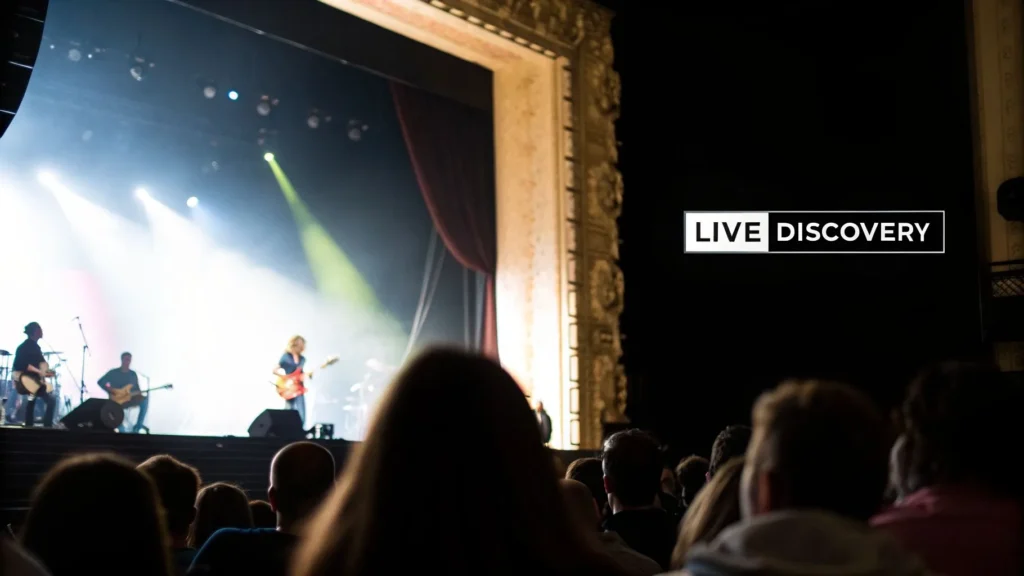
The magic of live discovery is its unpredictability and the power of shared experience. Festivals like SXSW are built around this concept, turning an entire city into a stage for emerging talent. Similarly, getting to a concert early to watch the opening acts can introduce you to your next favorite band. These platforms, along with apps like Bandsintown, help you track tours and find local shows, connecting digital planning with real-world musical encounters.
How to Improve Your Live Music Discoveries
To make the most of live events, you need to be proactive and open to exploration. A little bit of planning can turn any concert into a goldmine for new music.
- Arrive Early for Opening Acts: The support slot is a crucial platform for up-and-coming artists. Make a point to catch their entire set instead of just showing up for the headliner.
- Explore Festival Lineups: Before attending a festival, listen to the undercard artists on the lineup poster. Create a playlist of bands you don’t know and identify a few you want to see live.
- Follow Local Venues: Your neighborhood bar, club, or theater is a hub for new music. Follow them on social media or join their email newsletters to stay informed about upcoming shows and local artist showcases.
- Embrace Genre-Specific Events: Seek out local festivals or concert series focused on specific genres, like a community jazz festival or a punk rock all-dayer. These events attract passionate fans and provide a concentrated dose of new, relevant music.
Key Insight: A live performance provides context that a studio recording cannot. The energy of the crowd, the artist’s stage presence, and the raw sound can transform a song you might have skipped online into an unforgettable anthem.
7. YouTube and Music Video Platforms
Long before streaming apps dominated audio, YouTube was the de facto king of music discovery, and it remains a powerhouse for finding new artists. The platform combines a powerful recommendation algorithm with a massive library of visual content, including official music videos, live sessions, fan-made lyric videos, and full album streams. Its visual nature provides a multi-sensory experience that helps new music stick.

The algorithm operates on a simple but effective principle: if you watch a video from a particular artist, the “Up next” queue and homepage suggestions will be populated with similar content. This creates organic “rabbit holes” where one video leads to another, introducing you to adjacent genres and undiscovered artists. From official VEVO channels to intimate live performance series, YouTube offers a different angle on music discovery, making it one of the best ways to discover new music through both sight and sound.
How to Improve Your YouTube Music Discoveries
To get the most out of YouTube, you must actively guide its suggestions and explore its diverse content formats. Your viewing history and channel subscriptions are your most important tools.
- Subscribe to Music-Focused Channels: Follow channels dedicated to music curation, like COLORS (live studio sessions), KEXP (in-studio performances), or channels specific to your favorite genres.
- Explore Live Performances: Watching an artist perform live offers a different perspective on their music. Search for “[Artist Name] live” or look for sessions from Tiny Desk Concerts to see raw talent in action.
- Use the “Up Next” Queue: Let autoplay guide you after watching a video you enjoy. The algorithm is surprisingly effective at finding related tracks you might have otherwise missed.
- Check Artist Official Channels: Follow your favorite artists’ official channels and enable notifications to be the first to know about new music videos, tour announcements, and behind-the-scenes content.
- Engage with Videos: Liking videos and leaving comments sends strong signals to the algorithm about your preferences, refining your future recommendations.
Key Insight: YouTube’s strength lies in its diverse formats. A simple search can lead you from an official music video to a stripped-down acoustic cover, then to a live festival performance, each offering a unique connection to an artist’s work and a new path for discovery.
8. Recommendations from Friends and Community
Before algorithms, the primary way to find new artists was through trusted, human-powered recommendations. This classic word-of-mouth approach remains one of the best ways to discover new music because it’s rooted in personal connection and shared taste. From a casual chat with a coworker to a deep dive into an online forum, these suggestions often come with valuable context and genuine enthusiasm that a machine can’t replicate.
This method thrives in dedicated communities built around a shared love for music. Online spaces like Reddit, Discord, and specialized forums offer vibrant ecosystems for discovery. For instance, subreddits like r/indieheads or r/hiphopheads are filled with daily discussions, new release threads, and user-curated playlists. These communities go beyond simple recommendations, offering rich conversations about an artist’s history, influences, and place within a genre, providing a much deeper connection to the music you find.
How to Improve Your Community-Based Discoveries
To get the most out of social recommendations, you need to actively participate and seek out the right circles for your tastes.
- Join Niche Communities: Find subreddits, Discord servers, or Facebook groups dedicated to your favorite genres or even specific artists. The more niche the community, the more tailored the recommendations will be.
- Actively Participate: Don’t just lurk. Ask for suggestions based on what you currently enjoy, share your own recent finds, and comment on others’ posts. Engagement builds rapport and leads to more personalized tips.
- Create a Sharing Circle: Start a group chat on a messaging app with friends who have good musical taste. Dedicate it to sharing one new song each day or week, creating a consistent stream of hand-picked tracks.
- Explore Music-Focused Social Networks: Platforms that function like a “Letterboxd for music” allow you to follow other users, see their listening history, and read their reviews, creating another avenue for curated discovery.
Key Insight: A recommendation from a friend or a passionate online community comes pre-vetted with human emotion. This social context can be the difference between simply hearing a song and truly connecting with it, turning a casual listen into a lasting favorite.
9. Music Streaming Analytics and Data-Driven Discovery
Beyond personalized playlists, you can use raw data and analytics to uncover new music. This approach involves looking at charts, listener statistics, and data visualizations to see what’s currently trending or gaining momentum. Services like Every Noise at Once, Last.fm, and Genius transform vast amounts of streaming information into understandable maps and charts, offering a bird’s-eye view of the music world. It’s one of the best ways to discover new music by analyzing collective listening patterns instead of just your own.
These platforms provide a different kind of discovery. Instead of an algorithm guessing what you might like, you can actively explore what is popular, what is about to become popular, or what is popular within a very specific niche. For instance, Every Noise at Once maps thousands of genres, allowing you to see their relationships and click to hear examples. Meanwhile, Last.fm “scrobbles” (tracks) your listening history across different services to provide detailed personal charts and recommendations based on your long-term habits.
How to Improve Your Data-Driven Discoveries
To effectively use these tools, you need to know where to look and how to interpret the data. It’s an active, investigative approach to finding artists.
- Explore Genre Maps: Use Every Noise at Once to explore its sprawling map of music genres. Clicking a genre name plays a sample, and clicking the
»symbol takes you to a deeper map of artists within that genre, sorted by popularity and familiarity. - Track Your History: Connect your streaming accounts to Last.fm to build a detailed, long-term picture of your listening habits. Its recommendation engine uses this deep history to suggest artists you may have missed.
- Follow the Charts: Keep an eye on charts beyond the mainstream Billboard Hot 100. Genius has a “Trending” chart showing which songs people are looking up the lyrics for, often signaling a track’s viral ascent before it hits radio.
- Review Annual Reports: Pay attention to your year-end summaries like Spotify Wrapped and Apple Music Replay. They not only summarize your year but often include playlists of songs you might have missed from genres you love.
Key Insight: While algorithmic playlists focus on what you’ve already liked, data analytics tools show you the bigger picture. They reveal emerging trends, map out entire genres, and provide a global context for your personal taste, giving you the power to discover music proactively.
10. Music Blogs, Substack, and Independent Music Writers
While algorithms offer convenience, the human touch of a dedicated music critic or blogger provides a different kind of discovery. Independent writers on platforms like Substack, niche music blogs, and community forums offer curated deep dives that an algorithm can’t replicate. These writers often champion specific scenes, genres, or artistic movements, providing context and passion that make their recommendations resonate on a personal level. This is one of the best ways to discover new music if you value expert curation and storytelling.
This approach brings you closer to the source, connecting you with individuals whose tastes you can learn to trust. For instance, a Substack newsletter might focus exclusively on emerging ambient artists, while a blog aggregated by HypeMachine could introduce you to a buzzing indie band before they hit the mainstream. Likewise, the forums and user-generated lists on sites like Rate Your Music act as a global record store, where passionate fans exchange detailed reviews and recommendations for obscure gems.
How to Find Your Favorite Music Writers
Building a roster of trusted critics requires some initial exploration, but the payoff is a consistent stream of high-quality, hand-picked music.
- Explore Substack: Search for newsletters using keywords like “indie music,” “hip-hop deep cuts,” or “electronic music.” Many writers offer free and paid subscription tiers.
- Use Blog Aggregators: HypeMachine tracks posts from hundreds of music blogs, allowing you to see which tracks are generating the most buzz among independent writers.
- Engage with Communities: Participate in discussions on Rate Your Music or Reddit communities (e.g., r/listentothis). You’ll find users with similar tastes whose profiles can become a goldmine for new artists.
- Follow on Social Media: Many independent critics and bloggers are active on social media. Following them provides real-time recommendations and insights directly in your feed.
Key Insight: Unlike an algorithm that predicts what you might like based on past behavior, a human curator introduces you to music they believe you should hear. This element of surprise and passionate advocacy can lead to your most cherished musical discoveries.
Top 10 New Music Discovery Methods Comparison
| Item | Implementation complexity | Resource requirements | Expected outcomes | Ideal use cases | Key advantages |
|---|---|---|---|---|---|
| Algorithmic Recommendations on Streaming Platforms | High — ML models and continuous tuning | Large user data, engineering, cloud infrastructure | Highly personalized, passive discovery that improves over time | Daily personalized listening, broad catalog exploration | Scalability, strong personalization, low user effort |
| Music Blogs and Independent Music Publications | Low–Moderate — editorial workflows | Skilled writers, editorial time, niche expertise | Contextual, curated discoveries with critical analysis | In-depth reviews, discovering underground and indie artists | Credibility, context, expert insight |
| Social Media and Short-Form Video Platforms | Moderate — content creation + viral mechanics | Creators, short-form content, trend monitoring | Rapid, high-visibility viral discovery, short-lived boosts | Launching singles, generating trends, mass reach quickly | Speed, broad reach, strong engagement |
| Radio Shows and Podcast DJ Discovery | Low–Moderate — programming and production | Hosts/DJs, production resources, scheduled airtime | Thematic, trusted discovery with storytelling and interviews | Curated listening sessions, live sessions and artist context | Trustworthiness, narrative context, live content |
| Spotify Playlists and Community Curation | Low — user curation; Moderate for editorial playlists | Active curators, community engagement, playlist maintenance | Thematic, social discovery; quality varies by curator | Collaborative listening, themed exploration with peers | Social sharing, easy discovery, real-time updates |
| Live Music Venues, Festivals, and Concert Discovery | Moderate — event logistics for organizers | Time, travel, ticket cost; venue operations | Deep, memorable discovery through live performance | Experiencing artists live, finding emerging acts locally/festivals | Authentic connection, sensory experience, community bonding |
| YouTube and Music Video Platforms | Moderate — video production and platform tuning | Video content, channels, metadata, production resources | Audio-visual discovery with strong recommendation signals | Discovering music with visuals, live performances, covers | Visual context, vast catalog, free access |
| Recommendations from Friends and Community | Low — informal sharing processes | Personal networks, time and participation | Highly trusted, contextual discovery within social circles | Personalized suggestions, niche community finds | Trust, personal relevance, conversational recommendations |
| Music Streaming Analytics and Data-Driven Discovery | Moderate–High — data collection and analysis | Access to charts/tools, analytics skills, datasets | Trend identification and measurable popularity signals | Industry trend tracking, chart-based discovery, year-end reviews | Objective insights, trend visualization, measurable metrics |
| Music Blogs, Substack, and Independent Music Writers | Low — individual publishing workflows | Writer time, subscription tools, niche expertise | Personalized curated recommendations and deep dives | Following specific writers, niche genre exploration via newsletters | Intimate voice, unique perspectives, direct creator-reader link |
Keep Exploring: Your Musical Journey Never Ends
We have explored a wide range of powerful methods for finding your next favorite song, from the data-driven precision of streaming algorithms to the passionate curation of independent music bloggers. The central lesson is clear: the most effective strategy for music discovery is not about choosing one single path, but about building a personal, dynamic ecosystem of sources. Your journey to find incredible new sounds becomes richest when you combine the convenience of technology with the irreplaceable value of human connection and expertise.
Think of it as building a well-rounded diet. Algorithmic suggestions on Spotify or YouTube are your daily staples, providing consistent, personalized recommendations. Following insightful music blogs and podcast DJs is like getting tips from a gourmet chef; they introduce you to complex flavors and hidden gems you’d never find on your own. Meanwhile, attending a live show or engaging with a social media community is like visiting a farmer’s market, connecting you directly to the source and the vibrant culture surrounding the music. Each component plays a crucial role.
Key Takeaways for Your Discovery Toolkit
The core message throughout this guide is that active participation yields the best results. Passively letting an algorithm dictate your listening habits will only get you so far. To truly find the best ways to discover new music that resonates with you, you must become an active explorer.
- Embrace the Hybrid Approach: Don’t rely solely on Spotify’s Discover Weekly. Pair it with a weekly ritual of reading a review from an independent publication. Use a data tool like Chartmetric to see what’s trending, then seek out those artists on a platform like Bandcamp to hear their full album.
- Trust Human Curation: Algorithms are excellent at identifying patterns, but they lack the context, emotional intelligence, and storytelling ability of a human critic or a passionate friend. The most memorable discoveries often come from a personal recommendation that starts with, “You have to hear this because…”
- Step Beyond the Screen: Digital tools are fantastic, but nothing replaces the raw energy of live music. Make a habit of showing up early to concerts to hear the opening acts. Visit a local venue’s “new music night.” The visceral experience of seeing an artist perform live can forge a connection that a studio recording alone cannot.
Your Actionable Next Steps
Mastering these discovery methods will do more than just expand your playlists; it will deepen your entire relationship with music. You will start to understand the “why” behind the music you love, connecting with the stories, scenes, and communities that bring it to life. This active engagement transforms you from a passive consumer into a genuine enthusiast.
To put this into practice immediately, pick one new method to try this week. If you’ve been stuck in an algorithmic loop, find and subscribe to a music-focused Substack newsletter. If you always listen to the same genres, use a playlist community to find a curated list from a genre you’ve never explored. The goal is to build a new habit, one that continually injects fresh and exciting sounds into your life. Your musical world is only as big as you allow it to be. Keep your ears open, stay curious, and never stop searching for that next song that changes everything.
Ready to document your musical discoveries and create a personal listening journal? maxijournal.com offers a perfect platform to log the new artists you find, write down your thoughts on albums, and track your listening journey. Start building your own music archive today at maxijournal.com.
Discover more from Maxi Journal
Subscribe to get the latest posts sent to your email.