Planning a trip through Southeast Asia in 2026 usually starts the same way. You open a map, mark Bangkok, Bali, Singapore, maybe Siem Reap, then realize the region offers far more than a simple greatest-hits route. One traveler wants temple towns and slow mornings. Another wants beach infrastructure, easy transfers, and strong hotel options. A third wants cafés with reliable Wi-Fi and enough urban energy to work between excursions.
That’s why a flat ranking doesn’t help much. Southeast Asia works best when you match destination type to traveler type. The region drew about 143 million international tourist arrivals in 2019, according to ASEAN tourism data summarized by Statista, which helps explain why it remains one of the world’s most important travel markets. But scale alone isn’t the reason people keep returning. The stronger draw is density: major gateways such as Singapore, Kuala Lumpur, Bangkok, Hanoi, Ho Chi Minh City, and Jakarta sit within reach of island escapes and heritage centers such as Bali, Phuket, Siem Reap, and Luang Prabang.
For 2026, the smart question isn’t just which are the best travel destinations in Southeast Asia. It’s which destination fits the trip you want to take. That means judging places by atmosphere, connectivity, cultural depth, luxury readiness, crowd profile, and how well they suit different travel styles.
This guide focuses on 10 destinations that consistently matter because they combine access, recognizability, and distinct travel identities. Some are obvious choices. A few are here because they solve a problem that iconic hotspots don’t, such as offering a better base for mixed-interest groups or giving cultural travelers a slower alternative to busier capitals.
1. Bangkok, Thailand
Bangkok is the most useful starting point for many Southeast Asia itineraries because it does several jobs well at once. It works as a first-stop city, a food city, a shopping city, and a cultural city with enough scale to support short breaks or longer stays. If you’re comparing major urban options across the region, Bangkok belongs in any shortlist of the best cities to visit in Asia.
The city’s appeal comes from contrast. You can move from temple compounds to Siam Square malls, from riverfront calm to late-night Chinatown, and from old neighborhoods to polished rooftop venues without feeling like you’ve changed destinations entirely. For travelers who want a single city that mixes heritage and modern convenience, Bangkok remains hard to beat.
Best fit traveler profiles
- First-time Southeast Asia traveler: Bangkok is energetic, but its transit, hotel range, and visitor familiarity make it manageable.
- Urban cultural traveler: Grand temples, markets, galleries, and historic districts all sit inside one city break.
- Luxury seeker on a flexible budget: Bangkok supports high-end stays, dining, and wellness without requiring a resort-only itinerary.
How to use Bangkok well
Use the BTS Skytrain and MRT for most daytime movement. They remove a lot of friction from a city that can otherwise feel slow in traffic. Temples are best early, Yaowarat works best at night, and markets such as Chatuchak reward travelers who don’t over-schedule.
Practical rule: In Bangkok, plan by district, not by attraction. Crossing the city for one stop often costs more time than adding two nearby sites.
Examples matter here. A traveler interested in contemporary retail and entertainment can spend half a day around Siam Square and MBK Center. A traveler focused on food can reserve evenings for Chinatown. A traveler mixing family travel with novelty might even build in something playful such as finding the best time for capybara cafe Bangkok.
2. Bali, Indonesia
Bali stays on this list because it solves a rare travel equation. It can satisfy the beach traveler, the villa traveler, the wellness traveler, and the remote worker without requiring separate trips. That versatility is why it keeps outperforming simpler island destinations in traveler interest.
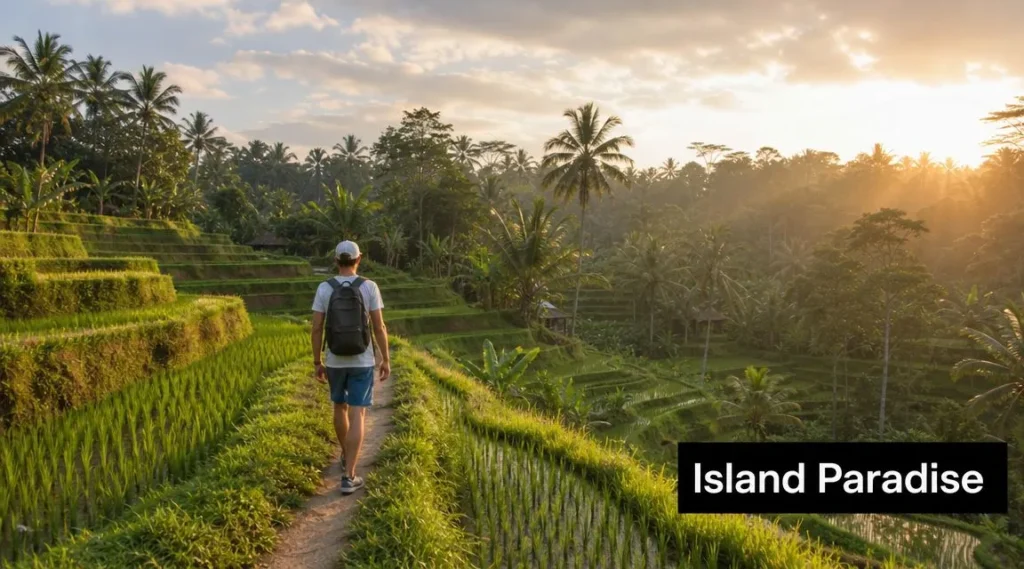
The strongest analytical case for Bali comes from luxury demand. Southeast Asia’s luxury travel market is projected at USD 91.6 billion in 2025 and USD 205.8 billion by 2034, with customized and private vacations holding 25% of the 2025 market according to IMARC Group. That matters because Bali is one of the clearest regional examples of a destination built for private villas, customized itineraries, and premium cultural add-ons.
Best fit traveler profiles
- Luxury seeker: Bali handles private stays, drivers, spa-led itineraries, and celebratory travel with unusual ease.
- Digital nomad: Canggu and Ubud combine lifestyle infrastructure with social density.
- Soft adventure traveler: You can add surfing, waterfall hikes, temple visits, or sunrise trekking without moving far.
Bali’s weakness is also clear. It’s not the best option if your top priority is avoiding crowds in established zones. In that case, the island works better when you choose your base carefully. Ubud favors culture and slower pacing. Seminyak leans polished and social. Canggu fits work-travel hybrids. Areas around Mount Batur suit travelers who want scenery and early starts.
What Bali does better than rivals
Bali turns fragmented interests into a coherent trip. One traveler can book yoga sessions in Ubud, another can surf in Canggu, and another can spend most of the trip in a villa without anyone feeling stranded in the wrong destination.
A quick visual overview helps if you’re deciding whether the island matches your travel style.
3. Hanoi, Vietnam
Hanoi is the choice for travelers who want friction to be part of the experience, not something fully designed away. The city feels layered rather than polished. Colonial façades, lakeside calm, dense street commerce, and a strong food culture all sit inside a capital that still feels lived-in before it feels staged.
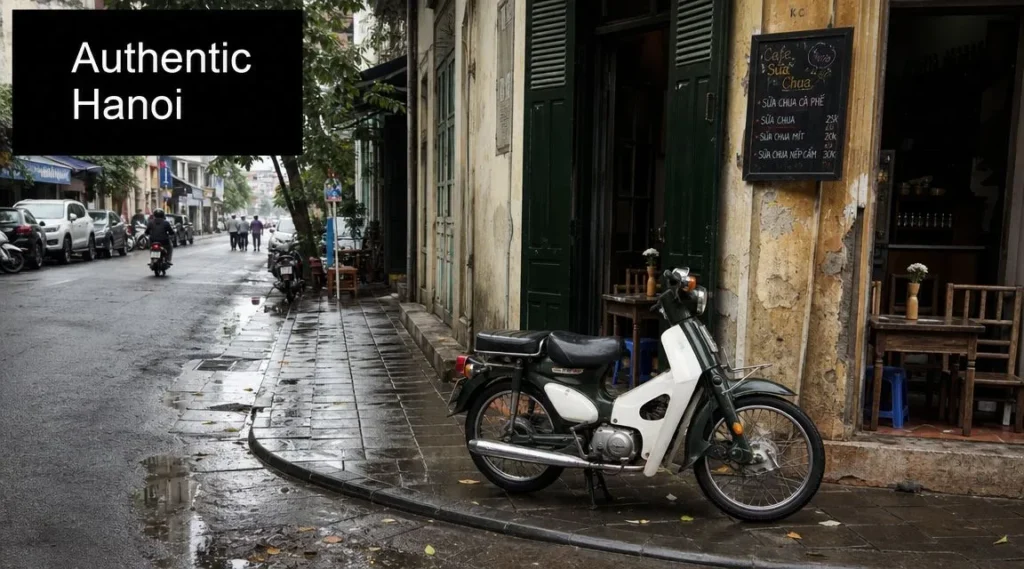
Hanoi also benefits from the region’s concentration of heritage centers. Travel guidance across Southeast Asia often points to how destinations such as Hanoi, Luang Prabang, and Penang complement modern gateways with older urban character, a major reason the region remains such a strong cultural travel cluster, as highlighted by Visit Southeast Asia’s regional tourism overview.
Best fit traveler profiles
- Cultural purist: Hanoi rewards curiosity about daily life, food traditions, and historic neighborhoods.
- History-focused traveler: Museums, memorial spaces, and architecture give context to modern Vietnam.
- Value-conscious city explorer: You can build full days around walking, eating, and short rides.
The Old Quarter works best if you accept that navigation is part of the experience. Hoan Kiem Lake gives the city a psychological center. Water puppetry offers a focused cultural stop without taking over the day. Markets and side streets are where Hanoi becomes memorable.
Some cities impress from a distance. Hanoi works best at street level.
For travelers who haven’t done much independent urban travel, a few fundamentals make a difference. Use metered taxis or Grab rides, keep your first day lightly scheduled, and read a few practical travel tips for beginners before you land. Hanoi is rewarding, but it isn’t a city that benefits from trying to over-control every hour.
4. Ho Chi Minh City, Vietnam
If Hanoi represents memory and texture, Ho Chi Minh City represents velocity. This is the Vietnamese city for travelers who prefer momentum, modern commerce, rooftop social life, and a more visibly forward-looking atmosphere. It’s also the better fit for people who like big cities but don’t want a trip built entirely around monuments.
District 1 gives most visitors their entry point through museums, colonial-era buildings, and major hotels. But the city improves once you move beyond that core. District 3, Binh Thanh, and food-focused areas in Districts 4 and 5 reveal a broader urban rhythm and a more contemporary local scene.
Who should choose Saigon
- Entrepreneur or creative professional: The city feels commercially alive, café-rich, and network-friendly.
- Nightlife-oriented traveler: It supports late evenings better than quieter cultural capitals.
- Repeat Southeast Asia visitor: Ho Chi Minh City often lands better on a second or third regional trip than on a first one.
The War Remnants Museum provides necessary historical grounding, but the city shouldn’t be read only through wartime memory. Its strongest draw now is how quickly it shifts registers. You can do history in the morning, café work in the afternoon, and modern dining or bars after dark without changing neighborhoods too dramatically.
Decision lens
Choose Ho Chi Minh City over Hanoi if you want a city that feels less ceremonial and more kinetic. It’s the better option for people who enjoy urban growth stories, mixed-use neighborhoods, and a faster social tempo. Use Grab, stay mobile, and don’t confine yourself to one district if you want the city’s full range.
5. Chiang Mai, Thailand
Chiang Mai remains one of the clearest examples of a destination that works because it narrows the promise. It doesn’t try to be Thailand’s most intense city or its top beach escape. Instead, it offers a slower cultural base with enough infrastructure for long stays and enough surrounding nature to keep the trip from feeling urban.
That balance makes Chiang Mai one of the strongest profile matches in the region. Travelers who want cafés, coworking, temple culture, mountain day trips, and a manageable street grid usually find it easier to settle into than Bangkok.
Best fit traveler profiles
- Digital nomad: Nimman and nearby café districts support work-life travel well.
- Mindful traveler: Meditation sessions, temple visits, and slower days feel natural here.
- Cultural generalist: You get food, markets, temples, and excursions without a high-stress pace.
The city’s split personality is useful. Old City fits travelers who want walkable heritage and traditional atmosphere. Nimman suits people who need modern cafés and social convenience. That means couples or friends with different priorities can often stay in one destination without compromise.
Where Chiang Mai wins
- Against Bangkok: Lower intensity and easier daily logistics.
- Against island destinations: More cultural depth for long stays.
- Against smaller heritage towns: Better day-to-day infrastructure.
Cooking classes, temple mornings, and trips toward Doi Suthep or Doi Inthanon create a practical rhythm. Chiang Mai works especially well for travelers who don’t want every day to be a headline day. It’s a destination for consistency, not sensory overload.
6. Penang, Malaysia
Penang is one of the most underrated answers to the overtourism problem in Southeast Asia. It has heritage, food credibility, walkable urban character, and enough infrastructure to feel easy, yet it usually enters planning later than Bangkok, Bali, or Singapore. That’s exactly why it deserves attention.
Recent destination coverage has pointed to growing interest in secondary options such as Penang and George Town for travelers who want access and infrastructure without relying on the region’s most crowded icons, a gap often missed by standard roundups, as noted in TravelLynn Family’s discussion of emerging Southeast Asia destination choices.
Why Penang works
George Town is the anchor. It combines heritage streets, temples, murals, shophouses, and a food culture that gives the destination an identity beyond sightseeing. Unlike some heritage cities best for a day trip, Penang can sustain a longer stay because daily life is part of the attraction.
- Cultural sampler: Penang suits travelers who want Chinese, Malay, Indian, and colonial influences in one place.
- Food-first traveler: Hawker culture gives structure to the trip without expensive planning.
- Crowd-aware traveler: It’s a strong substitute for bigger-name stops when you want a similar payoff with less tourism pressure.
Best use case
Penang works best for travelers who want a city-island hybrid, not a pure beach trip. Stay close enough to George Town to walk often, treat beaches as a side activity, and use the city’s layered heritage as the main event.
Analyst’s view: Penang is often the smartest pick for travelers who say they want “authenticity” but still want comfort, transit options, and a strong food scene.
7. Luang Prabang, Laos
Luang Prabang is the strongest counterpoint to the region’s faster capitals. It earns its place not by scale but by concentration. Temples, riverfront atmosphere, night markets, and preserved architecture create a destination that feels coherent from the moment you arrive.
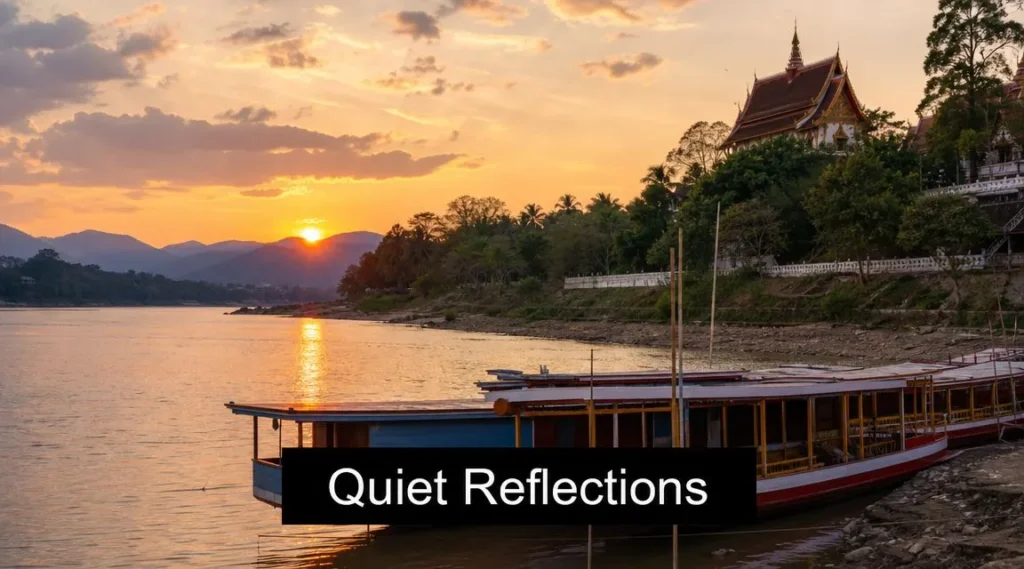
In regional travel planning, Luang Prabang often appears as the cultural counterweight to modern hubs like Singapore. That contrast is one reason it remains so important in Southeast Asia’s identity as a destination cluster built on both ancient and contemporary assets.
Best fit traveler profiles
- Cultural purist: This is one of the best destinations for travelers who prioritize atmosphere over checklist tourism.
- Slow traveler: Luang Prabang rewards unhurried mornings and lightly structured days.
- Couples traveler: The town’s scale and river setting support low-friction, high-ambience trips.
The alms-giving ceremony is one of the clearest examples of why traveler behavior matters. It’s meaningful, but only when approached respectfully and without turning it into spectacle. Wat Xieng Thong, the Night Bazaar, and Mekong boat excursions add variety without breaking the town’s calm.
What to expect
Luang Prabang is not where you go for nightlife, broad urban variety, or constant novelty. You go because it delivers something rarer in the region’s mainstream circuit: quiet consistency. Stay near the river if atmosphere matters most, and download offline maps before arrival if you prefer not to rely on constant connectivity.
8. Phuket, Thailand
Phuket belongs on this list because many travelers don’t need a hidden island. They need a reliable island. Phuket offers strong beach infrastructure, day-tour logistics, broad accommodation choice, and enough scale to accommodate mixed groups, families, and premium travelers without much friction.
That makes it one of the most practical beach entries among the best travel destinations in Southeast Asia. It isn’t the right answer for people chasing isolation, but it is often the right answer for people who want comfort, transport ease, and a lot of choice once they land.
Best fit traveler profiles
- Family traveler: Multiple beaches and resort types make matching age groups easier.
- Luxury seeker: Phuket supports villa stays, marina access, and polished service standards.
- Beach traveler with low tolerance for complexity: Transfers, tours, and services are straightforward compared with more remote islands.
Patong is the obvious hub, but not always the best base. Kamala and Karon are often more balanced choices if nightlife isn’t your central goal. Old Phuket Town adds some urban texture and helps prevent the trip from becoming beach-repeat-beach.
How to choose Phuket intelligently
- Stay by trip style: Patong for nightlife, Kamala for family pace, Karon for a middle ground.
- Book water activities carefully: Use certified dive operators and confirmed island-tour providers.
- Add one non-beach day: Old Phuket Town or the Big Buddha gives the trip better shape.
Travelers building a broader Thai route often pair Phuket with city or cultural stops, especially if they want contrast with inland destinations and globally recognized coastlines such as those featured among the most beautiful beaches in the world.
9. Da Nang, Vietnam
Da Nang is one of the smartest base-city choices in Southeast Asia because it solves a multi-stop problem. You get a real beach city, modern urban services, and access to nearby heritage excursions without having to relocate constantly. For travelers who want to combine relaxation with day trips, that’s a major operational advantage.
It also fits a broader regional trend. Climate variability and irregular weather patterns across parts of Southeast Asia have made month-by-month planning more important than generic destination rankings, and this is especially relevant when travelers are deciding between coastal cities, heritage towns, and monsoon-sensitive itineraries, as discussed in Travel Like Anna’s destination timing analysis.
Best fit traveler profiles
- Balanced itinerary traveler: Da Nang is ideal if your group wants both beach time and cultural excursions.
- Soft adventure traveler: Marble Mountains, coastal rides, and nearby nature keep the trip active.
- Efficiency-focused planner: One base can cover Da Nang itself, Hoi An, and other nearby sites.
My Khe Beach gives the city its immediate appeal, but Da Nang’s real strength is strategic location. You can spend mornings on the coast and shift to heritage visits later without long transfer days. That’s why it often beats staying directly in a more crowded heritage town for travelers who still want comfort and flexibility.
Best decision framework
Choose Da Nang over a pure beach destination if you want optionality. Choose it over a heritage-only base if your group has different priorities. It’s one of the few places in the region where “beach plus culture” feels logistically natural rather than forced.
10. Singapore
Singapore is the least ambiguous destination on this list. You choose it for precision. The city-state offers excellent transport, polished public space, multicultural neighborhoods, strong food courts, and one of the region’s clearest urban identities. It’s less about discovering travel chaos and more about moving through a system that works.
Singapore’s role in Southeast Asia also extends beyond tourism aesthetics. It sits within the region’s densest air network and serves as a major gateway, one reason multi-country trips through Southeast Asia can combine modern hubs with heritage centers so efficiently. For travelers who want a smooth entry point, that matters more than romantic notions of “roughing it.”
Best fit traveler profiles
- Business traveler extending a work trip: Easy to get around, easy to structure.
- Luxury traveler: High-end hotels, dining, and retail are obvious strengths.
- Short-break traveler: You can do a rewarding trip without heavy logistics.
Singapore also stands out as an outbound and intra-regional demand center. According to the European Travel Commission, Singapore, Malaysia, Indonesia, and Thailand together generated more than 40 million outbound departures and USD 53 billion in outbound travel expenditure in 2017. For destination analysts, that signals a region with strong short-haul and premium travel behavior. For travelers, the practical lesson is simpler. Singapore sits at the center of a very mature movement network.
How to use Singapore well
Skip the mistake of treating it as only Marina Bay. Pair headline attractions with Chinatown, Little India, and hawker centers. If you value ease, cleanliness, and time efficiency over bargain pricing, Singapore is one of the strongest urban choices in the region.
Top 10 Southeast Asia Destinations Comparison
| Destination | Ease of travel & logistics | Typical daily cost | Expected experience & outcomes | Ideal for | Key advantages |
|---|---|---|---|---|---|
| Bangkok, Thailand | Major international hub; excellent BTS/MRT but heavy traffic | $30–50 | Energetic urban mix: temples, street food, nightlife, shopping | Short-term visitors, foodies, city explorers | Affordable luxury, culinary excellence, strong connectivity |
| Bali, Indonesia | International flights to Denpasar; island transport (scooters/taxis) | $25–40 | Beach and rice-terace landscapes, wellness, creative communities | Digital nomads, wellness seekers, beach lovers | Strong creative/startup scene, yoga/wellness culture, scenic variety |
| Hanoi, Vietnam | Good regional access; chaotic streets and limited pedestrian infrastructure | $20–35 | Authentic street life, history, museums, affordable cuisine | Culture/history seekers, budget travelers | Very affordable, deep cultural authenticity, rich culinary traditions |
| Ho Chi Minh City (Saigon), Vietnam | Major airport, developed tourism services, widespread ride-hailing | $25–40 | Modern metropolis: nightlife, startups, culinary innovation | Entrepreneurs, urban travelers, foodies | Modern infrastructure, growing tech hub, vibrant food scene |
| Chiang Mai, Thailand | Regional flights available; compact city with good local transit | $15–25 | Laid-back cultural center: temples, trekking, coworking scene | Digital nomads, long-stay travelers, culture seekers | Very low cost of living, strong nomad community, authentic culture |
| Penang, Malaysia | Island airport; Georgetown is walkable with reliable internet | $25–35 | Multicultural heritage, street food, colonial architecture | Food and culture travelers, families | UNESCO heritage, exceptional culinary scene, multiculturalism |
| Luang Prabang, Laos | Limited flights; slower transport and fewer modern amenities | $15–25 | Tranquil, spiritual riverside town with temples and local crafts | Spiritual seekers, artists, slow-travelers | Unspoiled authenticity, peaceful atmosphere, affordability |
| Phuket, Thailand | Direct international flights; extensive tourist infrastructure | $35–50 | Resort beaches, water sports, island hopping, nightlife | Families, luxury travelers, beach tourists | Excellent beach infrastructure, wide activity range, reliable services |
| Da Nang, Vietnam | Growing international airport; easy day trips to Hoi An/My Son | $25–40 | Beach-focused city with access to nearby heritage and nature | Beach + culture travelers, value-conscious tourists | Proximity to UNESCO sites, good beaches, modern facilities |
| Singapore | World-class airport and public transit; extremely efficient | $60–100+ | Ultra-modern city-state: dining, shopping, safety, business services | Business travelers, luxury seekers, families seeking reliability | Top-tier infrastructure, safety, global connectivity, diverse dining |
From Inspiration to Itinerary: Planning Your Trip
The hardest part of planning Southeast Asia isn’t finding good options. It’s eliminating good options that don’t fit the trip you’re taking. A lot of travelers lose time by choosing based on fame rather than fit. Bangkok sounds obvious, so they book Bangkok, even though what they really wanted was Chiang Mai’s slower rhythm. Bali dominates social feeds, so they book Bali, even though Penang or Da Nang may better match their balance of food, culture, and lower crowd pressure.
A better approach is to choose by travel profile first.
If you want the strongest all-round gateway city, Bangkok is still the practical leader. If you want an island destination that can support luxury, wellness, work, and leisure in one place, Bali remains unusually versatile. If culture is your priority and you don’t mind some urban intensity, Hanoi gives more texture than polish. If you prefer energy, business momentum, and modern city rhythm, Ho Chi Minh City is the better fit.
For longer stays, Chiang Mai is still one of the easiest answers in the region because it balances cost consciousness, comfort, and lifestyle quality without making every day feel tourist-centered. For secondary-city value, Penang is one of the smartest picks on this list. It’s especially strong for travelers who say they want authenticity but still expect infrastructure, good food, and a manageable urban environment. Luang Prabang works for people who want the opposite of pace. It’s best when your goal is atmosphere rather than motion.
Beach planning needs the same honesty. Phuket is a better choice than many travelers admit because reliability matters. If your group includes different ages, different budgets, or different comfort thresholds, a destination with broad services often beats a more remote beach with weaker logistics. Da Nang solves a different problem. It gives you beach access plus nearby cultural range, which is why it’s such an efficient base. Singapore, finally, is the best regional choice when simplicity, cleanliness, and time efficiency outrank bargain hunting.
Timing matters more than many roundups admit. Shoulder seasons, heat, rainfall patterns, and holiday surges can change whether a destination feels smooth or frustrating. That’s one reason itinerary design should start with your travel window, not just your wish list. A destination isn’t just “good” or “bad.” It may be excellent for your travel style in one month and awkward in another.
One more decision rule helps. Don’t build every trip around icons alone. Southeast Asia’s appeal comes from landmark density, but trips become stronger when you combine one or two major names with one place that gives you breathing room. That might mean pairing Bangkok with Chiang Mai, Bali with a quieter inland base, or Singapore with Penang. The trip becomes easier to enjoy because not every stop is asking for maximum energy.
If you’re ready to move from inspiration to logistics, start with your traveler profile, then shortlist two or three destinations that suit it. After that, check seasonality, flight logic, and how much movement you want between stops. For a useful planning companion, Translate AI’s travel preparation guide is a good place to tighten pre-departure details before you book.
The best travel destinations in Southeast Asia aren’t “best” in the abstract. They’re best when the place, the season, and the traveler all line up.
If you enjoy structured travel analysis, destination comparisons, and approachable guides across tourism, culture, and more, explore maxijournal.com for more fresh articles and commentary.
Discover more from Maxi Journal
Subscribe to get the latest posts sent to your email.