metrica yandex pixel

Cat Health

Keep your feline companion thriving. Get expert cat health advice on preventative care, common symptom identification, and veterinary wellness tips.

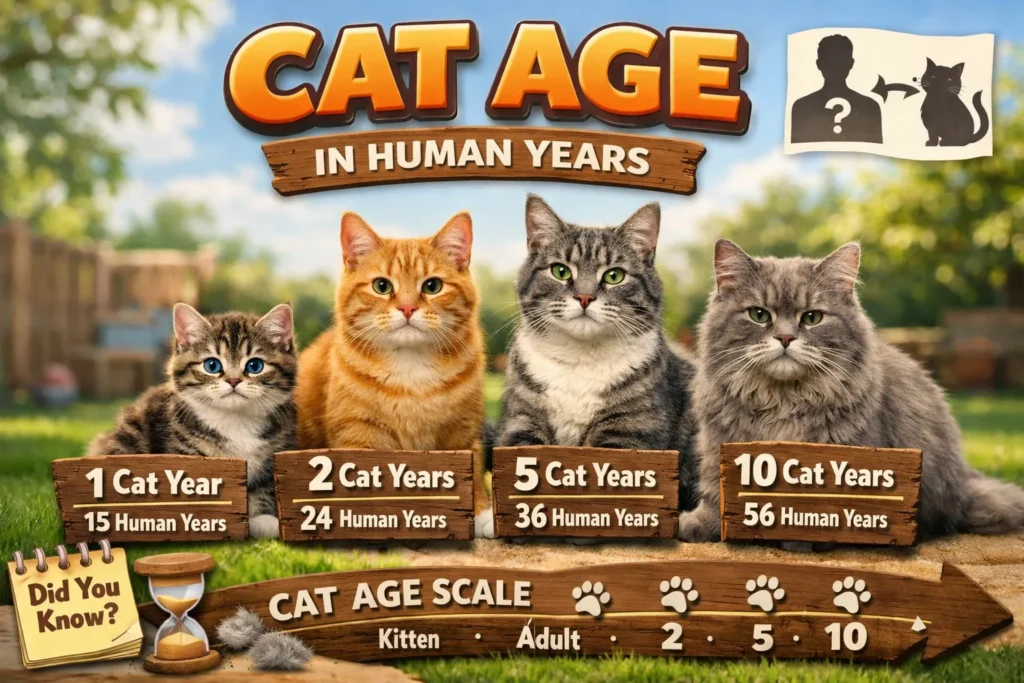
Four cats at different life stages with signs showing cat ages converted into human years in a colorful outdoor scene.
Pets

Cat Age in Human Years A Guide to Your Feline’s Life Stages

The traditional myth that one cat year equals seven human years is misleading. Instead, cats age rapidly in their first two years, equating to 24 human years, followed by a slower progression of four years per subsequent cat year. Understanding cat aging stages—kitten, junior, prime adult, mature adult, senior, and geriatric—helps owners provide tailored care throughout a cat’s life.

Three cute kittens with bowls and packages of food, with bold text “Finding the Best Kitten Food” on colorful background
Pets

Finding the Best Kitten Food for a Healthy Start

Bringing a new kitten home requires attention to their dietary needs, focusing on high-quality kitten food rich in protein, fats, vitamins, and minerals essential for their growth. Unlike adult cat food, kitten food supports rapid development, ensuring strong bones, cognitive function, and a robust immune system. Gradually transitioning to a new diet and establishing a consistent feeding schedule is crucial for their long-term health.

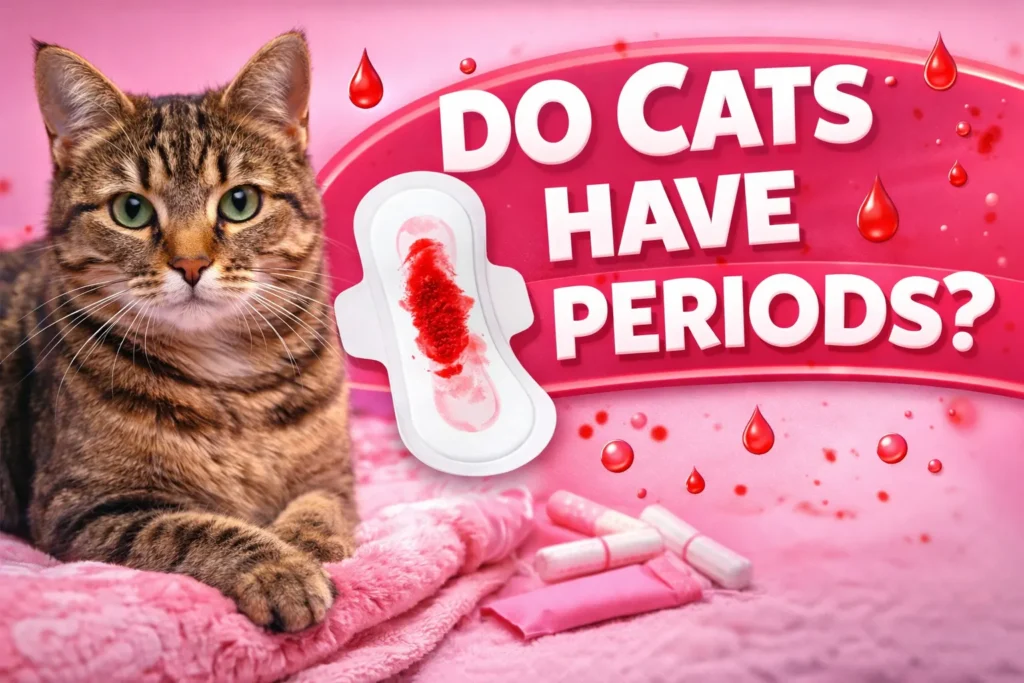
Tabby cat on pink blanket beside hygiene items and bold text “Do Cats Have Periods?” with red droplets on pink background
Pets

Do Cats Have Periods? Understanding the Feline Heat Cycle

Cats do not experience periods like humans. Instead, they have an estrous cycle, where females go into “heat” multiple times a year, driven by daylight. Cats are induced ovulators, releasing eggs only after mating, meaning there is no need to shed a uterine lining. Spaying is recommended to prevent health issues, behavioral changes, and the stress of heat cycles.

Cat next to bowls of Greek yogurt with good and bad icons, illustrating whether cats can safely eat yogurt.
Pets

Can Cats Eat Greek Yogurt? A Guide for Curious Owners

Cats can have a small lick of plain, unsweetened Greek yogurt, but it’s risky due to lactose intolerance, affecting roughly 70% of adult cats. Greek yogurt, despite its protein content, can harm their digestive system. A half-teaspoon is the maximum serving, and flavored types are dangerous. Safer treat alternatives include meats or cat-specific probiotic supplements that support health without causing harm.

Indoor cat food guide thumbnail showing cat, kibble bowl, food bags, and icons for protein, vitamins, and weight control.
Pets

Finding the Best Cat Food for Indoor Cats in 2026

Choosing the right food for indoor cats is vital for their health due to their unique sedentary lifestyle. A high-protein, low-calorie diet with fiber is essential to manage weight and hairballs. Understanding cat food labels helps in selecting quality nutrition focused on animal-based proteins. Hydration is also critical, favoring wet food for moisture. Consult a vet for any dietary concerns.

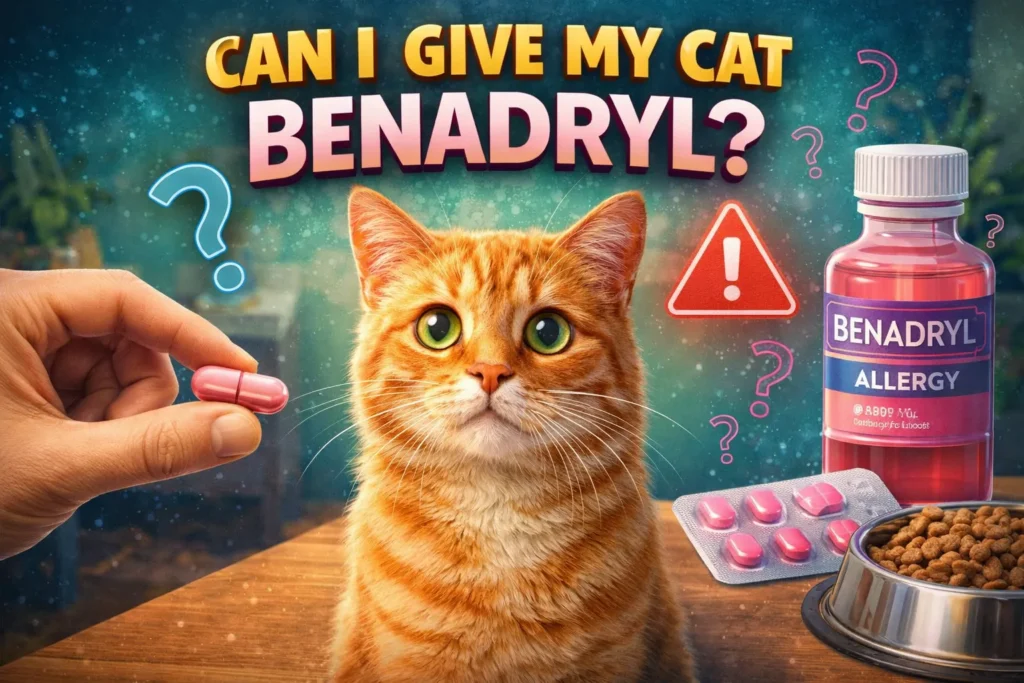
Cat looking at Benadryl pills in hand with warning icon, bottle, and pet food bowl illustrating safety of giving cats antihistamines.
Pets

Can I Give My Cat Benadryl? A Vet-Reviewed Safety Guide

The content emphasizes the risks of giving cats Benadryl without veterinary guidance. While veterinarians occasionally use diphenhydramine for specific conditions, such as mild allergic reactions, it’s crucial to consult a vet before administration. Cats metabolize medications differently, and incorrect dosing can lead to serious health issues. Safer, vet-approved alternatives are recommended for managing allergies and anxiety in pets.

Tabby cat looking at cooked salmon on cutting board with text “Can Cats Eat Salmon?” in kitchen setting.
Pets

Can Cats Eat Salmon? A Vet-Approved Guide for Owners

Cats can safely eat salmon as an occasional treat, provided it is fully cooked, plain, and boneless. Raw, smoked, or seasoned salmon poses risks such as harmful bacteria and thiaminase. Salmon is rich in omega-3 fatty acids, which benefit skin health, joint mobility, and brain function. Treats should be limited to 10% of a cat’s daily calories to maintain a balanced diet.

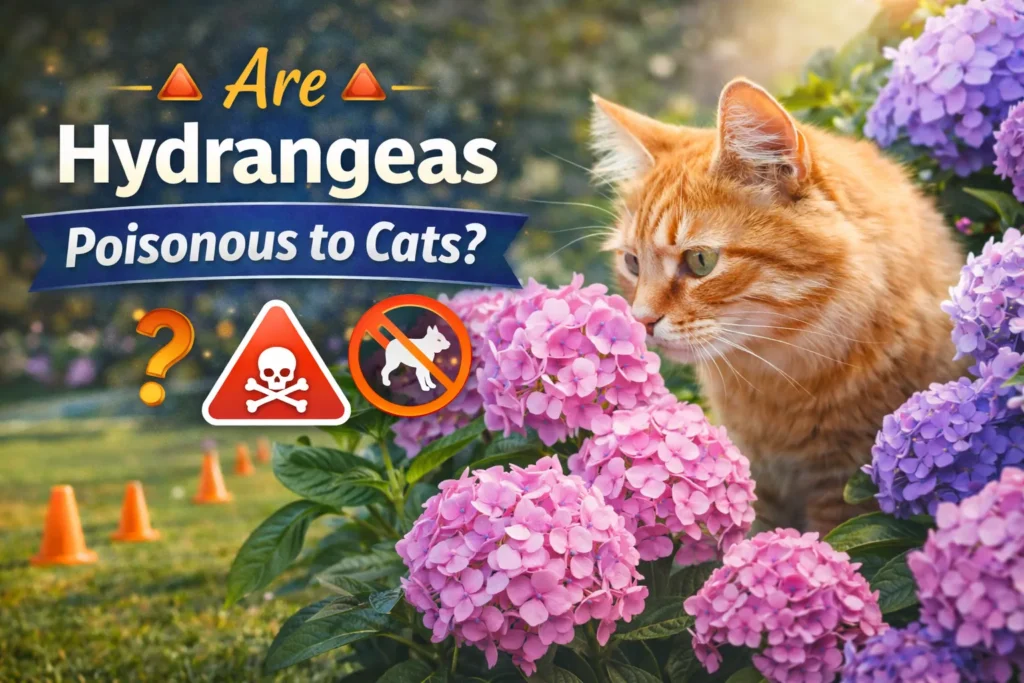
Orange cat sniffing pink hydrangea flowers in a garden with warning icons, thumbnail about whether hydrangeas are poisonous to cats.
Pets

Are Hydrangeas Poisonous to Cats? A Guide for Pet Owners

Hydrangeas are toxic to cats due to compounds called cyanogenic glycosides that can release cyanide when ingested. While serious outcomes are rare, even small amounts can cause stomach upset, vomiting, and lethargy. Cat owners should be vigilant, removing any hydrangea plants from their home and garden. Immediate veterinary assistance is essential if ingestion is suspected to ensure proper care and recovery.

Realistic cover image titled “A Pet Owner’s Guide to Coccidia in Cats” showing an orange tabby cat being examined, with visual highlights of symptoms such as diarrhea, weight loss, and lethargy, along with diagnosis through fecal exams, treatment options, and prevention tips.
Pets

A Pet Owner’s Guide to Coccidia in Cats

Coccidia is a microscopic parasite responsible for coccidiosis, primarily affecting kittens and immunocompromised cats. Unlike worms, coccidia invade the intestinal lining, leading to symptoms like severe diarrhea and dehydration. Cats contract the parasite through contaminated environments or prey. Maintaining hygiene is crucial to prevent infection. Diagnosis involves stool samples, and treatment typically includes a sulfa-based antibiotic along with supportive care for recovery.

Scroll to Top