Dreaming of a dog but dreading the sneezing, itchy eyes, and nonstop cleanup? That’s the spot a lot of people are in when they start searching for the best small hypoallergenic dogs. They want a companion that fits apartment life, family routines, and sensitive sinuses, without turning the house into a fur storm.
There is one important reality check up front. No dog is fully allergy-free. The American Academy of Allergy, Asthma & Immunology says there are no 100% hypoallergenic dogs, and about 10% of Americans show allergic sensitization to dogs. That matters because many buyers assume breed choice alone solves the problem, when it usually doesn’t.
What helps is choosing a lower-allergen dog, not chasing a perfect label. Small breeds often grouped into this category, including Maltese, Bichon Frise, Shih Tzu, Toy Poodle, Yorkshire Terrier, and Miniature Schnauzer, tend to shed less and spread less loose hair and dander on average. That can make daily life easier, especially if you also use smart home controls like regular bathing, hard flooring, and EcoQuest pet air purifiers.
Below are eight strong candidates, with the trade-offs that matter once the excitement of picking a breed wears off.
1. Maltese
If your priority is a close, cuddly lap dog with a soft look and low visible shedding, the Maltese is usually near the top of the list. This breed is tiny, portable, affectionate, and often works well in smaller homes where a calm companion matters more than rugged outdoor stamina.
The reason people keep recommending the Maltese is coat behavior, not magic. Modern breed guides consistently group Maltese with the core small lower-shedding breeds because hair-like coats spread less loose hair and dander than many heavier-shedding coats do, which is why the category became so popular in the first place, as explained in this overview of best hypoallergenic dogs.
At a glance
- Best for: Apartment dwellers, retirees, singles, quiet homes
- Watch out for: Coat matting, tear staining, clinginess
- Grooming cost: High
- Training difficulty: Moderate
- Daily upkeep: Brushing is practically mandatory if you keep the coat long
A real-world Maltese owner choice comes down to coat style. Long show-style hair looks elegant, but it demands discipline. A shorter puppy cut is far easier to maintain and usually the better choice for busy households.
Key insight: The Maltese works best for people who want a companion dog first and a “cute breed” second. If you skip grooming, the coat becomes the problem.
What works and what doesn’t
- What works: Daily brushing with a pin brush, frequent face cleaning, early socialization
- What doesn’t: Leaving the coat long without a routine, long stretches alone, rough handling by young kids
If you’re comparing similar breeds, the Maltese often feels softer and more delicate in personality than a terrier-type small dog. It’s usually happiest when someone is around often. Readers looking for more compact coat types can also compare it with other low-shedding dog options before deciding.
2. Poodle (Toy and Miniature)
Toy and Miniature Poodles are the most versatile picks on this list. They combine brains, athleticism, low visible shedding, and a coat that many allergy-sensitive households find easier to live with than a traditional shedding coat.
Early in the search process, many people assume the Poodle is “the safe choice.” That’s partly true, but only if they’re ready for maintenance.
Here’s the breed in context:
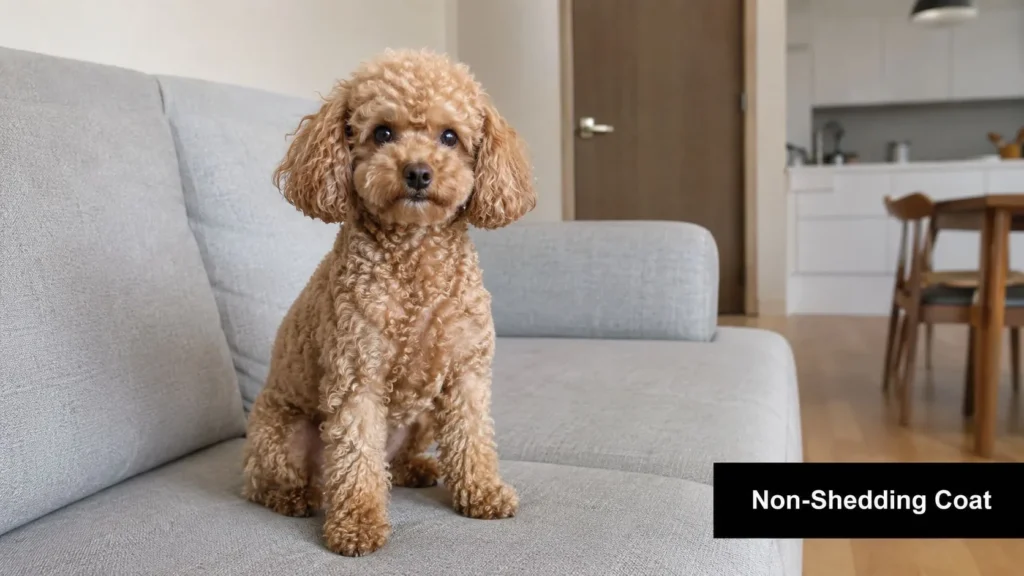
Across expert guidance, Toy Poodle is repeatedly listed among the strongest small lower-shedding options for allergy-sensitive households, alongside Bichon Frise, Shih Tzu, Havanese, Maltese, Miniature Schnauzer, and Yorkshire Terrier. That same guidance also stresses that no dog is allergen-free, so grooming and indoor allergen control still matter, as noted in this guide to dogs for allergy sufferers.
At a glance
- Best for: Active singles, families who want trainability, first-time owners willing to learn
- Watch out for: Boredom, overthinking, grooming expense
- Grooming cost: High
- Training difficulty: Easy to moderate
- Daily upkeep: Exercise and mental stimulation matter as much as coat care
Poodles tend to struggle when owners mistake intelligence for self-management. A bored Poodle invents its own projects, and owners usually don’t enjoy those projects.
For households with children, they’re often worth considering alongside other top dog breeds for families.
Practical ownership notes
- Use the right clip: A short pet trim is easier than maintaining a decorative style.
- Clean the ears weekly: Ear care is part of routine maintenance with this breed.
- Budget for grooming tools or appointments: Many owners eventually buy dedicated tools for poodle grooming.
Later in ownership, this matters even more:
A Poodle is a great fit for people who want a dog that learns quickly and likes doing things with them. It’s a poor fit for someone who wants a decorative lap dog with minimal upkeep.
Poodles reward structure. Give them training, movement, and a coat schedule, and they’re one of the most practical small lower-allergen breeds you can own.
3. Bichon Frise
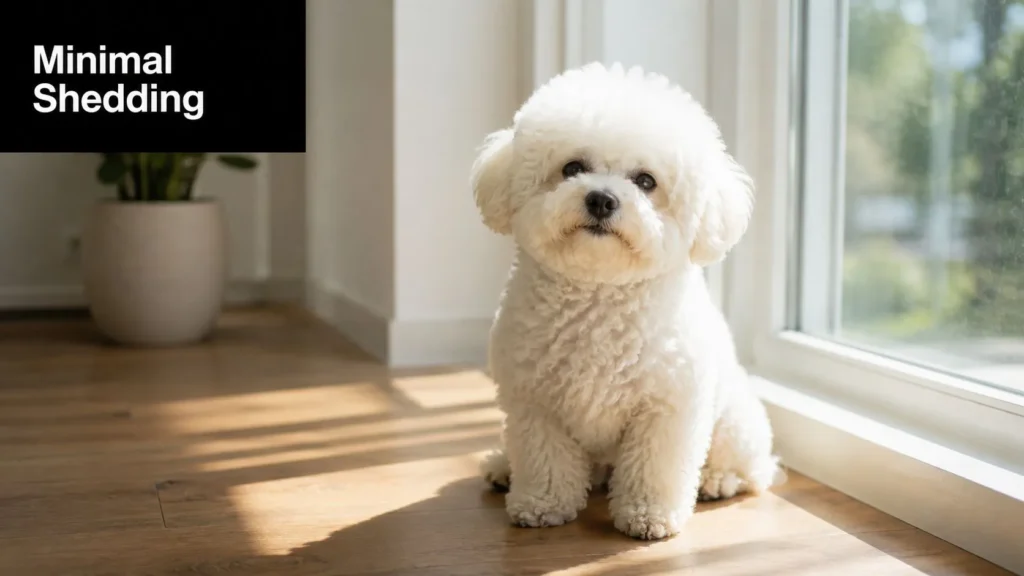
The Bichon Frise is one of the friendliest dogs on this list. If you want a cheerful small dog that usually greets visitors well and settles nicely into family life, the Bichon often feels easier to live with than a more suspicious or intense toy breed.
This is also one of the classic “best small hypoallergenic dogs” recommendations people see again and again. That repetition isn’t random. Mainstream breed-ranking content built around authoritative registration data has kept Toy Poodle, Bichon Frise, Maltese, Shih Tzu, Havanese, and Yorkshire Terrier at the center of demand for small lower-shedding breeds, as discussed in this article on hypoallergenic small dogs.
At a glance
- Best for: Families, sociable owners, apartment living
- Watch out for: Separation stress, coat upkeep, overexcitement
- Grooming cost: High
- Training difficulty: Moderate
- Daily upkeep: Frequent brushing and consistent manners training
The Bichon’s coat is plush and attractive, but it’s work. If owners stay on top of brushing and regular trims, the dog stays adorable. If they don’t, the coat mats quickly and collects debris.
Where the Bichon shines
- Social temperament: Usually a strong choice for people who want a friendly companion.
- Manageable size: Small enough for compact homes but often sturdier than very tiny toy breeds.
- Trainable attitude: Responds well to upbeat, reward-based training.
A common Bichon scenario is the family that wants a dog for a child but doesn’t want a breed that feels fragile or aloof. That’s where this breed can shine. Just don’t confuse cheerful with low-maintenance. Food quality, coat health, and routine care all matter, and many owners eventually start paying closer attention to guides on the best dog food brands recommended by vets.
Practical rule: If you want a Bichon, book grooming before you bring the dog home. Owners who wait until the coat is already tangled start behind.
4. Yorkshire Terrier
Yorkies appeal to people who want a tiny dog with real attitude. They’re compact, stylish, alert, and often strongly attached to their person. For allergy-conscious owners, the draw is the long, hair-like coat that sheds less visibly than many other small breeds.
That said, a Yorkie is not a miniature stuffed animal. This breed often behaves like a much larger dog and can become bossy, vocal, or defensive if the owner treats it like a purse accessory instead of a dog with training needs.
At a glance
- Best for: Adults, smaller households, owners who like a bold personality
- Watch out for: Barking, house-training challenges, delicate handling needs
- Grooming cost: Moderate to high
- Training difficulty: Moderate
- Daily upkeep: Coat care and dental care both need consistency
In practice, the best Yorkie homes are calm but structured. A retired couple, a solo owner working from home, or a tidy apartment household often does better with this breed than a loud house with unpredictable handling.
The real trade-off
- Long coat look: Beautiful, but labor-intensive
- Short trim: Much easier, but less dramatic
- Big personality: Entertaining, but can tip into territorial behavior if under-socialized
Yorkies often do best when owners start boundaries early. Teach polite greetings, reward quiet behavior, and don’t laugh off barking just because the dog is tiny. That habit gets old fast in apartments.
A Yorkie can be one of the best small hypoallergenic dogs for someone who wants a true companion with style and spark. It’s a weaker choice for families with very young kids who may handle the dog too roughly.
5. Shih Tzu
The Shih Tzu is a comfort dog. It wants to be near people, settle into home routines, and move through the day without a lot of drama. That makes it appealing to owners who want a friendly small companion but don’t want the intensity of a highly driven breed.
The breed also shows up constantly on lower-allergen lists. The American Kennel Club notes that there are no 100% hypoallergenic dogs, and that point matters with the Shih Tzu because people often focus only on shedding. Allergens come from dander, saliva, and urine proteins, not just loose hair, so grooming and cleaning habits still shape the practical experience.
At a glance
- Best for: Apartment life, calmer homes, owners wanting a companion breed
- Watch out for: Coat maintenance, heat sensitivity, stubborn streaks
- Grooming cost: High
- Training difficulty: Moderate
- Daily upkeep: Brushing, face cleaning, eye-area maintenance
A short “puppy cut” usually makes this breed much easier for average owners. Keeping the full flowing coat is possible, but it turns grooming into a significant part of weekly life.
What ownership looks like
- Good fit: Someone who wants a dog close by during the day
- Less ideal fit: Someone wanting a jogging partner or highly independent dog
- Best habit: Daily brushing before tangles tighten
Shih Tzus are often easier emotionally than terrier-type dogs. They’re usually more interested in companionship than in patrolling the house. If you like that soft, steady presence, this breed deserves a hard look. For more breed-specific background, this Shih Tzu breed spotlight offers a useful companion read.
The Shih Tzu is often the right answer for people who don’t want a “performer.” It’s a house companion first.
6. Miniature Schnauzer
The Miniature Schnauzer is the small lower-shedding breed I recommend when someone wants more dog than fluff. It’s sturdy, alert, expressive, and usually easier for active households that want engagement, not just cuddling.
The wiry coat is part of the appeal, but so is the temperament. Schnauzers tend to carry themselves with confidence. They notice everything. That can be useful if you want a watchdog, but it also means training matters.
At a glance
- Best for: Active homes, owners who want a confident small dog, people who prefer structure
- Watch out for: Barking, intensity, strong opinions
- Grooming cost: Moderate
- Training difficulty: Moderate
- Daily upkeep: Brushing, beard cleanup, regular exercise
The beard looks charming in photos. In real life, it catches water, food, and outdoor debris. Owners either accept that as part of the breed package or get tired of wiping faces several times a day.
Where it beats softer companion breeds
- More substantial feel: Better for households that want a sturdier small dog
- Sharper trainability: Usually likes having a job
- Distinct coat type: Low visible shedding, but regular clipping or hand-stripping is still needed
This is often the right breed for someone who finds a Maltese too delicate or a Shih Tzu too passive. It’s less ideal for people who want a quiet, go-with-the-flow lap dog. A Miniature Schnauzer likes participation and tends to let you know when something catches its attention.
7. Havanese
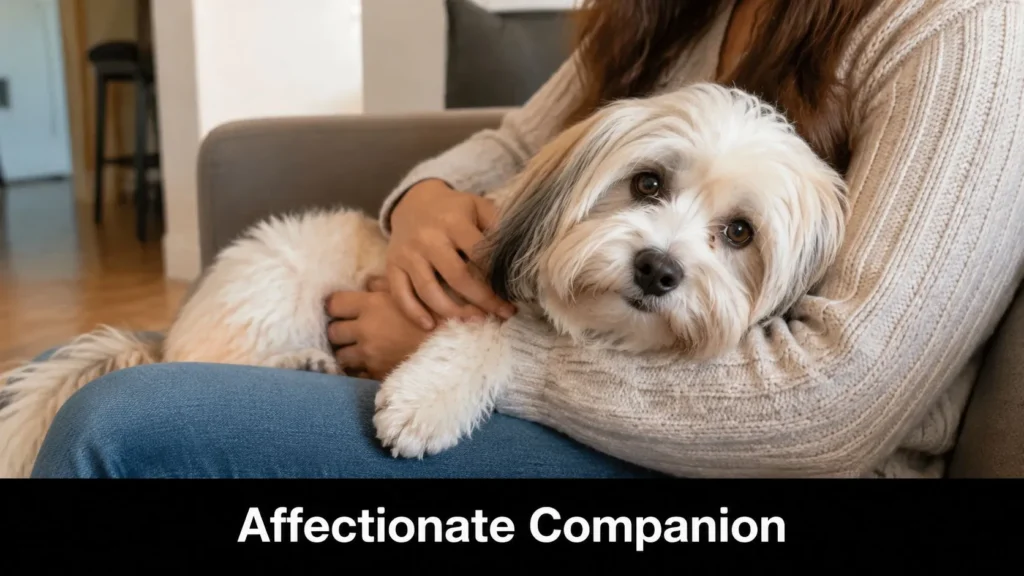
The Havanese is one of the most adaptable companion breeds in this group. It often works well for families, couples, and singles because it balances affection with a lighter, more social style than some clingier toy dogs.
For many households, the appeal is simple. The dog is small, soft in expression, usually eager to be with people, and less intimidating for first-time owners than a more intense terrier type.
At a glance
- Best for: Families, first-time owners, affectionate households
- Watch out for: Separation issues, coat tangles, overattachment
- Grooming cost: Moderate to high
- Training difficulty: Easy to moderate
- Daily upkeep: Brushing several times a week, social contact, basic training
Havanese often struggle when left alone too long. They tend to bond strongly and can become anxious if the household schedule changes suddenly or if no one invests in independence training early.
Best-case and worst-case ownership
- Best case: A home where someone is around often and enjoys interaction
- Worst case: Long workdays, little grooming, inconsistent rules
A Havanese can be an excellent “everyday companion” dog. It’s often playful without being overwhelming and affectionate without feeling fragile. If you want a small dog that can fit family life, guest visits, and apartment living with fewer drama points, this breed is a smart contender.
Some small breeds tolerate being in the background. The Havanese usually wants to be part of the conversation, the couch, and the routine.
8. Affenpinscher
The Affenpinscher is the wildcard on this list. It isn’t as commonly recommended as the Poodle, Bichon, or Maltese, but it can be a strong fit for the right person. If you like quirky dogs with confidence, comic expressions, and a bit of terrier spark, this breed stands out.
Its rough coat tends to shed minimally, and the smaller frame works well in compact homes. But this is not the easiest dog here. An Affenpinscher often has opinions, and inexperienced owners sometimes underestimate how much guidance that personality needs.
At a glance
- Best for: Experienced small-dog owners, quieter adult homes, people who want an unusual breed
- Watch out for: Stubbornness, social sharpness, limited availability
- Grooming cost: Moderate
- Training difficulty: Moderate to challenging
- Daily upkeep: Regular brushing, clear boundaries, careful socialization
The grooming burden is lighter than with a long-coated Maltese or Shih Tzu, but the training burden can be heavier. That’s the trade-off.
Who should choose this breed
- Choose it if: You want character, confidence, and a less common companion
- Skip it if: You want easygoing sociability or a highly predictable first dog
- Plan for: Thoughtful breeder selection or patient rescue screening
Affenpinschers often do best with owners who respect the dog’s independence without letting it run the house. That balance matters. Done well, they’re funny, loyal, and memorable. Done poorly, they become stubborn little managers of the entire household.
Top 8 Small Hypoallergenic Dogs Comparison
| Breed | Care complexity | Resource needs | Expected outcomes | Ideal use cases | Key advantages |
|---|---|---|---|---|---|
| Maltese | High, daily grooming and attention; easy training | Daily brushing, pro grooming every 6–8 weeks, dental care | Gentle, affectionate lap dog with minimal shedding | Apartments, allergy-prone households, owners home often | Hypoallergenic, compact, highly trainable |
| Poodle (Toy & Miniature) | High, frequent grooming and high mental stimulation | Pro grooming every 4–6 weeks, daily exercise/mental work, possible health costs | Intelligent, active, virtually non-shedding companion | Active owners, training/competition, allergy-conscious households | Extremely trainable, hypoallergenic, versatile |
| Bichon Frise | High, regular grooming and consistent training | Pro grooming every 4–6 weeks, daily play, moderate vet care | Cheerful, social companion with low shedding | Families, social homes, allergy sufferers who want playful dog | Friendly with kids/pets, hypoallergenic, adaptable |
| Yorkshire Terrier | High, extensive daily grooming and dental care; training can be challenging | Daily brushing, regular trims (4–8 wks), dental maintenance | Bold, portable companion with minimal shedding | Travelers, urban/apartment living, allergy-prone owners | Very portable, hypoallergenic, long lifespan |
| Shih Tzu | High, daily coat care and health monitoring (brachycephalic issues) | Daily brushing, pro grooming every 4–6 weeks, vet care for eyes/respiration | Affectionate, people-oriented companion with reduced dander | Companion-focused owners, apartments, families with gentle kids | Affectionate, adaptable, sturdy for a toy breed |
| Schnauzer (Miniature) | Moderate–High, regular stripping/trimming and firm training | Pro grooming every 6–8 weeks (hand-stripping ideal), regular exercise, diet monitoring | Alert, trainable watchdog with minimal shedding | Owners wanting a small watchdog, families, allergy-conscious homes | Intelligent, low-shedding, robust health |
| Havanese | Moderate, regular brushing and socialization to avoid separation anxiety | Brushing several times weekly, pro grooming every 4–6 weeks, mental stimulation | Loyal, affectionate companion with low allergen production | Owners home often, families, allergy sufferers wanting affectionate dog | Extremely affectionate, adaptable, hypoallergenic |
| Affenpinscher | Moderate, periodic grooming and patient training for independent temperament | Grooming every 3–4 months, careful breeder sourcing, vet screening for heart/patella | Spirited, confident companion with minimal shedding | Experienced owners seeking a unique, spirited apartment dog | Distinctive personality, hypoallergenic, sturdy small breed |
How to Choose Your Perfect Companion
Choosing from the best small hypoallergenic dogs comes down to lifestyle more than appearance. A breed that looks ideal on a list can become a poor fit if your schedule, tolerance for grooming, or household energy doesn’t match what the dog needs every day.
Start with grooming honesty. Low-shedding almost never means low-maintenance. Poodles, Maltese, Bichons, and Shih Tzus can be wonderful for allergy-sensitive homes, but they ask for regular brushing, bathing, clipping, and coat monitoring. If you know you won’t keep up, a shorter practical trim is better than chasing a glamorous look you can’t maintain.
Then think about household rhythm. A Havanese or Maltese may be lovely in a home where someone is present most of the time. A Miniature Schnauzer or Poodle often suits people who want more activity and engagement. A Yorkie or Affenpinscher can work well for adults who enjoy personality and don’t mind a dog with opinions.
Breed choice alone also won’t control symptoms. Some supposedly hypoallergenic breeds have been measured with allergen levels equal to or higher than non-hypoallergenic breeds, which is why the label itself is a simplification rather than a guarantee, as the American Academy of Allergy, Asthma & Immunology explains earlier in the article. The practical takeaway is simple. Pick a lower-shedding breed, then manage the home well.
A few habits make a real difference:
- Meet the specific dog first: Individual reactions vary, even within the same breed.
- Keep grooming consistent: A neglected coat traps debris, saliva residue, and dander.
- Control the indoor environment: Hard flooring, frequent washing of bedding, and air filtration help.
- Set expectations early: Small dogs still need training, boundaries, and socialization.
Adoption is worth checking before you commit to a breeder. Breed-specific rescues often have adult dogs whose size, temperament, and coat type are easier to assess than a young puppy’s future development. If you do go through a breeder, look for one who invites questions, discusses health openly, and cares where the dog is going. Avoid anyone rushing the sale or avoiding basic transparency.
The right dog on this list won’t be the one with the prettiest coat or strongest marketing. It’ll be the one whose grooming needs, temperament, and daily rhythm fit your life closely enough that you can maintain the dog well and keep allergen exposure lower over time.
If you enjoy practical, no-fluff breed guides like this one, visit maxijournal.com for more approachable writing on pets, health, science, lifestyle, and everyday decision-making.
Discover more from Maxi Journal
Subscribe to get the latest posts sent to your email.