Pets

A dedicated space for animal lovers and responsible pet owners. Discover essential advice on pet health, behavior training, and sustainable pet care, alongside the latest products and tips for building a stronger bond with your furry, feathered, or scaled companions.

Realistic cover image titled “Can Dogs Eat Cranberries?” showing a golden retriever beside a wooden bowl of fresh cranberries, with highlighted sections on health benefits like antioxidants, feeding tips in moderation, potential risks such as upset stomach, and safe options including fresh or unsweetened cranberries.
Pets

Can Dogs Eat Cranberries? A Vet-Approved Guide

Dogs can safely eat plain, unsweetened cranberries in moderation, as these berries provide health benefits, including antioxidants that support urinary tract health. However, processed products like cranberry sauce and juice pose risks due to added sugars and toxic ingredients. Proper serving sizes vary by dog weight, with smaller dogs needing fewer cranberries to avoid digestive issues. Always consult a vet if an active infection is suspected.
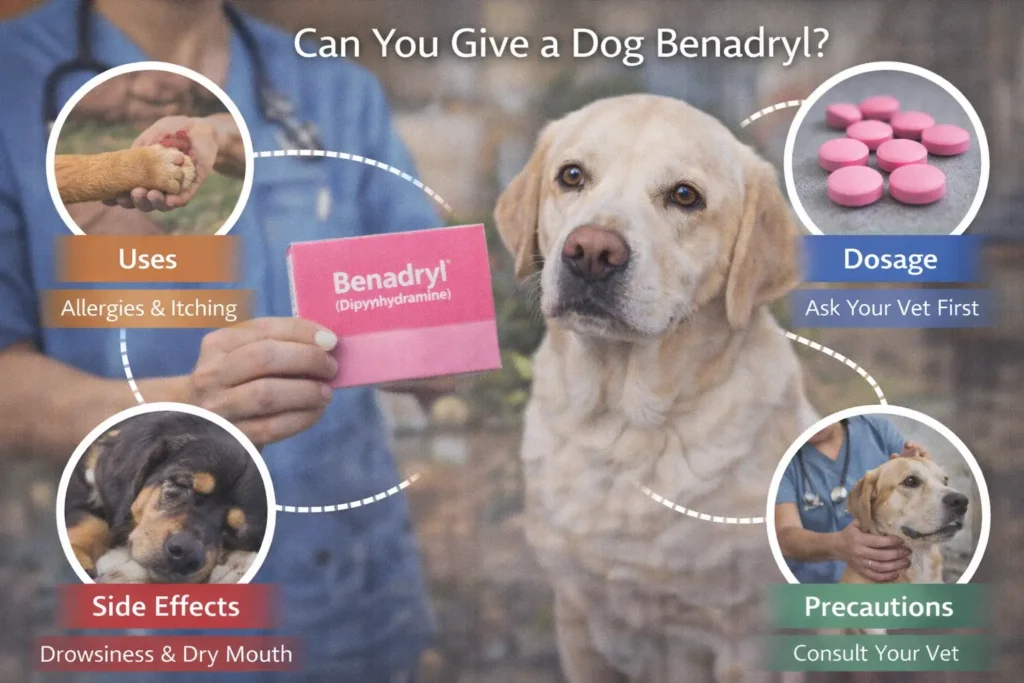

Realistic cover image titled “Can You Give a Dog Benadryl?” showing a veterinarian holding a Benadryl (diphenhydramine) box beside a Labrador retriever, with highlighted sections for uses such as allergies and itching, dosage guidance to ask a vet first, potential side effects like drowsiness, and precautions to consult a veterinarian.
Pets

Understanding can you give a dog benadryl: dosing, safety, and guidelines

Benadryl can be given to dogs for mild allergic reactions or motion sickness, but it should only be administered under veterinary guidance. Correct dosage and formulation are critical to prevent serious health risks. Common side effects include drowsiness and dry mouth, while severe reactions may occur in dogs with specific health issues. Always consult your vet before use for safety.

How to Train Your Dog cover image showing woman teaching golden retriever to sit with treats, man training Australian shepherd in park, obedience checklist, agility cones, and positive reinforcement symbols.
Pets

How to Train Your Dog A Practical Guide for Pet Parents

Training your dog hinges on clear communication and positive reinforcement, fostering a trusting bond rather than dominance. Employing techniques like high-value treats and clicker training, you’ll encourage desired behaviors while reducing aggression. Consistent, short training sessions integrated into daily routines build habits effectively. Addressing unwanted behaviors by understanding their causes and maintaining family-wide consistency ensures a happier, well-behaved dog.

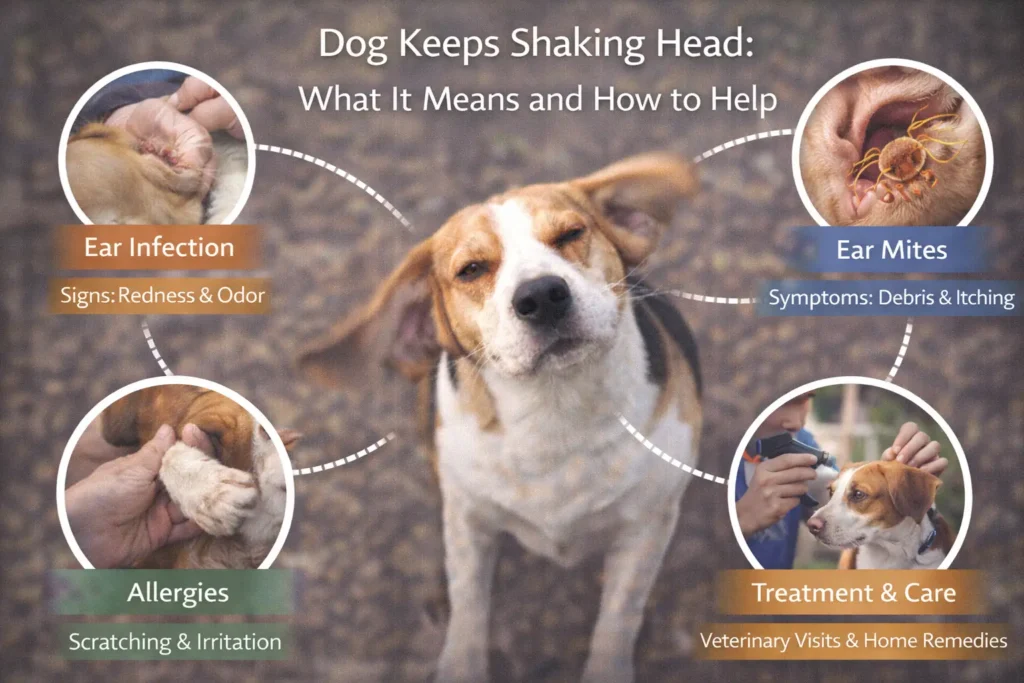
Realistic cover image titled “Dog Keeps Shaking Head: What It Means and How to Help” showing a beagle shaking its head, with visual highlights of common causes such as ear infections, ear mites, allergies, and treatment and care options including veterinary visits and home remedies.
Pets

Dog Keeps Shaking Head: What It Means and How to Help

Repeated head shaking in dogs often signals discomfort, typically linked to issues in or around their ears. Common culprits include ear infections, ear mites, allergies, or foreign objects lodged in the ear canal. Dogs communicate their distress through head shaking, requiring vigilant observation and potential veterinary intervention. Understanding the underlying causes and conducting regular ear care can help prevent and address these problems effectively.

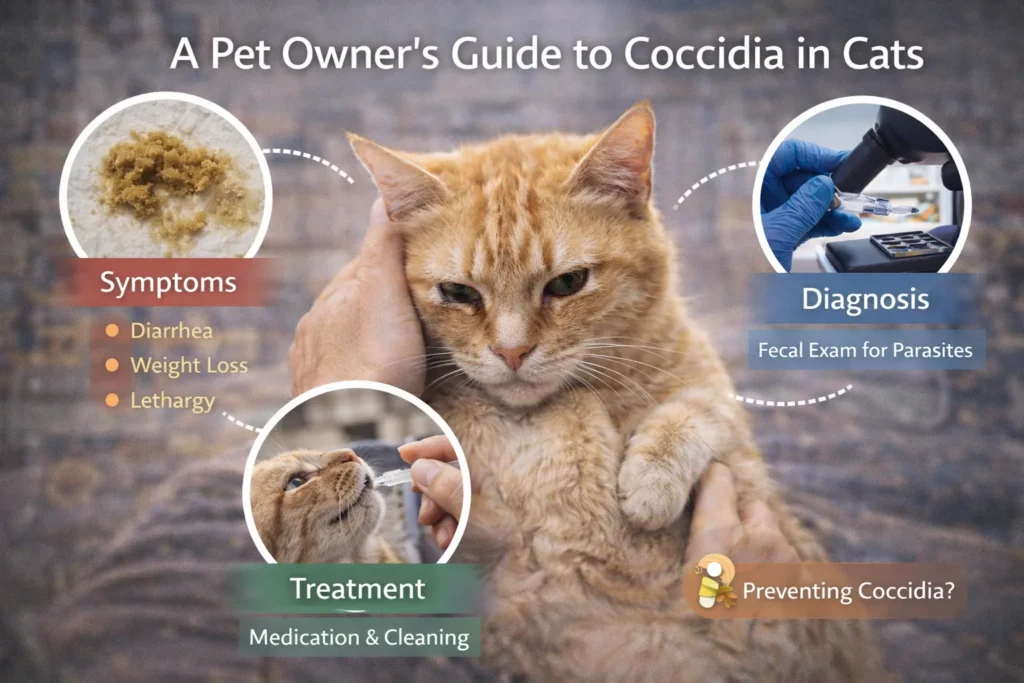
Realistic cover image titled “A Pet Owner’s Guide to Coccidia in Cats” showing an orange tabby cat being examined, with visual highlights of symptoms such as diarrhea, weight loss, and lethargy, along with diagnosis through fecal exams, treatment options, and prevention tips.
Pets

A Pet Owner’s Guide to Coccidia in Cats

Coccidia is a microscopic parasite responsible for coccidiosis, primarily affecting kittens and immunocompromised cats. Unlike worms, coccidia invade the intestinal lining, leading to symptoms like severe diarrhea and dehydration. Cats contract the parasite through contaminated environments or prey. Maintaining hygiene is crucial to prevent infection. Diagnosis involves stool samples, and treatment typically includes a sulfa-based antibiotic along with supportive care for recovery.

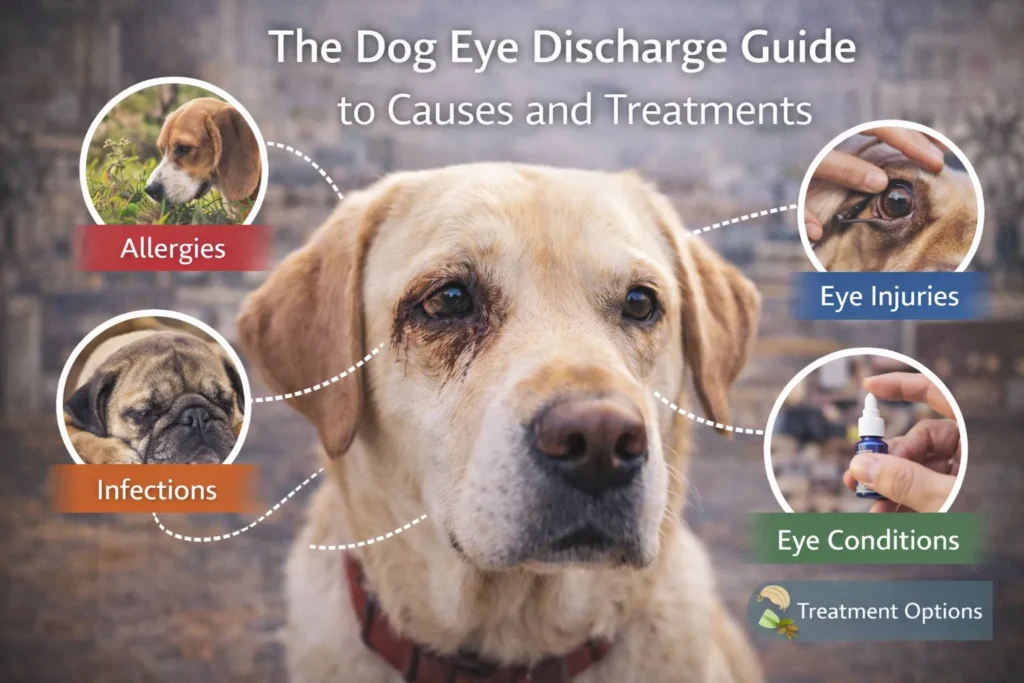
Realistic cover image titled “The Dog Eye Discharge Guide to Causes and Treatments” showing a close-up of a Labrador retriever with visible eye discharge, alongside visual highlights of common causes such as allergies, infections, eye injuries, eye conditions, and treatment options.
Pets

Dog Eye Discharge: The dog eye discharge Guide to Causes and Treatments

A small amount of eye discharge in dogs is typically normal, akin to “sleep” in human eyes. However, any significant changes in color, consistency, or amount can signal health issues, ranging from allergies to infections or anatomical problems. Regular monitoring and early veterinary consultation are crucial to prevent worsening conditions and ensure your dog’s eye health remains optimal.

Realistic cover image titled “Your Guide to Understanding Dog Training Cost” showing a Labrador puppy being rewarded with a treat, alongside visuals of group classes, private lessons, board and train programs, and cost ranges to explain dog training pricing factors.
Pets

Your Guide to Understanding Dog Training Cost

Considering professional dog training? This guide helps navigate the costs, which can range from $50 for group classes to over $2,500 for board-and-train programs. It emphasizes the value of investing in quality training for a stronger bond with your dog and a happier home life while providing options from group classes to private sessions, including tips for saving money and essential gear.

Scroll to Top