A dog who suddenly empties the water bowl, stares at the tap, or follows you into the kitchen can make an ordinary evening feel alarming. You may be wondering, “Why is my dog drinking so much water?” The change could reflect heat, exercise, food, or medication, but persistent thirst can also point to a health problem.
The most useful response isn’t panic or removing the bowl. It’s careful observation. Measure what your dog drinks, record changes in urination and appetite, and share that information with your veterinarian. A reliable record can turn a vague concern into a much clearer clinical picture.
Recognizing the Signs of Excessive Thirst
Maya, a golden retriever, had always enjoyed a long drink after her walk. Her owner became concerned when the bowl was empty several times before bedtime, Maya began waiting beside the kitchen sink, and she started asking to go outside more often. None of those signs alone proved illness, but together they showed a meaningful change from her normal routine.
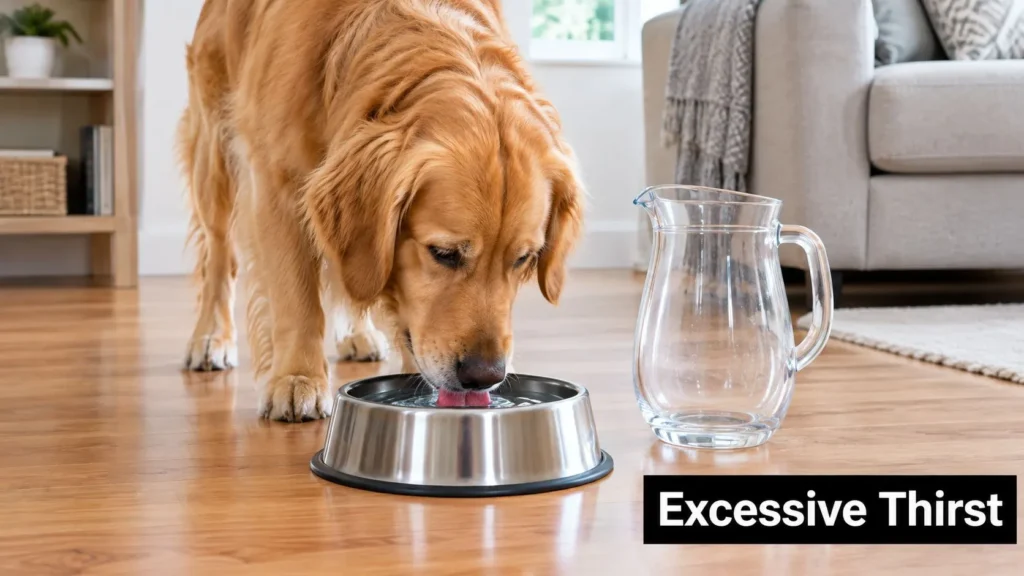
Polydipsia is the veterinary term for excessive drinking. Veterinary references commonly classify persistent water intake above 100 milliliters per kilogram of body weight per day as polydipsia, although that threshold is a screening guide rather than a diagnosis. A dog can temporarily drink more after strenuous activity, hot weather, panting, vomiting, diarrhea, or eating dry food. You can review related clues in this guide to understanding dog body language, especially if your dog’s behavior has changed alongside the drinking.
What owners usually notice first
The important clue is often not a single large drink. It’s a sustained shift in daily behavior. Look for:
- Faster bowl turnover: Water disappears sooner than it normally does.
- Persistent searching: Your dog seeks sinks, puddles, toilets, or other water sources.
- More urine: Larger puddles, more frequent requests to go outside, or new accidents may appear.
- Body changes: Weight loss, unusual tiredness, vomiting, altered appetite, or increased panting add urgency.
- A different pattern: Drinking remains high even on quiet days when heat and exercise don’t explain it.
A healthy dog may drink eagerly and then return to normal. A dog with a thirst problem often seems driven to keep drinking, while the body continues losing water through increased urination. That combination deserves measurement and, if it persists, veterinary assessment.
How to Measure Your Dog’s Actual Water Intake
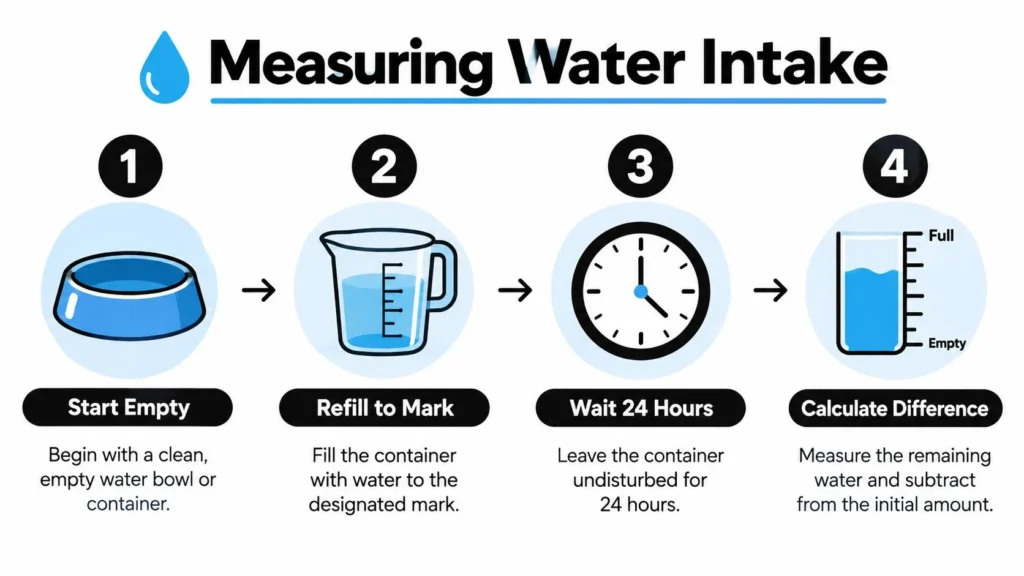
Counting visits to the bowl isn’t accurate. Dogs may drink tiny amounts when you’re not watching, spill water while playing, share a bowl with another pet, or receive moisture through food and ice. The practical solution is a short home measurement period.
Start with one controlled bowl
Use one bowl for the dog being monitored, if possible. Begin with a measured amount of water, write it down, and use the same measuring jug whenever you refill it. At the end of the observation period, measure what remains and account for water that was added during the day.
A simple calculation is:
Water consumed = water initially provided + refills – water remaining
Don’t treat the result as exact if the bowl was knocked over. Record the spill instead and restart the measurement if you need a cleaner result. For households with multiple pets, separate the dog during drinking periods or arrange a temporary individual bowl.
Keep a useful log
Record the total for two or three days, rather than relying on one unusual afternoon. Include:
- Body weight: Your veterinarian can interpret the intake in relation to size.
- Food and treats: Note whether meals are dry, wet, or recently changed.
- Activity and weather: Write down walks, running, heat, humidity, and noticeable panting.
- Urination: Track frequency, accidents, unusually large amounts, straining, or difficulty passing urine.
- Other symptoms: Add appetite, energy, vomiting, diarrhea, weight change, and medication names.
- Water sources: Include ice, water mixed into food, outdoor bowls, and any access to puddles or toilets.
A 2025 canine hydration study reported that diet composition was the strongest contributor to water intake, with dogs eating dry food consuming about 21.5 mL/kg/day more than dogs whose diets included wet food. That study’s findings reinforce why a food change can matter when you interpret the log.
Don’t restrict water while collecting information. The record should show your dog’s natural intake, not the amount available after access has been limited.
If the concern began after a long walk or active outing, a practical guide to exercise hydration for dogs can help you think about activity and panting alongside the water record.
Understanding the Medical Causes of Polydipsia
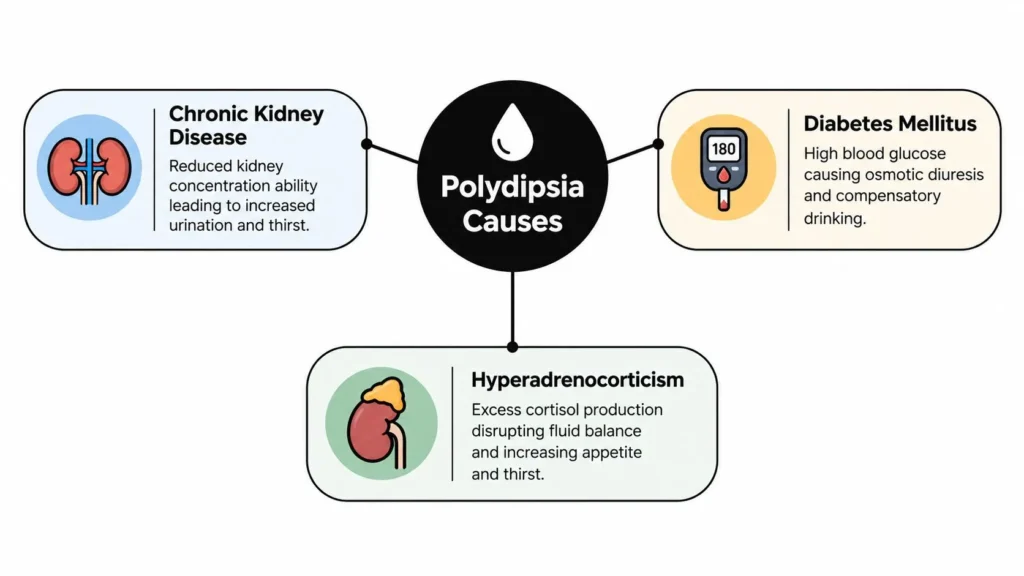
Thirst is usually not the disease itself. It’s often the body’s attempt to replace water lost through unusually dilute or abundant urine. Veterinary clinicians describe this as a compensatory process, and the leading medical causes include chronic kidney disease, diabetes mellitus, and hyperadrenocorticism, also known as Cushing’s disease. The mechanism is outlined in this veterinary review of polyuria and polydipsia.
The main patterns veterinarians investigate
Chronic kidney disease: Think of the kidneys as a filtration system that also decides how much water should return to the bloodstream. When the kidneys lose some of their concentrating ability, the dog may produce more dilute urine. Drinking increases because the body is trying to replace that loss. Weight loss, reduced energy, appetite changes, vomiting, or a clear increase in urination can make this possibility more concerning.
Diabetes mellitus: In diabetes, blood glucose can rise beyond what the kidneys can reabsorb. Glucose then enters the urine and draws water with it through an osmotic effect. The dog loses more fluid, urinates more, and becomes thirstier. Increased drinking may occur with weight loss, altered appetite, or reduced energy.
Cushing’s disease: Hyperadrenocorticism involves excessive cortisol production. Cortisol affects several body systems, including fluid balance, and dogs may develop increased drinking and urination. Owners may also notice increased appetite, panting, coat changes, or a gradual change in body shape, but these signs aren’t specific enough to identify the condition at home.
Other possibilities belong in the history
A veterinarian may also consider medication effects, liver-related disease, infection, electrolyte disturbances, or less common disorders involving the hormones that regulate water conservation. The correct cause can’t be selected from a symptom list because several conditions create the same outward pattern.
Your log helps separate a brief response to circumstances from a persistent physiological problem. The combination of measured intake, urine changes, food, medication, appetite, weight, and energy gives the clinician a much stronger starting point than the question, “How many times did my dog drink?”
The key question isn’t only how much your dog drinks. It’s how much water the body is losing, and why.
Differentiating Behavioral Causes from Illness
A dog may begin drinking more after a move, a new household routine, separation, loud noise, or another stressful change. That pattern can point toward a behavioral or environmental influence, but it cannot establish the cause by itself.
Primary polydipsia, sometimes called psychogenic polydipsia, is a condition in which altered thirst regulation drives excessive drinking without an underlying disorder causing excess urine production. Anxiety, compulsive behavior, neurologic factors, or changes in the environment may contribute. The useful question is whether increased drinking follows those circumstances, persists during calm periods, or appears alongside other health changes.
Behavioral explanations require careful testing because illness can also make a dog restless, thirsty, and focused on the water bowl. Record intake, urination, appetite, energy, weight, medication changes, and daily conditions before drawing conclusions.
Why diagnosis can be difficult
Primary polydipsia is a diagnosis of exclusion. A veterinarian reviews the history, examines the dog, and uses urine and blood results to investigate physical causes first. Diet and medications also belong in that review.
High water intake can alter the results. As described in this review of psychogenic polydipsia in dogs, drinking heavily can wash out the kidney’s medullary concentration gradient. The urine may then become very dilute, making a water-conservation disorder harder to distinguish from behavioral drinking.
Clues worth recording
Look for repeated patterns rather than trying to diagnose the cause:
- Drinking rises after a move, household change, separation, noise, or altered routine.
- Anxiety, repetitive licking, restlessness, or other compulsive behaviors appear at the same time.
- Weight, appetite, energy, urination, and general health remain otherwise unchanged.
- Thirst begins after a medication change, including glucocorticoids, phenobarbital, or diuretics.
- Drinking stays high on both calm and active days.
Never test the theory by removing the water bowl. A dog losing fluid through urine may become dangerously dehydrated, and water-deprivation testing belongs under veterinary supervision. Bring the behavioral notes and intake log together, since environmental triggers and physical illness can occur at the same time.
What to Expect at the Veterinary Clinic
A veterinary visit for excessive drinking usually begins with questions, not a dramatic procedure. Bring your measured water record, food details, medication list, and notes about urination, appetite, weight, panting, vomiting, energy, and recent routine changes.
The veterinarian will perform a physical examination and assess your dog’s overall condition. The next tests are chosen to answer specific questions:
- Urinalysis: This can reveal glucose, signs of infection, protein, blood, and how dilute or concentrated the urine is.
- Urine specific gravity: This helps show whether the kidneys are concentrating urine appropriately.
- Blood glucose: This supports investigation of diabetes mellitus.
- Kidney values and electrolytes: These help identify problems involving filtration, fluid balance, and mineral levels.
- Liver-related tests: These can point toward liver involvement or support investigation of hormonal disease.
- Additional hormone testing: The veterinarian may recommend this when the history and initial results suggest Cushing’s disease or another endocrine disorder.
You may also be asked about dry or wet food, salty treats, exercise, weather, supplements, and every prescription your dog receives. A medication that seems unrelated may still affect thirst or urination, so don’t leave out occasional or as-needed treatments.
Bring the numbers, but bring the context too. A water log without diet, activity, and urine observations is only part of the story.
The testing plan depends on the first findings. Some dogs need repeat urine or blood testing, while others may need imaging or more focused endocrine investigation. You can also plan ahead for general pet-care expenses by reviewing information about dog shots cost, but ask your own clinic for a current estimate of the tests recommended for your dog.
Until the appointment, keep meals and routines as consistent as practical, provide fresh water, and avoid introducing supplements or major diet changes unless your veterinarian advises them. If the measured increase continues, call the clinic rather than waiting for additional symptoms.
Immediate Home Care and When to Seek Emergency Help
Keep fresh water available. Never restrict drinking to make the bowl last longer or to “test” whether your dog is really thirsty. If the body is losing excess water through urine, limiting access can worsen dehydration and interfere with the very pattern your veterinarian needs to evaluate.
Call your veterinary clinic promptly when increased drinking persists, especially if urination has also increased or your dog has lost weight, become lethargic, vomited, stopped eating, or developed accidents. Seek urgent care for collapse, marked weakness, confusion, severe vomiting or diarrhea, inability to keep water down, suspected toxin exposure, heat stress, or straining to pass little or no urine.
For a quick reference while deciding where to go, keep reliable emergency vet info from Global Pet Sitter accessible. If breathing changes are also present, don’t delay because the water issue seems like the main concern. Signs such as wheezing deserve their own prompt assessment, as explained in this guide to why your dog may be wheezing.
Start measuring tonight if your dog is otherwise stable, write down the surrounding circumstances, and contact your veterinarian if the pattern continues. If red flags appear, skip home monitoring and seek emergency care immediately.
Maxijournal.com publishes approachable guidance across pets, health, science, and other everyday subjects, helping readers make sense of questions before they speak with a professional. Visit maxijournal.com for clear, practical articles and fresh independent writing.
Discover more from Maxi Journal
Subscribe to get the latest posts sent to your email.